Hit enter to search or ESC to close
The global demand for robust and efficient fencing solutions has fueled significant advancements in chicken wire mesh making machine technology. This isn't simply about agricultural containment anymore; chicken wire mesh plays a vital role in security, construction, industrial safety, and increasingly, humanitarian aid. Understanding the capabilities and innovations within this machinery is crucial for businesses and organizations aiming to meet evolving needs across diverse sectors.
The market for wire mesh, and consequently the machines that produce it, is substantial. Reports indicate a consistent upward trend, driven by infrastructure development in emerging economies and a growing focus on security in developed nations. The United Nations, for example, utilizes wire mesh extensively in peacekeeping operations and refugee camp construction. ISO standards regarding material strength and durability further emphasize the need for high-quality production, achievable through advanced chicken wire mesh making machine capabilities.
The ability to efficiently produce consistent, high-quality chicken wire mesh directly impacts project timelines and overall costs. Inefficient machinery leads to increased material waste, higher labor expenses, and potential delays. Investing in a modern chicken wire mesh making machine addresses these challenges, enabling businesses to offer competitive pricing and reliable supply chains.
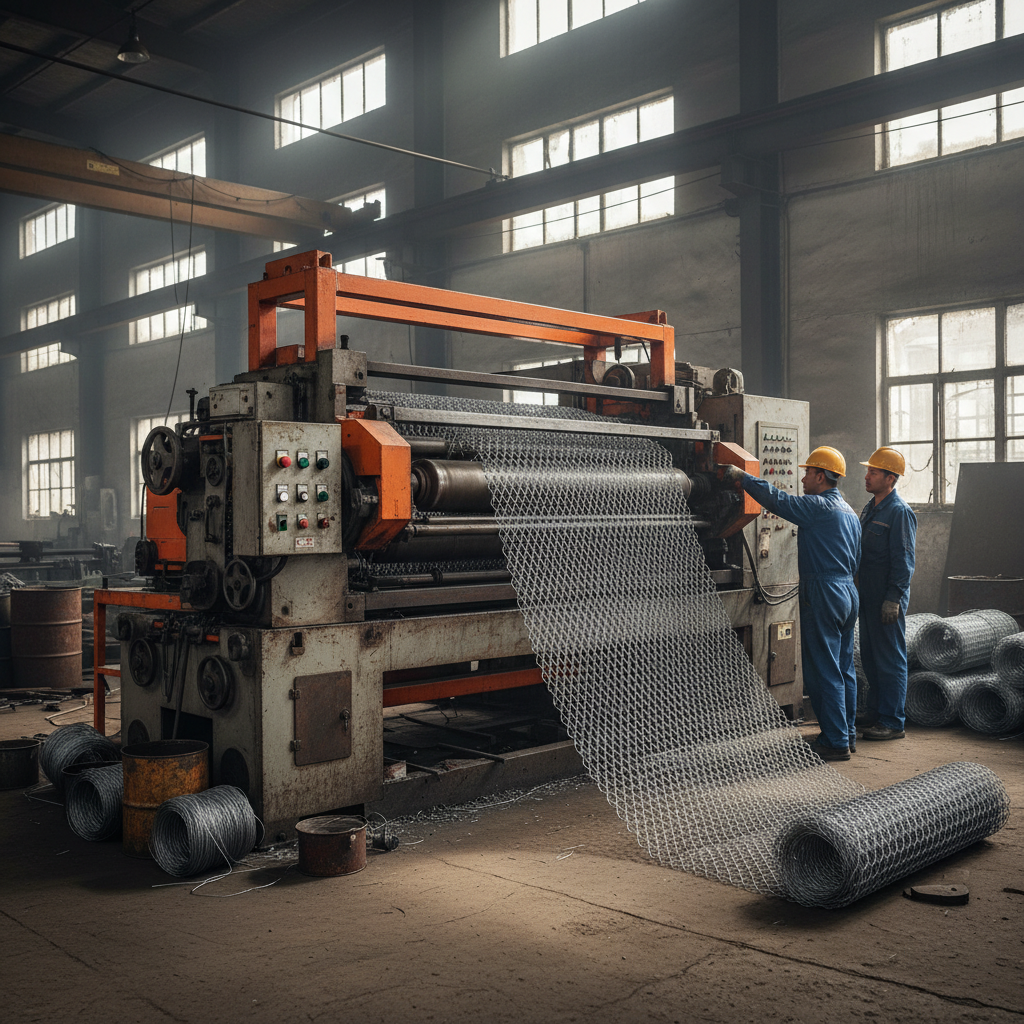
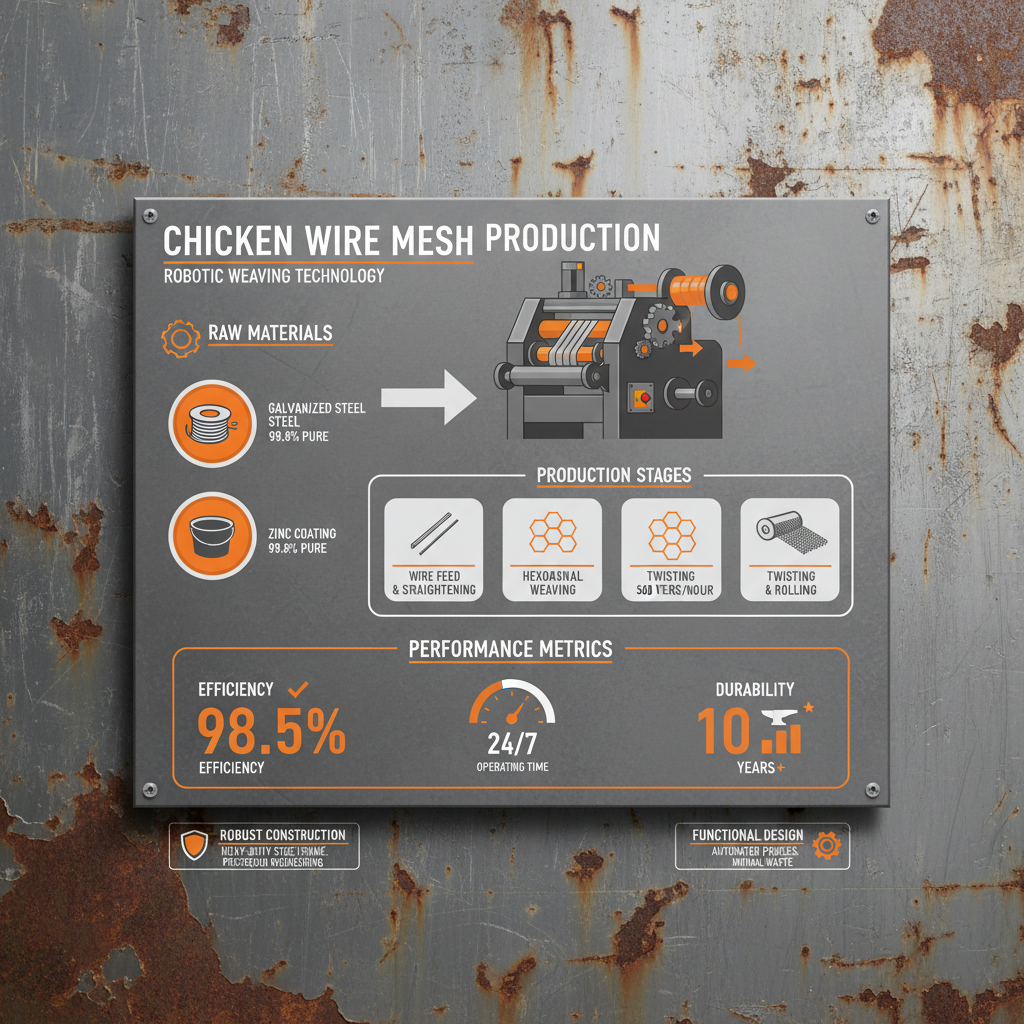
Modern chicken wire mesh making machines represent a critical link in numerous supply chains. They facilitate the production of essential materials used in agriculture, construction, animal husbandry, and security applications. Without these machines, many industries would face significant challenges in sourcing reliable and cost-effective fencing solutions.
The increasing demand for customized mesh sizes and specifications further underscores the importance of sophisticated manufacturing capabilities. A versatile machine can adapt to diverse requirements, making it a valuable asset for businesses serving a broad range of clients. This adaptability is a key factor in maintaining market competitiveness.
The primary material is, of course, wire – typically galvanized steel, but other materials like stainless steel or PVC-coated wire can be used depending on the application. Beyond the wire itself, you’ll need lubrication fluids for the machinery, replacement dies for varying mesh sizes, and potentially cleaning solvents to maintain optimal performance. Regular inspection and replacement of these components are essential for consistent output.
Production capacity varies significantly based on the machine’s size, automation level, and wire thickness. A typical entry-level machine might produce 50-100 meters of mesh per hour, while larger, fully automated machines can exceed 300 meters per hour. The speed is also dependent on the desired mesh size and the operator’s skill.
Regular maintenance includes daily lubrication of moving parts, weekly inspection of dies for wear and tear, and monthly cleaning of the entire machine. Periodically checking and adjusting wire tension is also crucial. Annual professional servicing is recommended to address any underlying issues and ensure long-term reliability.
Always wear appropriate personal protective equipment (PPE), including safety glasses, gloves, and hearing protection. Ensure the machine is properly grounded and that all safety guards are in place. Never attempt to repair or adjust the machine while it’s running. Thorough training on machine operation is essential for all personnel.
Automation significantly enhances efficiency by reducing labor costs, minimizing human error, and increasing production speed. Automated machines can run continuously with minimal supervision, resulting in higher output and consistent mesh quality. They also offer greater flexibility in terms of adjusting parameters and producing customized mesh sizes.
Power consumption varies depending on the machine’s size and automation level. Smaller machines might consume around 5-10 kilowatts, while larger, more advanced models can require 15-20 kilowatts or more. Investing in energy-efficient motors and optimizing production schedules can help reduce overall energy costs.
In summary, the chicken wire mesh making machine stands as a critical component in numerous industries, facilitating the production of a versatile material with a wide range of applications. From agriculture and construction to security and disaster relief, the demand for high-quality mesh continues to grow, driving innovation and advancements in machine technology. The benefits extend beyond simple production efficiency, encompassing cost savings, customization options, and long-term value.
Looking ahead, the integration of automation, sustainable practices, and digitalization will shape the future of this industry. Investing in modern machinery and embracing these emerging trends is essential for businesses seeking to maintain a competitive edge and meet the evolving needs of the global market. For more information and to explore our range of chicken wire mesh making machines, visit our website at www.htmeshmachines.com.