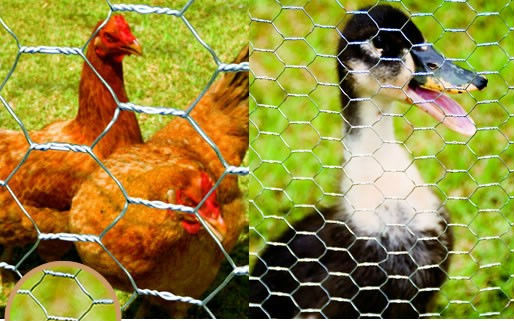
The demand for robust and efficient fencing solutions is globally significant, driven by needs ranging from agricultural security to perimeter protection for critical infrastructure. A key component in meeting this demand is the fence mesh welding machine, a specialized piece of equipment vital for producing high-quality, durable fencing materials. Its importance stems from the increasing emphasis on security, livestock management, and land demarcation worldwide.
The escalating global population and urbanization trends are further amplifying the need for effective fencing. This translates to a consistent and growing demand for fence mesh, making the fence mesh welding machine a critical tool for manufacturers. Economic development in emerging markets also fuels this demand, as countries invest in infrastructure and agricultural modernization. Reliable and efficient fencing is no longer simply a matter of property boundaries; it's an element of national security and economic stability.
Understanding the intricacies of fence mesh welding machine technology – from its core mechanics to its latest advancements – is essential for businesses operating in the fencing industry. This knowledge empowers manufacturers to optimize production, enhance product quality, and ultimately meet the evolving needs of a global market. Investing in the right machine and understanding its capabilities are crucial for sustained success and competitive advantage.
The Global Significance of fence mesh welding machine
The global market for fencing, and consequently, the demand for fence mesh welding machines, is substantial and continuously growing. According to recent industry reports, the fencing market is projected to reach billions of dollars in the coming years, driven by infrastructure development and increased security concerns. This demand is especially pronounced in regions undergoing rapid urbanization and agricultural expansion.
A significant challenge within the fencing industry is maintaining consistent quality and production efficiency while managing costs. The use of automated fence mesh welding machines addresses this challenge by providing a reliable and scalable solution for producing high-quality mesh with minimal waste. This is particularly important for large-scale projects and meeting the demands of a competitive market.
Defining fence mesh welding machine
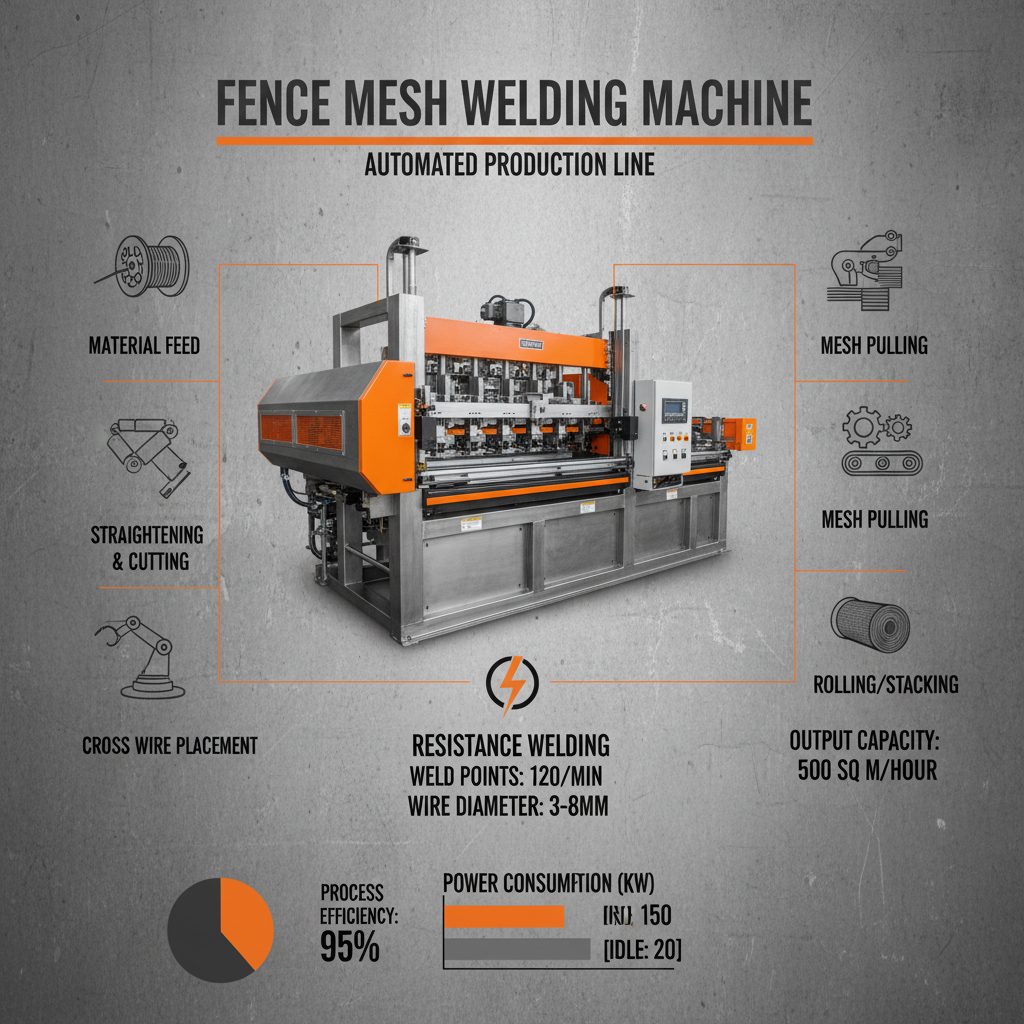
A fence mesh welding machine is a specialized automated system designed to fuse wires together at their intersecting points, creating a strong and durable mesh used extensively in fencing applications. Unlike woven wire fencing, welded wire mesh offers superior strength and rigidity, making it ideal for a variety of security and containment purposes. These machines utilize electrical resistance welding to join the wires without the use of adhesives or mechanical fasteners.
The technology is fundamentally linked to modern industrial production, enabling mass production of fencing materials with a consistent level of quality. It’s a critical component in supporting various sectors, including agriculture, construction, security, and infrastructure development. The efficiency and precision of these machines are essential for meeting the growing demands of these industries.
The evolution of the fence mesh welding machine reflects a broader trend towards automation and precision engineering in manufacturing. These machines represent a significant leap forward in fencing technology, offering a reliable and cost-effective solution for producing high-quality materials.
Core Components and Operational Principles
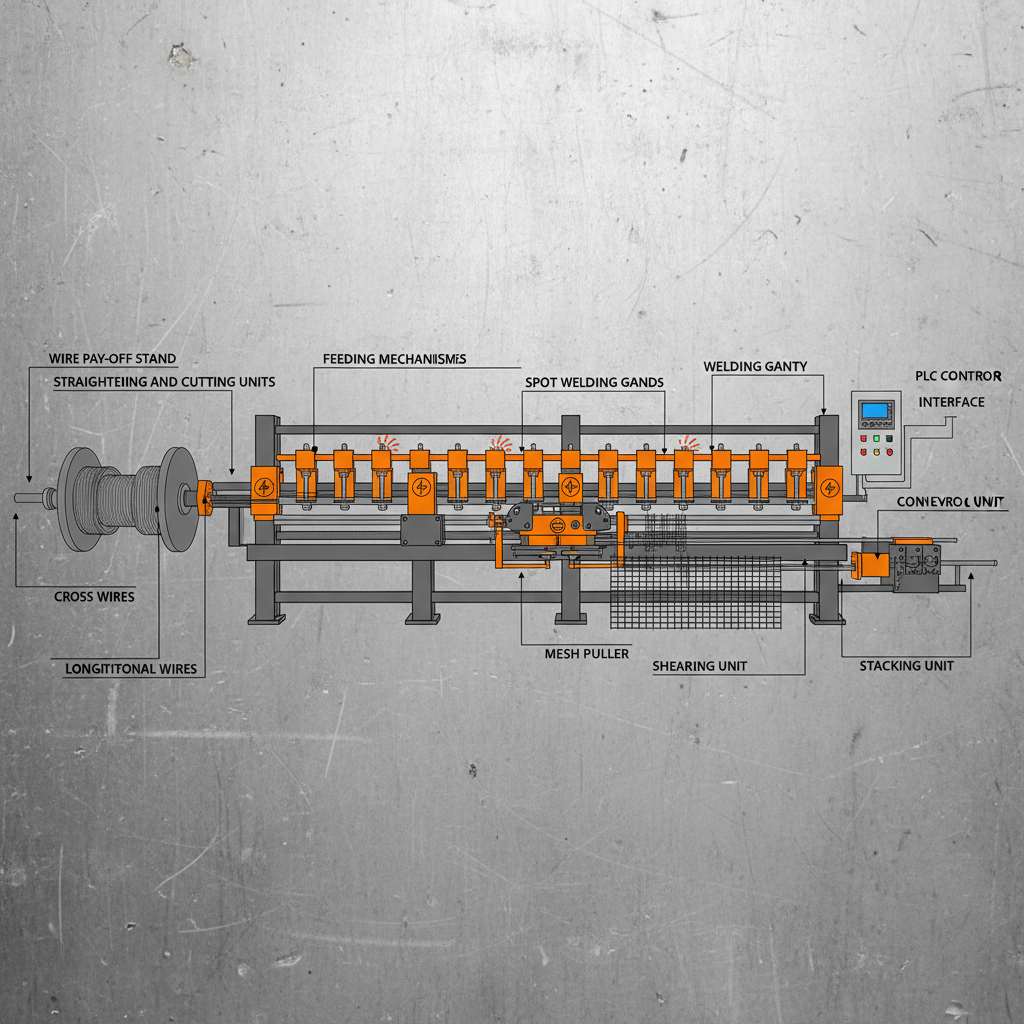
The core of a fence mesh welding machine lies in its robust construction and precise operational mechanics. Key components include the wire feeding system, welding electrodes, a transformer to provide the welding current, and a control system to manage the welding process. The wire feeding system ensures a consistent and accurate supply of wire to the welding area.
The welding process itself relies on the principle of electrical resistance welding. When current passes through the wires at the point of contact, the resistance generates heat, causing the metal to melt and fuse together. The control system precisely regulates the welding current, duration, and pressure to ensure a strong and consistent weld. This precise control is critical for achieving the desired mesh characteristics.
Modern fence mesh welding machines often incorporate advanced features such as automatic wire spool changing, adjustable welding parameters, and quality control systems to enhance efficiency and product consistency. These features minimize downtime and ensure that the produced mesh meets stringent quality standards.
Factors Influencing Machine Performance
Several factors significantly impact the performance and output of a fence mesh welding machine. Wire material and diameter play a crucial role – different materials require specific welding parameters to achieve optimal results. The machine’s welding current, welding time, and electrode pressure must be precisely calibrated to match the wire characteristics.
Maintenance is also paramount. Regular cleaning, lubrication, and inspection of components are essential for preventing breakdowns and ensuring consistent performance. Furthermore, the skill and experience of the machine operator can significantly affect the quality and efficiency of the welding process.
Welding Parameter Impact on Mesh Strength
Real-World Applications and Global Reach
Fence mesh welding machines are indispensable across a diverse range of applications. In agriculture, welded wire mesh fencing protects livestock from predators and confines animals within designated areas. In construction, it's used for safety barriers, site enclosures, and reinforcement of concrete structures.
The reach of these machines extends globally. In North America, they are widely used for agricultural fencing and perimeter security. In Europe, they support infrastructure projects and construction activities. Emerging economies in Asia and Africa are experiencing a surge in demand for welded wire mesh fencing, driven by infrastructure development and increasing security concerns.
The Advantages of Advanced Technology
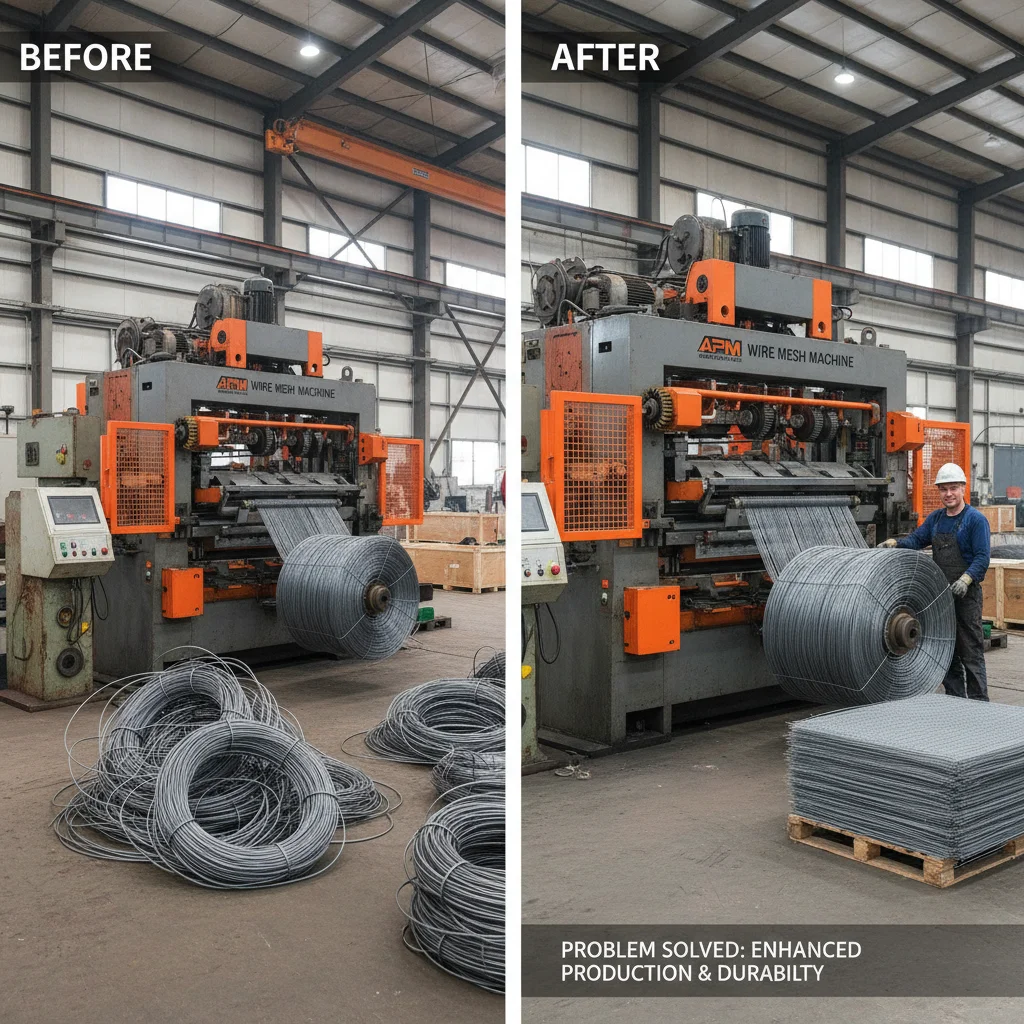
Advanced fence mesh welding machine technology offers significant advantages over older, less sophisticated models. Automated systems reduce labor costs, increase production speed, and minimize material waste. Precision welding control leads to more consistent and durable mesh, improving the overall quality of the finished product.
Furthermore, modern machines often incorporate sophisticated diagnostics and error detection systems, allowing for proactive maintenance and minimizing downtime. These technological advancements contribute to increased efficiency, reduced operating costs, and improved product quality, giving manufacturers a competitive edge in the market.
Future Trends and Ongoing Innovations
The future of fence mesh welding machine technology is focused on increased automation, improved efficiency, and sustainable practices. Research and development efforts are geared towards integrating artificial intelligence (AI) for real-time process optimization and predictive maintenance.
Another emerging trend is the development of machines capable of welding a wider range of materials, including recycled metals and innovative alloys. This aligns with the growing emphasis on sustainability and resource efficiency. Digital integration and remote monitoring capabilities are also gaining traction, allowing operators to track performance, diagnose issues, and make adjustments remotely.
We are also witnessing a trend toward more energy-efficient machines, reducing the environmental footprint of the manufacturing process. This includes the implementation of smart power management systems and the use of lightweight, durable materials in machine construction.
Analysis of Key Innovation Areas in Fence Mesh Welding Machine Technology
| Innovation Area |
Current Status |
Potential Impact |
Implementation Challenges |
| AI-Powered Process Control |
Early stages of development, limited commercial availability |
Significant improvement in weld quality and reduced waste |
High initial investment, data requirements, algorithm complexity |
| Multi-Material Welding Capability |
Capable of welding common materials, limited success with alloys |
Expanded market reach, ability to utilize recycled materials |
Material compatibility issues, precise parameter control needed |
| Remote Diagnostics & Monitoring |
Widely adopted, providing valuable performance data |
Reduced downtime, proactive maintenance, improved efficiency |
Data security concerns, reliable network connectivity required |
| Energy Efficiency Optimization |
Incremental improvements through component upgrades |
Lower operating costs, reduced environmental impact |
Requires redesign of core systems, high development costs |
| Automated Wire Spool Handling |
Becoming standard in high-volume production lines |
Reduced labor costs, increased production uptime |
Initial investment cost, integration complexity |
| Advanced Quality Control Systems |
Integrating vision systems for defect detection |
Improved product quality, reduced scrap rate |
Calibration challenges, computational requirements |
FAQS
AC (Alternating Current) and DC (Direct Current) fence mesh welding machines differ primarily in their power supply and welding characteristics. AC machines are generally more affordable and suitable for welding lower-carbon steels. DC machines offer greater control over the welding process, resulting in more precise and stronger welds, making them ideal for higher-carbon steels and thicker materials. They also typically provide better arc stability and reduce spatter, leading to cleaner welds and less post-welding cleanup. Choosing the right type depends on the material being welded and the desired weld quality.
Regular maintenance is crucial for ensuring the longevity and optimal performance of your fence mesh welding machine. Daily checks should include inspecting wire feed rollers, cleaning welding electrodes, and verifying the coolant levels. Weekly maintenance should involve lubricating moving parts and checking for loose connections. Monthly, a more thorough inspection of all electrical components and a cleaning of the transformer are recommended. Following the manufacturer’s recommended maintenance schedule is paramount to prevent breakdowns and costly repairs.
Common welding defects in fence mesh welding include porosity, spatter, and incomplete fusion. Porosity can be caused by contaminants on the wire surface or improper gas shielding. Spatter is often a result of excessive welding current or incorrect electrode angle. Incomplete fusion occurs when the base metal isn’t sufficiently heated. Prevention involves ensuring clean wires, using the correct welding parameters for the material, maintaining proper gas flow, and ensuring adequate welding current and pressure.
Safety is paramount when operating a fence mesh welding machine. Always wear appropriate personal protective equipment (PPE), including a welding helmet with a proper shade, welding gloves, and safety glasses. Ensure the work area is well-ventilated to avoid inhaling fumes. Never touch live electrical parts and always disconnect the power supply before performing maintenance. Implement proper grounding procedures and be aware of the potential for fire hazards. Following all safety guidelines is crucial for preventing accidents and injuries.
Wire diameter significantly influences the welding process. Thicker wires require higher welding currents and longer welding times to achieve adequate penetration and fusion. Conversely, thinner wires require lower currents and shorter times. Incorrect current settings can lead to defects like incomplete fusion or burn-through. Selecting the correct welding parameters based on the wire diameter is essential for producing a strong and consistent weld. It’s important to consult the machine’s manual for recommended settings for different wire sizes.
Several factors contribute to a fence mesh welding machine's production speed. These include the machine's welding cycle time, wire feeding speed, and the efficiency of automated features like wire spool changing. The skill of the operator, the quality of the input materials, and the precision of the machine’s control system also play a role. Regular maintenance and optimization of these factors can significantly increase overall production output. Investing in a machine with faster cycle times and automated features is crucial for high-volume production.
Conclusion
In conclusion, the fence mesh welding machine is a critical component in a diverse range of industries, enabling the production of essential fencing materials. From agricultural security to infrastructure development, these machines play a vital role in supporting economic growth and enhancing safety standards globally. Understanding the core components, operational principles, and emerging technologies is paramount for manufacturers seeking to optimize production and maintain a competitive edge.
Looking ahead, continued innovation in automation, sustainability, and digital integration will drive the evolution of fence mesh welding machine technology. Investing in advanced machines and embracing best practices will be essential for meeting the growing demands of a global market and contributing to a more secure and sustainable future. Visit our website at www.htmeshmachines.com to learn more about our range of high-quality welding solutions.