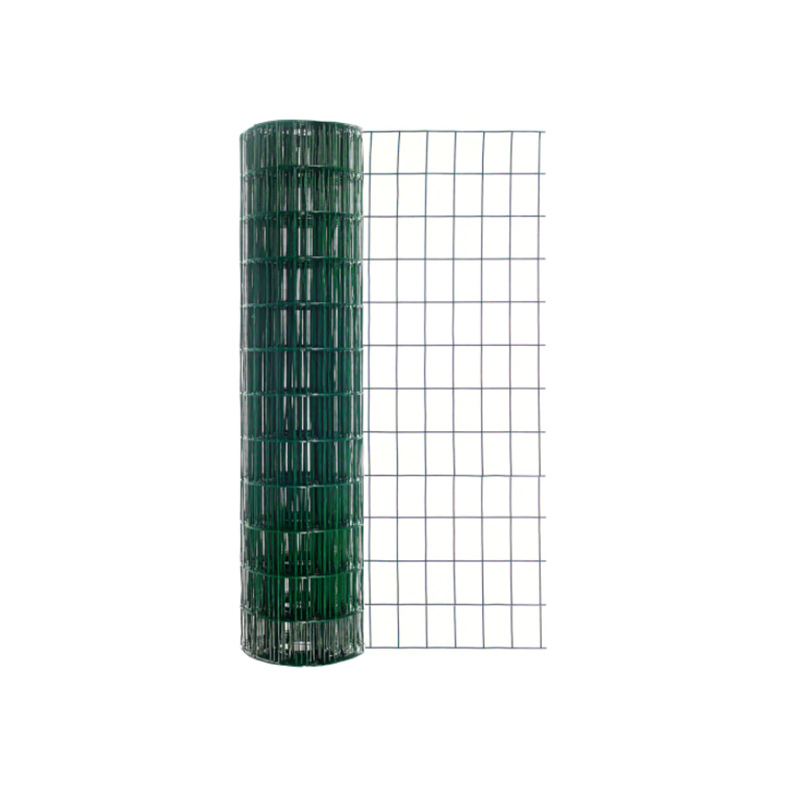
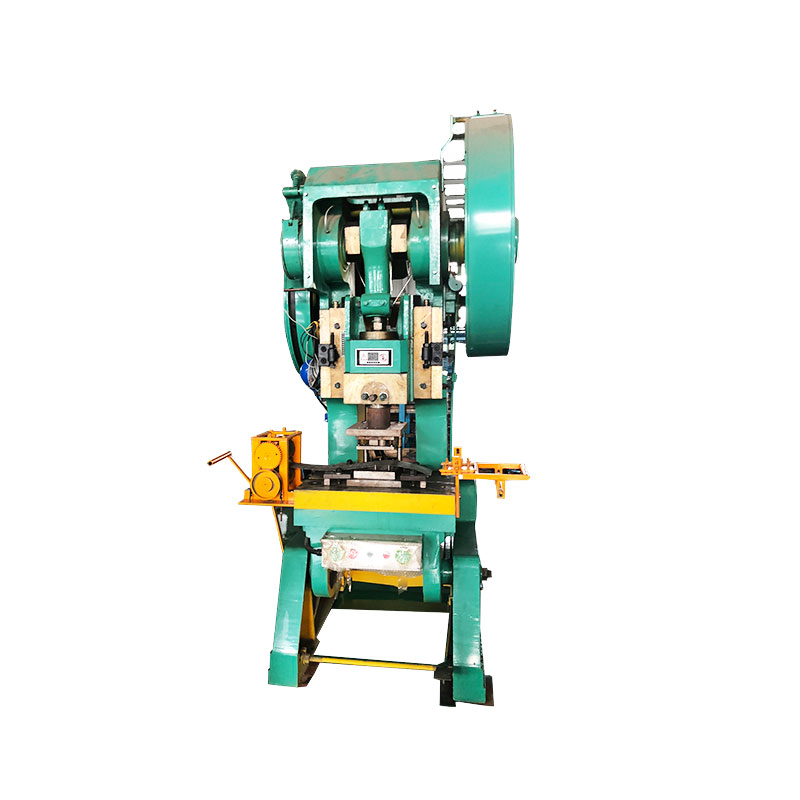
The industrial sector in South Sudan is currently characterized by a significant push toward reconstruction and the establishment of basic infrastructure. There is a rising demand for localized production of fencing and stabilization materials to reduce reliance on expensive imports. This creates a strategic opening for the deployment of automatic welded wire mesh machine systems that can operate independently and produce high volumes of materials for national development.
Geographically, the region's diverse terrain—ranging from wetlands to arid plains—requires specific types of containment solutions. The prevalence of riverine erosion and the need for secure perimeter marking in expansive rural areas drive the demand for gabion machine technology. Local businesses are increasingly looking for equipment that can handle varying wire gauges to produce both heavy-duty rock cages and lighter boundary fences.
However, procurement is often hindered by limited local technical support and the challenge of maintaining complex machinery in dusty, high-temperature environments. Many operators struggle with outdated manual processes that lack consistency. The transition to automated systems, such as the grassland field fence machine, is essential for improving output quality and reducing labor-intensive bottlenecks in the local supply chain.