Gabion Mesh Price: Understanding its Global Importance and Industry Impact
If you’ve ever walked along a riverbank, highway embankment, or even certain urban retaining walls, chances are you’ve seen gabion meshes quietly doing their job. But what exactly determines the gabion mesh price, and why should anyone outside civil engineering or construction care?
Gabions, these wire mesh cages filled typically with stones or rubble, are fundamental in soil stabilization, erosion control, and infrastructure protection worldwide. Understanding the price of gabion mesh is critical not only for budgeting projects but also for assessing sustainability and supply chain factors affecting communities globally. As climate change fuels more extreme weather events, gabions are increasingly vital in disaster resilience efforts – yet their costs can vary widely, influencing project feasibility and outcomes.
Introduction: The Global Context Behind Gabion Mesh Price
Globally, infrastructure spending is sky-rocketing; the World Bank estimates over $94 trillion in urban infrastructure investment by 2040, with a huge portion directed at erosion and flood control. Gabion mesh, a relatively low-tech but highly durable solution, plays a surprisingly big role here. But pricing remains a puzzle for many stakeholders — from governments in developing countries struggling to secure affordable materials, to private firms weighing quality versus budget.
For example, rising raw material costs (particularly steel), logistical challenges, and regional supplier variations impact the gabion mesh price. And when you think about humanitarian projects, like rebuilding after floods or landslides, cost-sensitive procurement can become a bottleneck. So the problem isn’t just “how much,” but “how realistic is getting quality gabion meshing at viable prices”?
What is Gabion Mesh Price? Defining the Basics
Simply put, the gabion mesh price refers to the cost per unit of the wire mesh material used to build gabion cages. This incorporates wire diameter, mesh size, coating type (usually galvanized or PVC-coated), and the country of manufacture. The price reflects material quality, production scalability, and shipping overheads.
This price isn’t just a number — it interacts with modern industry needs like sustainability goals and humanitarian logistics. Ensuring affordable yet durable gabion meshes means infrastructures last longer, reducing waste and providing safer, more resilient communities.
Key Components Affecting Gabion Mesh Cost
1. Durability
Steel quality and protective coatings dictate lifespan. Hot-dip galvanized meshes cost more but offer greater corrosion resistance, which is crucial in coastal or humid areas. That translates directly to better value over time.
2. Mesh Size and Wire Diameter
Smaller mesh sizes and thicker wires increase strength but bump up the cost due to higher steel usage. Engineers select specs depending on soil type and expected pressure.
3. Scalability and Volume
Buying in bulk often reduces the price per square meter. Large projects benefit from economies of scale, while smaller builds might pay a premium.
4. Geographic Location and Logistics
Transportation costs from factories to sites can be significant, especially in mountainous or remote regions. Local manufacturing might reduce prices but sometimes at the cost of quality.
5. Coating technology
Advances in PVC or polyvinyl coatings can extend service life, raising upfront price but lowering lifetime maintenance — a cost trade-off many engineers debate.
Quick Takeaway:
The gabion mesh price is a balancing act between upfront investment and long-term durability tailored to local conditions — not a simple fixed rate.
Gabion Mesh Typical Specifications and Price Range
| Feature |
Specification |
Price Range (USD per m²) |
| Wire Diameter |
2.0 – 4.0 mm |
$3.00 – $8.00 |
| Mesh Size |
50 mm × 50 mm – 100 mm × 100 mm |
Varies by diameter |
| Coating |
Galvanized & PVC coated |
+10-30% on base price |
Global Applications & Real-World Use Cases
It’s fascinating that gabion mesh isn’t just an engineering artifact but an enabler of social stability and environmental resilience. In Southeast Asia, for instance, NGOs deploy gabions en masse for riverbank rehabilitation after floods. In parts of Africa, they're essential in road construction where earth retaining is critical.
One example: after the 2018 Kerala floods in India, authorities relied on locally sourced gabion mesh products to quickly stabilize landslide-prone hillsides. Industrial zones in remote Russia also use these meshes extensively to trap soil and prevent erosion around pipelines.
Vendor Comparison: International Gabion Mesh Suppliers
Gabion Mesh Vendor Price & Features Comparison
| Supplier |
Base Price (USD/m²) |
Coating Options |
Lead Time |
Sustainability Certifications |
| SteelMesh Ltd (EU) |
$6.50 |
Galvanized, PVC |
2 weeks |
ISO 14001 |
| Asia Wire Tech |
$4.20 |
Galvanized only |
3-4 weeks |
None |
| HT Mesh Machines (Online) |
$5.80 |
Galvanized, PVC |
1-2 weeks |
ISO 9001, ISO 14001 |
Advantages & Long-Term Value of Gabion Mesh
Cost isn’t merely a short-term expense here. Gabion meshes offer incredible value via sustainability. They require virtually no specialized maintenance for decades, helping to cut lifetime project costs. Plus, they integrate seamlessly into natural environments, often encouraging vegetation growth which improves soil stability and aesthetics.
Socially, gabions contribute to community safety and dignity — preventing landslides that could displace families or destroy livelihoods. It’s oddly reassuring how such a simple technology can mean so much, especially in vulnerable areas.
Future Trends & Innovations in Gabion Technology
Looking ahead, the gabion mesh market is gradually embracing greener materials like recycled steel and innovative coatings that reduce environmental footprint. Digital tracking technologies are also appearing — enabling better quality control and logistics management, especially for international projects.
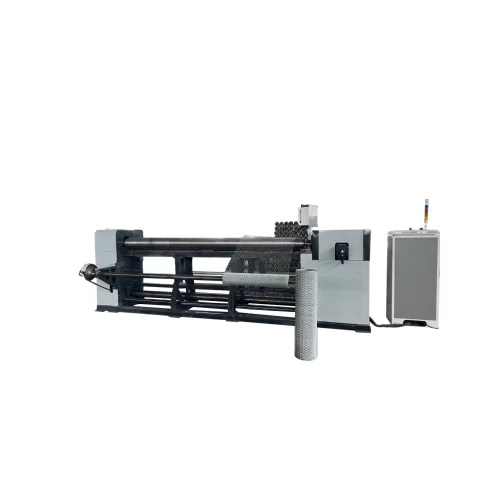
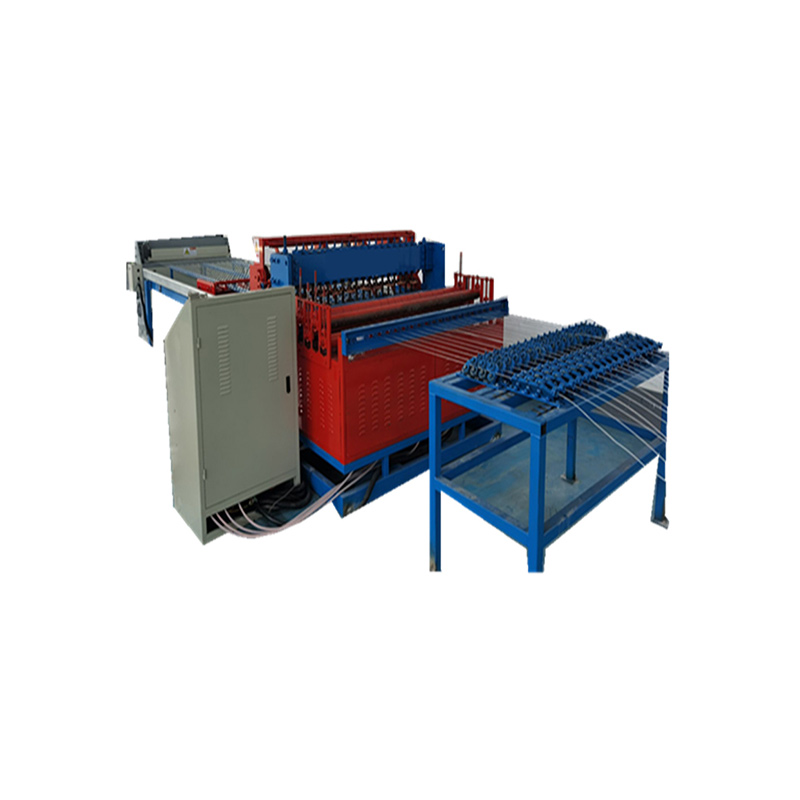
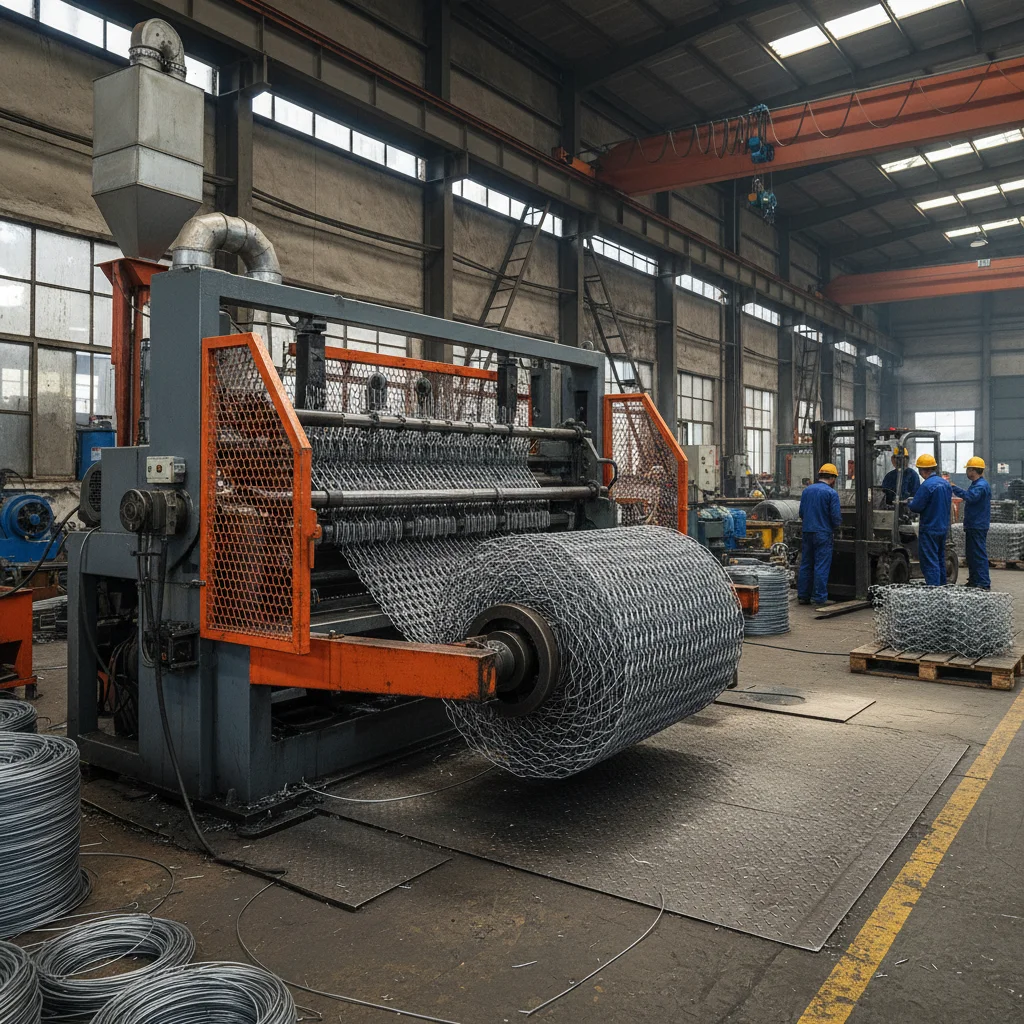
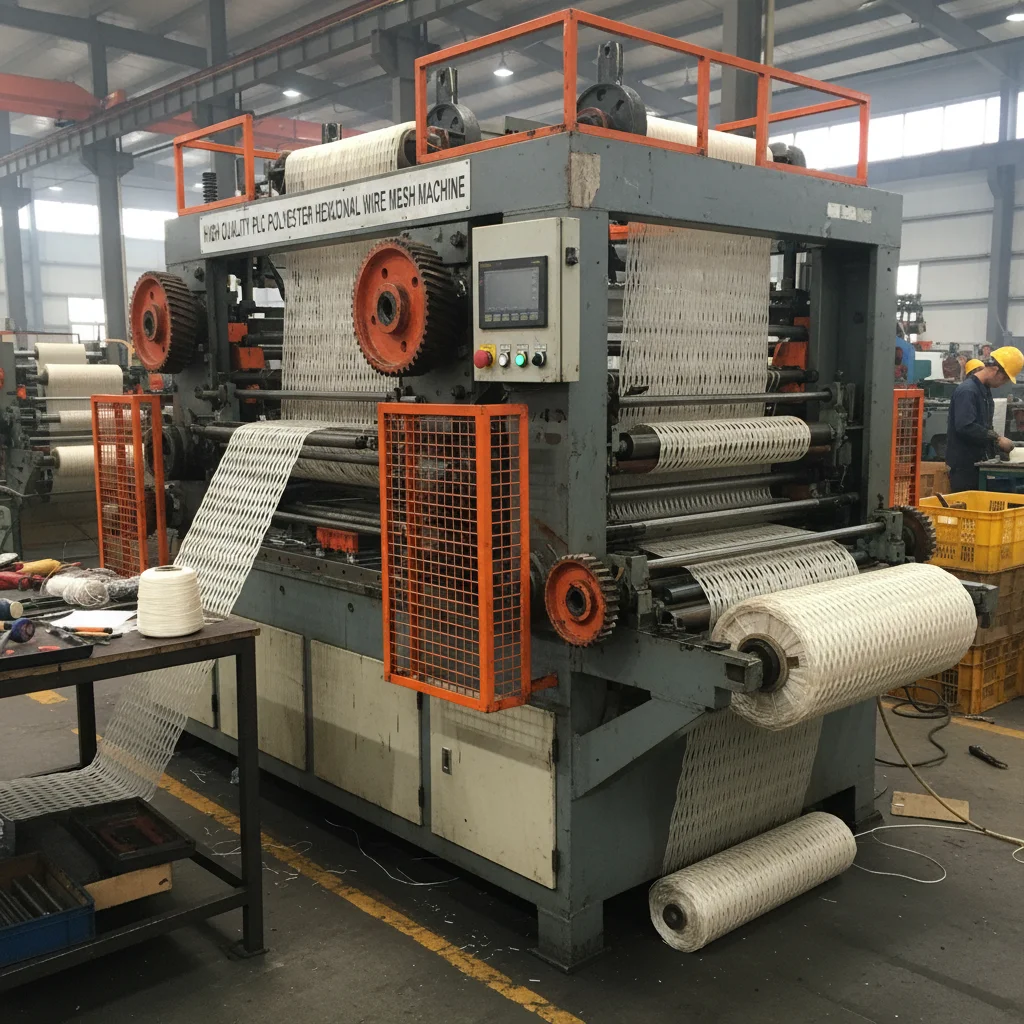
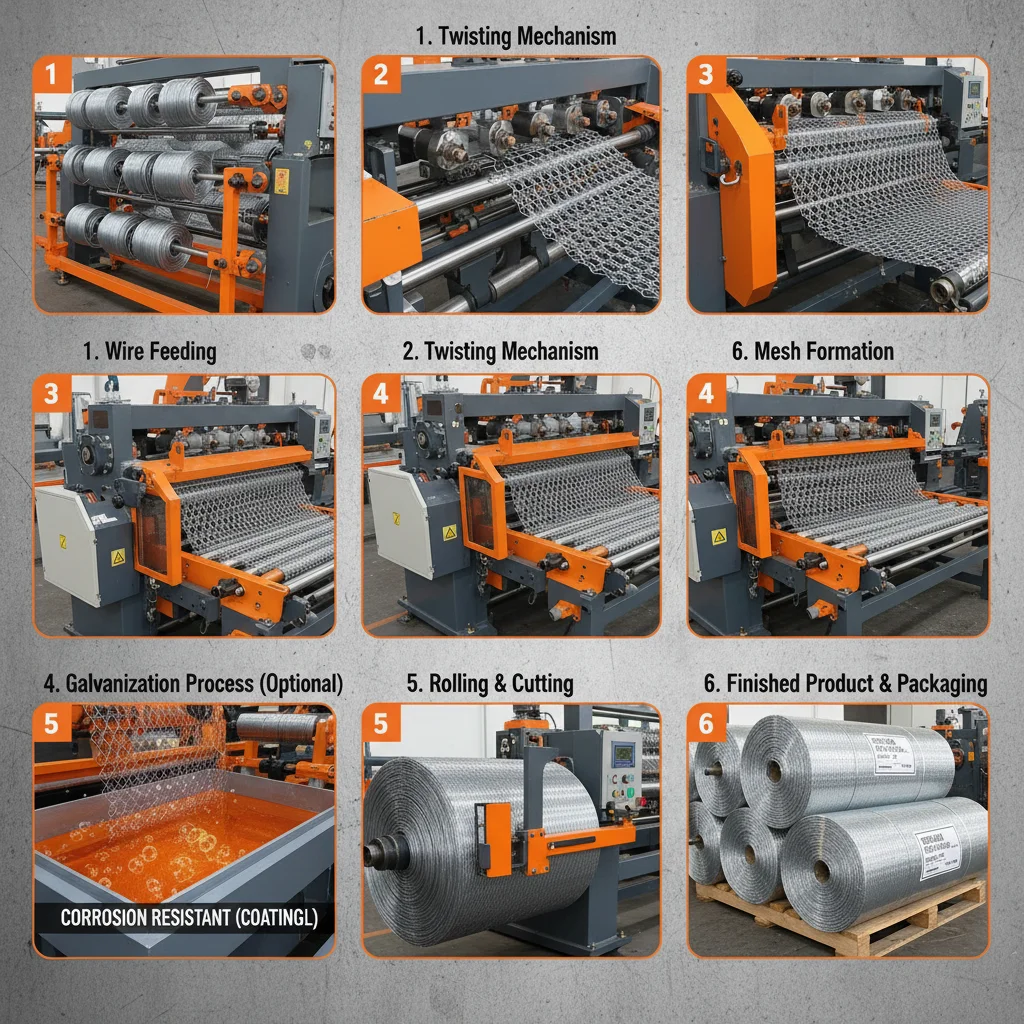
Automation in mesh manufacturing is another frontier, promising quicker production times and customizable sizes to meet evolving infrastructure demands. Policymakers and NGOs are increasingly prioritizing such sustainable and efficient designs, aligning with UN Sustainable Development Goals around resilient infrastructure.
Challenges and Solutions
However, it’s fair to say there are challenges. Supply chain disruptions and fluctuating steel prices can spike the gabion mesh price unexpectedly. Also, in very harsh environments, corrosion remains a concern despite coatings.
Experts recommend mixed-material approaches, combining coatings with regular site inspections. Also, regional manufacturing hubs reduce transport costs and delays. The ongoing innovation in coating technology and modular gabion designs aims to resolve these issues.
FAQ: Frequently Asked Questions About Gabion Mesh Price
- Q: Why does gabion mesh price vary so much between suppliers?
A: Variations come down to raw material quality, coating type, mesh size, and region. Some suppliers also offer certifications that add cost but guarantee durability and sustainability.
- Q: How can I estimate total gabion costs beyond just the mesh price?
A: Include stone filler costs, labor, transport, and maintenance. Often, mesh price is just 30–40% of the total gabion expense.
- Q: Are PVC-coated gabion meshes really worth the extra cost?
A: In corrosive environments (coastal, acidic soil), definitely. They can extend lifespan by years, saving money long-term.
- Q: Can gabion mesh be reused or recycled?
A: Wire mesh can be recycled as scrap steel. Reuse is tricky due to deformation but possible with careful dismantling.
- Q: How do NGOs source gabion mesh affordably for disaster relief?
A: By partnering with local manufacturers and purchasing in bulk, NGOs can often negotiate better pricing and faster logistics.
Conclusion + Call to Action
In real terms, the gabion mesh price is more than just a budgeting figure; it is an investment in stronger, safer communities and sustainable development. As you plan any erosion control or civil engineering project, a clear grasp of these costs alongside quality considerations will pay dividends over time.
Curious about detailed pricing options for your next project? Visit our website at https://www.htmeshmachines.com and get expert guidance tailored to your needs.
Reflection
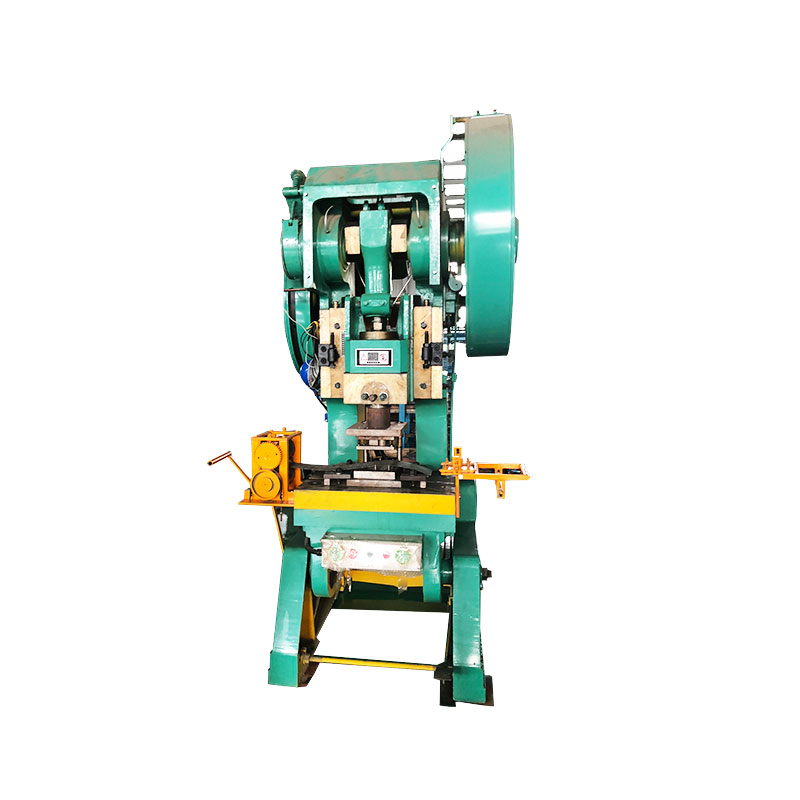
Oddly enough, gabion mesh often appears as “just wire and stones” but behind that simplicity lies a complex ecosystem of global trade, engineering innovation, and community resilience. Our understanding of its price is a window into how technical materials shape real lives worldwide.
- World Bank - Urban Development Data
- Wikipedia - Gabion
- ISO 9001 and ISO 14001 Standards