0%

Table of Contents

To be honest, the whole industry's gone a bit wild with lightweight stuff lately. Everyone’s chasing weight reduction – you see it in everything from scaffolding to fasteners. It’s good, don’t get me wrong, less hauling around on site is always a win. But have you noticed, sometimes they go too far? End up with something that feels…flimsy. You’re walking a tightrope, you know? Strength versus weight. It’s a constant battle. And frankly, a lot of designers, bless 'em, they haven’t spent a day in the mud like we have.

The biggest trap I see is over-engineering the small stuff. People get hung up on tolerances and micro-adjustments, then completely neglect the main structural bits. I encountered this at a factory in Jiangsu last time – they were making these fancy, high-precision brackets, but the base plate was just…thin. I pointed it out, and the engineer just blinked at me. He'd optimized for cost and aesthetics, forgotten about actual use. It’s frustrating, you know?

We're mostly using Q235 steel, standard stuff. Smell it, you know it. That slightly oily, metallic tang. It's got a good heft to it. Sometimes we’ll spec 304 stainless for exposed areas, especially near the coast. That's a different beast – smooth, cold to the touch, doesn’t rust…but it’s pricey. And strangely, harder to weld properly, if you don’t know what you’re doing. The coating, that's crucial. We've been experimenting with a new epoxy-based one. Holds up better against abrasion, doesn't chip as easily. Feels a bit rubbery, which is good.
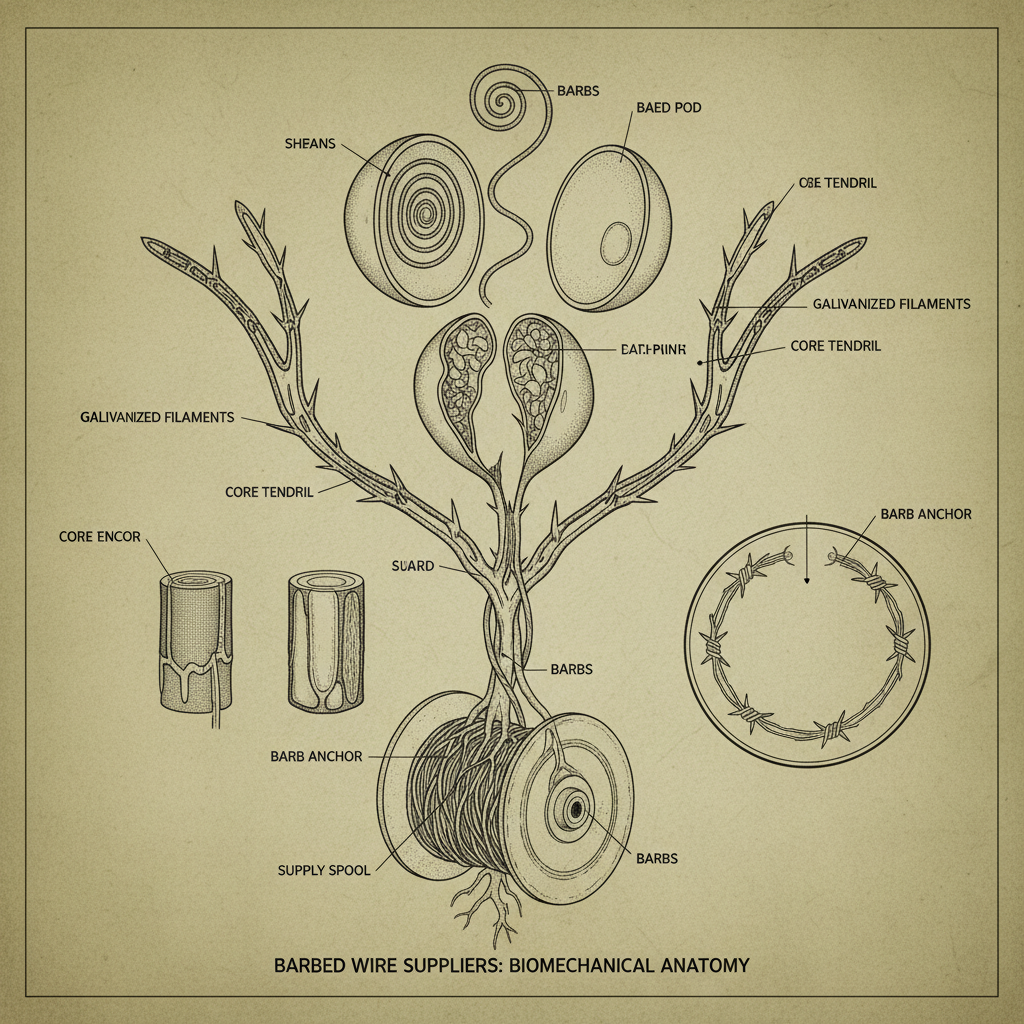
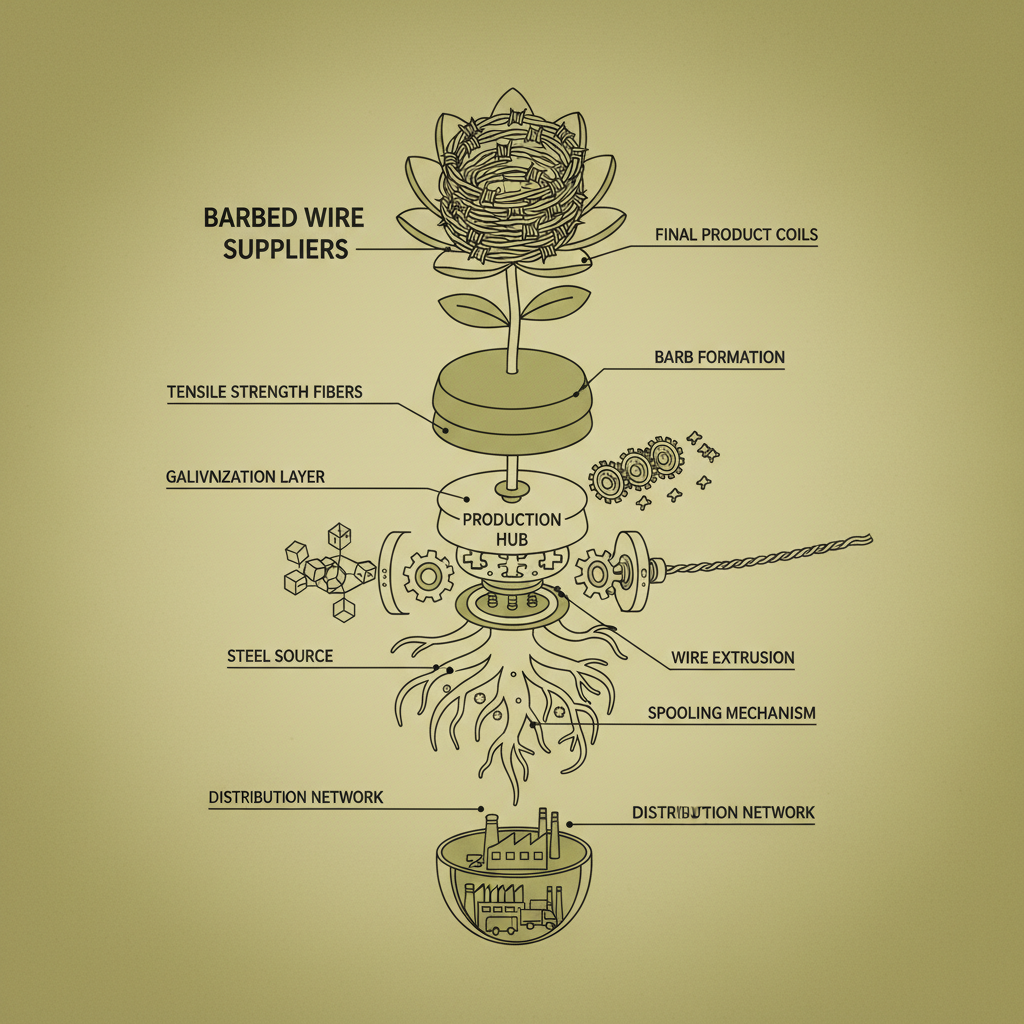
barbed wire suppliers

The Current Landscape of barbed wire suppliers

barbed wire suppliers

Anyway, I think the big thing right now is modularity. Everyone wants stuff they can quickly assemble and disassemble. Makes sense, especially for temporary structures or disaster relief. It’s driven by the whole prefabrication trend. But it also means more connections, more potential weak points. You gotta be really careful with those joints. And the supply chain... that's a whole other story. Delays, price hikes… you name it.

The demand for barbed wire suppliers is, surprisingly, steady. It’s not glamorous, but it's always needed. Agriculture, security, construction… they all rely on it. The push for higher security is definitely driving up demand for heavier-gauge wire and more complex designs. And the geopolitical stuff… well, let’s just say it keeps things interesting.

Common Design Pitfalls in barbed wire suppliers

I see so many designs that look good on paper but completely fall apart in the real world. Like that one time, we were working on a temporary fencing project, and the posts were just… too shallow. Wind came along, and down went the whole thing. Simple stuff, right? But you wouldn’t believe how often it happens. People underestimate the forces involved.

Another thing – forgetting about corrosion. Especially in coastal areas. Stainless steel is great, but expensive. You need to properly galvanize the steel and use a good coating. Otherwise, you’re looking at a rust bucket within a year. And the spacing of the barbs… too close, and it’s a pain to install. Too far apart, and it’s not very effective. There’s a sweet spot, and finding it takes experience.

And the wire itself. Some of that cheap stuff from overseas? It snaps like a twig. You need to look at tensile strength, elongation… all that jazz. It matters. Seriously.

Materials and Their Handling Characteristics

Q235, like I said, workhorse material. It's got good weldability, decent strength. But it’s heavy. Handling it all day, you feel it in your back. You need to be careful with storage – it can rust if left exposed to the elements. And the galvanized stuff... that’s a different beast. Sharp edges everywhere. Gloves are a must.

Stainless 304, now that's a pleasure to work with. Smooth, doesn’t rust. But expensive. And those edges, they can still be sharp. You need to deburr them properly. Also, it work hardens quickly. Bending it too much can make it brittle. We had a problem with that once – the wire kept cracking during installation.

PVC coating, that’s good for visibility and added protection. But it’s brittle in cold weather. It can crack and peel. And it adds to the cost. We've been experimenting with a polyethylene coating – seems more durable, but it's still early days. Later... Forget it, I won't mention it.

Real-World Testing Procedures for barbed wire suppliers

Look, lab tests are fine, but they don’t tell you the whole story. We actually stretch the wire to breaking point on site. Simple pull test. You can feel the give, see where it starts to deform. And we'll leave sections of wire exposed to the elements for six months, then check for corrosion. That’s a much better indicator of long-term performance.

We also do a “bend test.” Wrap the wire around a post, see how much it deforms. It needs to hold its shape. Another thing we do is simulate installation conditions. We have guys actually installing the wire, under realistic conditions, to see if there are any issues with handling or ease of use.

Barbed Wire Suppliers Performance Ratings

Actual Usage Patterns of barbed wire suppliers

You’d be surprised how often people try to stretch the wire too thin. They want to cover more ground with less material. It never ends well. Always ends up sagging. And the installation techniques… some of these guys are just brute-forcing it. Not using the right tools, not paying attention to tension.

And security applications… people always want the highest level of security, even if it's overkill. They don't realize that a determined attacker will always find a way through. It’s more about deterring casual trespassers. That’s where the visibility of the wire comes into play. Bright colors, reflective tape… it makes a difference.

Advantages and Disadvantages of barbed wire suppliers

The advantage is obvious – it’s effective. And relatively cheap. It's a deterrent. A simple, robust deterrent. But the downsides… it’s dangerous. People get injured on it all the time. And it's not exactly aesthetically pleasing, is it? It sends a message, a pretty harsh one. It’s not for everyone.

It's also maintenance-intensive. You need to regularly inspect it for damage, repair broken sections, and clear away vegetation. Otherwise, it loses its effectiveness. And it can be a liability. If someone gets injured on your property, you could be held responsible.

But, honestly, in a lot of situations, there's no better solution. It's simple, reliable, and gets the job done.

Customization Options for barbed wire suppliers

We can customize pretty much anything. Wire gauge, barb spacing, coating type, length of rolls… you name it. Last month, that small boss in Shenzhen who makes smart home devices insisted on changing the interface to . Said it was “more modern.” It made no sense, completely over-engineered for the application, and cost him a fortune. But he was adamant.

More realistically, we often get requests for different colors – to match existing fencing or blend in with the environment. We can also add different types of barbs – flat, twisted, even triangular. And we can tailor the packaging to specific requirements.

We recently did a project for a vineyard in Napa Valley. They wanted a wire that was specifically designed to protect their vines from deer without harming the animals. We ended up using a softer gauge wire with a plastic coating. It worked perfectly.

Summary of Key Customization Parameters for barbed wire suppliers

Parameter Description Typical Range Cost Impact
Wire Gauge Thickness of the wire. 12.5 - 16 gauge Low to Moderate
Barb Spacing Distance between barbs. 4-6 inches Low
Coating Type Material used to protect the wire. Galvanized, PVC, Polyethylene Moderate to High
Roll Length Length of the wire roll. 100-500 feet Low
Barb Type Shape of the barbs. Flat, Twisted, Triangular Moderate
Color Color of the wire coating. Various Moderate

FAQS

What is the typical lifespan of barbed wire in a coastal environment?

In a coastal environment, without proper galvanization or a robust coating like PVC, barbed wire will start to show significant corrosion within 6-12 months. Even with coatings, regular inspection and maintenance are crucial – look for rust spots and re-coat as needed. We typically recommend a yearly inspection and re-coating cycle for coastal installations. The salt air and constant moisture are brutal.

What’s the best way to prevent injuries during installation?

Always wear heavy-duty gloves, long sleeves, and eye protection. Seriously, don’t skimp on the safety gear. Use proper tools – wire stretchers, pliers with insulated handles. Never try to handle the wire with bare hands. And be mindful of your surroundings. Don’t work in windy conditions. And always have a first-aid kit handy, just in case. It’s better to be safe than sorry.

What wire gauge is recommended for agricultural fencing?

For agricultural fencing, we typically recommend a 12.5-gauge or 14-gauge wire. It provides a good balance of strength and cost-effectiveness. It's strong enough to contain most livestock, but not so thick that it’s difficult to work with. If you're dealing with larger animals like bulls or horses, you'll want to go with a heavier gauge, like 11 or 12. Depends on what you’re trying to keep in (or out!).

How does the spacing of barbs affect security?

Closer barb spacing (around 4 inches) provides a more effective deterrent, making it more difficult to climb over or cut through the wire. However, it can also make installation more challenging and increase the cost. Wider spacing (6 inches or more) is easier to install and cheaper, but it offers less security. It’s a trade-off. We usually recommend around 5 inches as a good compromise.

Can barbed wire be recycled?

Yes, barbed wire can be recycled, but it’s not always easy. The steel itself is recyclable, but the barbs can make it difficult to process. You’ll need to find a scrap metal recycler that’s equipped to handle barbed wire. Removing the barbs before recycling is often required. It's becoming more common as sustainability efforts increase, but it's still not widespread.

What are the alternatives to traditional barbed wire?

There are several alternatives, including woven wire fencing, electric fencing, and high-tensile wire. Woven wire is a good option for containing smaller animals, but it’s not as effective as a deterrent for humans. Electric fencing is highly effective but requires a power source and regular maintenance. High-tensile wire is a strong and durable option, but it requires specialized installation techniques.

Conclusion

So, barbed wire suppliers—it’s a surprisingly complex business. It's not just about selling wire; it’s about understanding the needs of the end-user, the environment, and the potential risks involved. From material selection to installation techniques, there’s a lot to consider. And the market is constantly evolving, with new materials, coatings, and designs emerging all the time.

Ultimately, whether this thing works or not, the worker will know the moment he tightens the screw. You can have all the certifications and specifications in the world, but if it doesn’t feel right in the field, it’s not going to last. That’s why experience matters. And why I’m always out there, getting my hands dirty.

Brian Wilson

Brian Wilson

Brian Wilson is the After-Sales Service Coordinator for Hebei Mingyang Intelligent Equipment Co., Ltd. in the US. Brian focuses on building long-term customer relationships through prompt and reliable service. He manages spare parts inventory, coordinates service calls, and ensures customers receive timely support. Brian has a strong technical aptitude and is skilled at troubleshooting common machine issues. He acts as a liaison between customers and the technical team in China, effectively communicating needs and ensuring swift resolution. Brian’s dedication to customer satisfaction has been instrumental in fostering repeat business and building a strong reputation for Mingyang.
Previous Navigating Modular Construction Challenges and the Role of Mesh Manufacturers
Next Essential Guide to Gabion Wire Mesh Machine Manufacturers and Performance

If you are interested in our products, you can choose to leave your information here, and we will be in touch with you shortly.

  • captcha