Hit enter to search or ESC to close
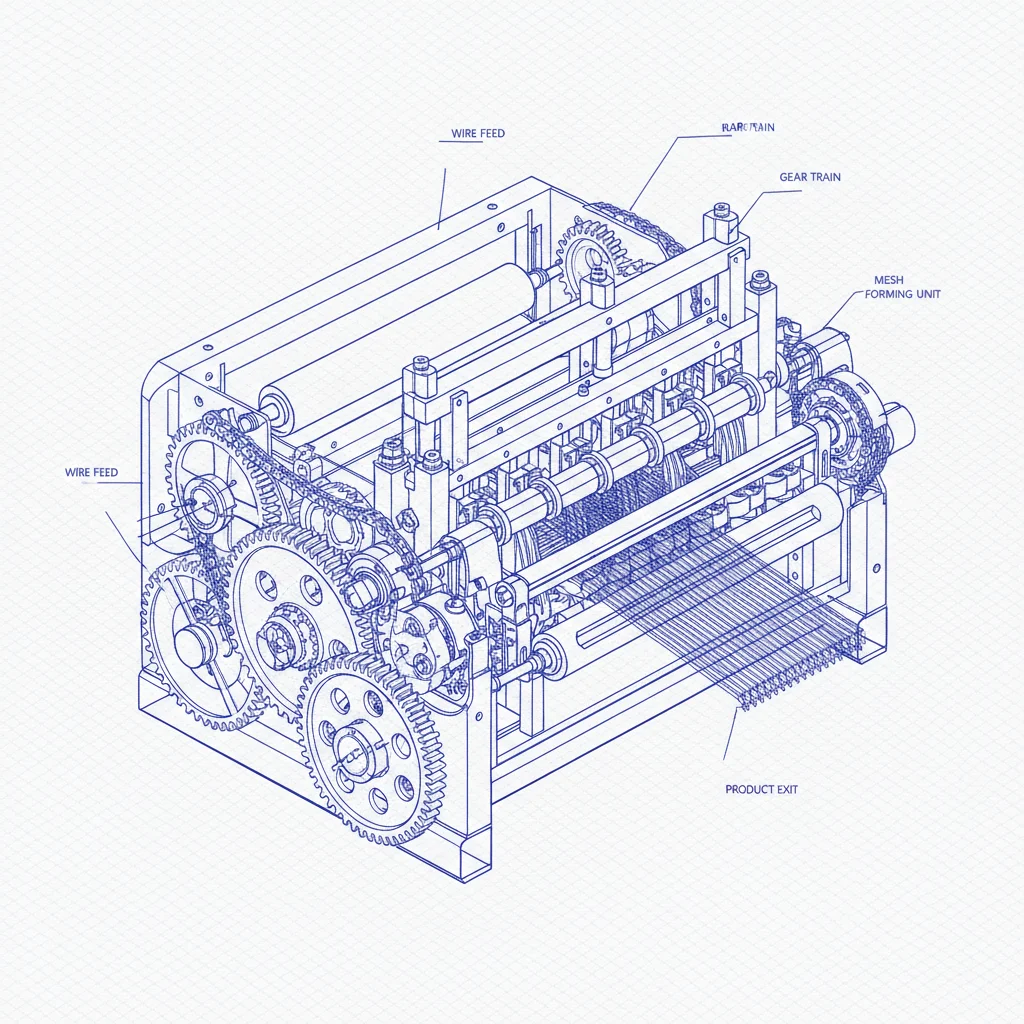
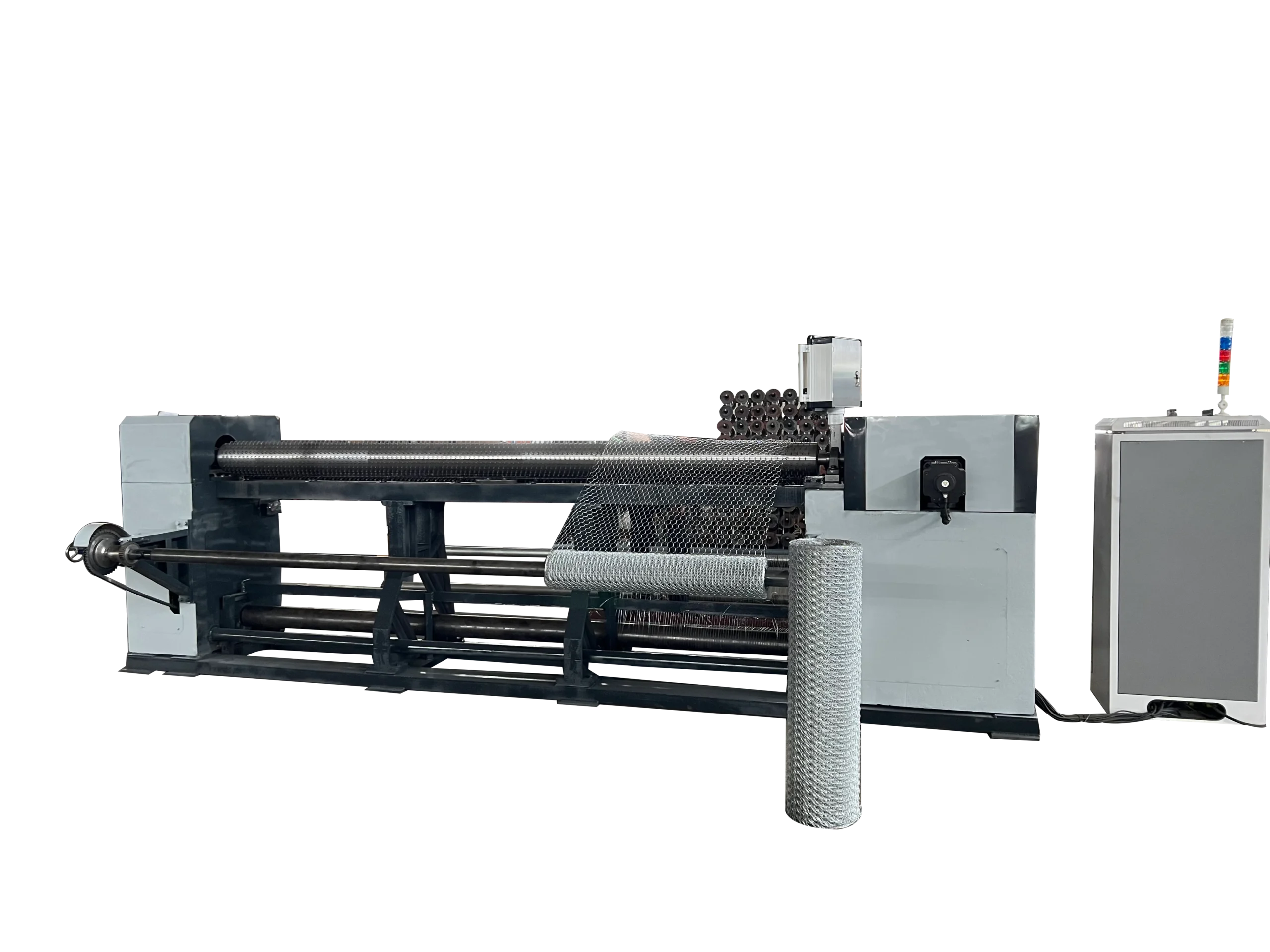
The world relies on robust and efficient fencing solutions for a multitude of applications, from agricultural containment to security perimeters. Central to these solutions is the humble yet versatile chicken wire, and the machines that produce it. A chicken wire machine is more than just a piece of manufacturing equipment; it’s a crucial component in supporting global food production, protecting livestock, and facilitating infrastructure development. Understanding the nuances of these machines – their capabilities, advancements, and future potential – is paramount for businesses and industries worldwide.
The demand for chicken wire is consistently high, driven by factors such as increasing global population, the need for enhanced agricultural practices, and the growing focus on security. The ability to efficiently and reliably produce high-quality chicken wire is therefore a significant economic advantage. Investment in modern chicken wire machines translates directly to increased production capacity, reduced operational costs, and improved product quality, making it a vital consideration for businesses operating in this sector.
Moreover, the evolution of chicken wire machine technology is contributing to more sustainable and environmentally friendly manufacturing processes. New designs prioritize energy efficiency and material optimization, aligning with global initiatives for responsible industrial practices. This makes understanding the latest advancements in chicken wire machine technology not just a business imperative but also an ethical one.
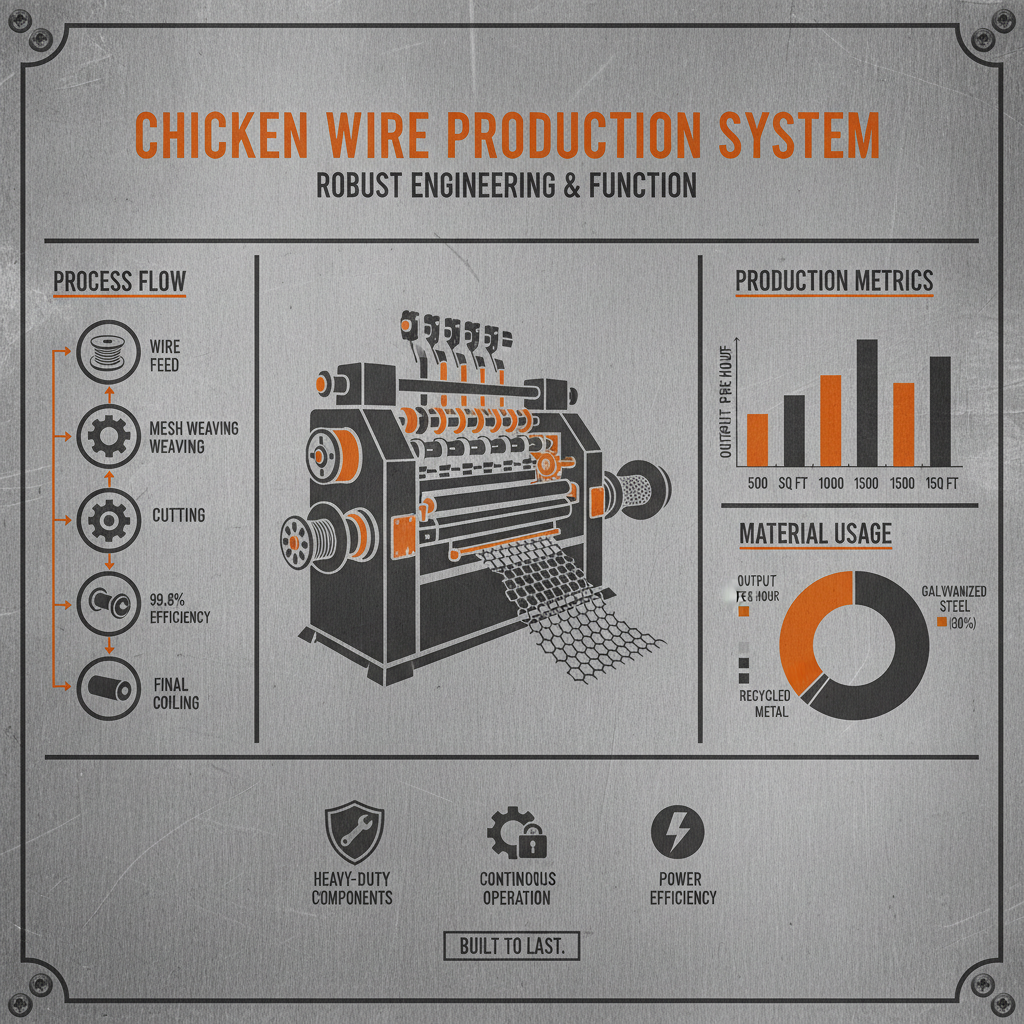
The impact of efficient chicken wire machine technology extends far beyond simply producing fencing. It influences the affordability and accessibility of essential materials used in agriculture, construction, and a myriad of other industries. A reliable supply of chicken wire is crucial for protecting crops from pests, securing livestock, and providing structural support in building projects.
Furthermore, advances in machine design are leading to improved quality control and reduced material waste, making the process more sustainable. The ability to customize wire mesh specifications through sophisticated machinery is also a significant benefit, allowing manufacturers to meet the diverse needs of their clients with precision and efficiency.
With regular maintenance, including consistent lubrication, timely component replacements, and proper operation, a high-quality chicken wire machine can reliably operate for 10-15 years, and often even longer. The lifespan is heavily influenced by the quality of the initial construction, the frequency of use, and the environment in which it operates. Investing in preventative maintenance programs and sourcing genuine replacement parts significantly extends the machine's working life.
Most chicken wire machines are designed to accommodate a wire gauge range of 18-24 gauge. However, it’s crucial to verify the specific specifications of your machine, as some models can handle heavier or lighter gauges. Using wires outside the recommended range can lead to machine damage, inconsistent mesh quality, and reduced production efficiency. Always consult the manufacturer’s guidelines for optimal performance.
Safety is paramount. Operators should always wear appropriate personal protective equipment (PPE), including safety glasses, gloves, and hearing protection. Ensure all safety guards are in place and functioning correctly. Never attempt to clear jams or make adjustments while the machine is running. Regularly inspect the machine for any signs of damage or wear and tear, and immediately address any safety concerns. Proper training is essential.
Minimizing waste involves several strategies. Ensure the wire feeding system is properly calibrated to deliver consistent material flow. Regularly inspect the cutting mechanisms for sharpness and accuracy. Implement a system for collecting and recycling wire scraps. Proper operator training is crucial for recognizing and addressing potential waste sources. Choosing a machine with efficient scrap collection systems can also help.
Regular maintenance is vital. This includes daily lubrication of moving parts, periodic inspection of belts and chains, and regular cleaning to remove dust and debris. Check for loose bolts and tighten as needed. Inspect the electrical components for any signs of damage. Follow the manufacturer’s recommended maintenance schedule for optimal performance and longevity. Keep a detailed maintenance log.
Manual machines require significant operator input and offer lower production rates. Semi-automatic machines automate some processes, reducing labor but still requiring operator oversight. Fully automatic machines are highly automated, maximizing production efficiency with minimal operator intervention. The choice depends on production volume, budget, and available labor. Fully automatic machines typically have higher initial costs but offer lower long-term operating costs.
In conclusion, the chicken wire machine represents a cornerstone of modern fencing and netting production. From its core components to its diverse applications, understanding this technology is crucial for industries ranging from agriculture to construction. Advancements in automation, sustainability, and precision engineering are continually enhancing the efficiency and value of these machines, shaping the future of mesh production.
Looking ahead, continued innovation in materials science and digital control systems will drive further improvements in chicken wire machine performance and functionality. By embracing these advancements and prioritizing sustainable practices, businesses can unlock the full potential of this essential technology, contributing to a more efficient and responsible industrial landscape. Visit our website at www.htmeshmachines.com to learn more about our cutting-edge chicken wire machine solutions.