The demand for efficient and robust solutions in animal husbandry is consistently growing, driven by a rising global population and an increasing need for sustainable food production. At the heart of many modern farming operations lies the chicken mesh machine, a crucial component in creating safe, secure, and hygienic environments for poultry. Understanding the intricacies of these machines – from their core components to their diverse applications – is vital for farmers, agricultural engineers, and policymakers alike.
Globally, the poultry industry is a significant economic force, providing a major source of protein for billions of people. However, effective poultry farming relies heavily on reliable infrastructure, and that includes strong, durable mesh solutions for enclosures. The chicken mesh machine directly addresses the need for cost-effective, scalable, and high-quality mesh production, impacting everything from small-scale family farms to large-scale commercial operations.
The advancements in chicken mesh machine technology have been instrumental in improving animal welfare, reducing disease transmission, and streamlining farm management practices. By offering adaptable and readily deployable solutions, these machines play a key role in addressing food security challenges and promoting sustainable agricultural development worldwide.
The Importance of Chicken Mesh in Modern Agriculture
Chicken mesh is paramount to creating a secure and hygienic environment for poultry, safeguarding against predators and preventing the spread of diseases. The quality and durability of this mesh directly correlate to the health and productivity of the flock. A well-maintained enclosure reduces stress on the birds, leading to improved egg production and meat quality.
The utilization of efficiently produced chicken mesh, made possible by modern chicken mesh machines, has revolutionized poultry farming, contributing to substantial increases in output and improvements in animal welfare standards globally.
Defining the Chicken Mesh Machine
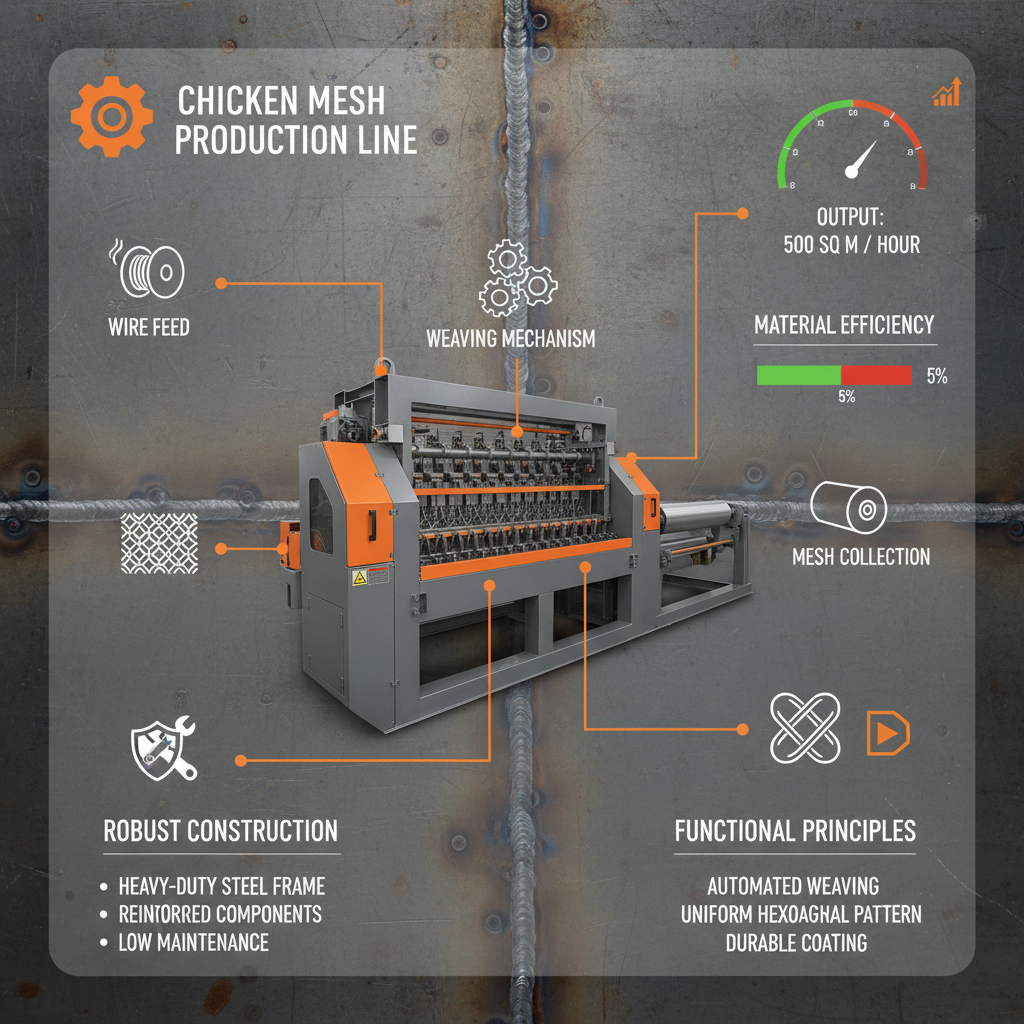
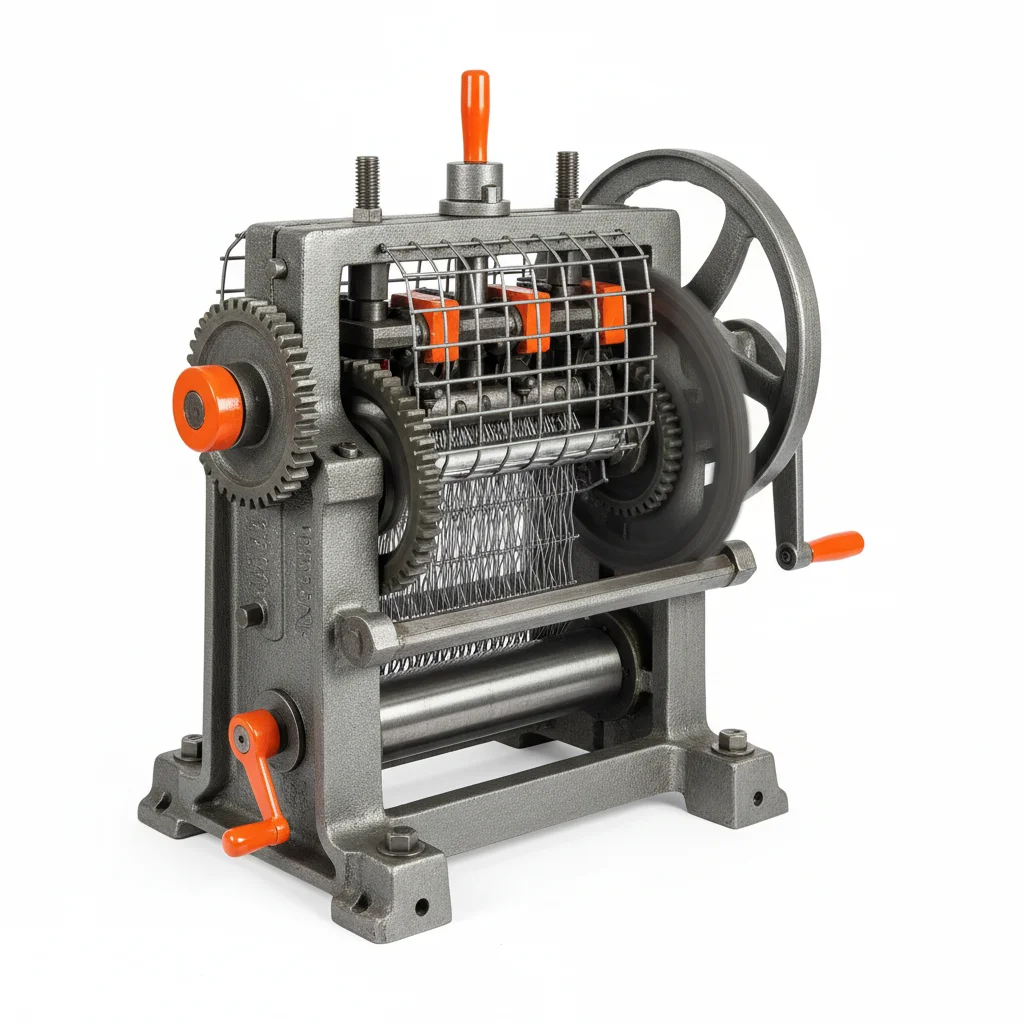
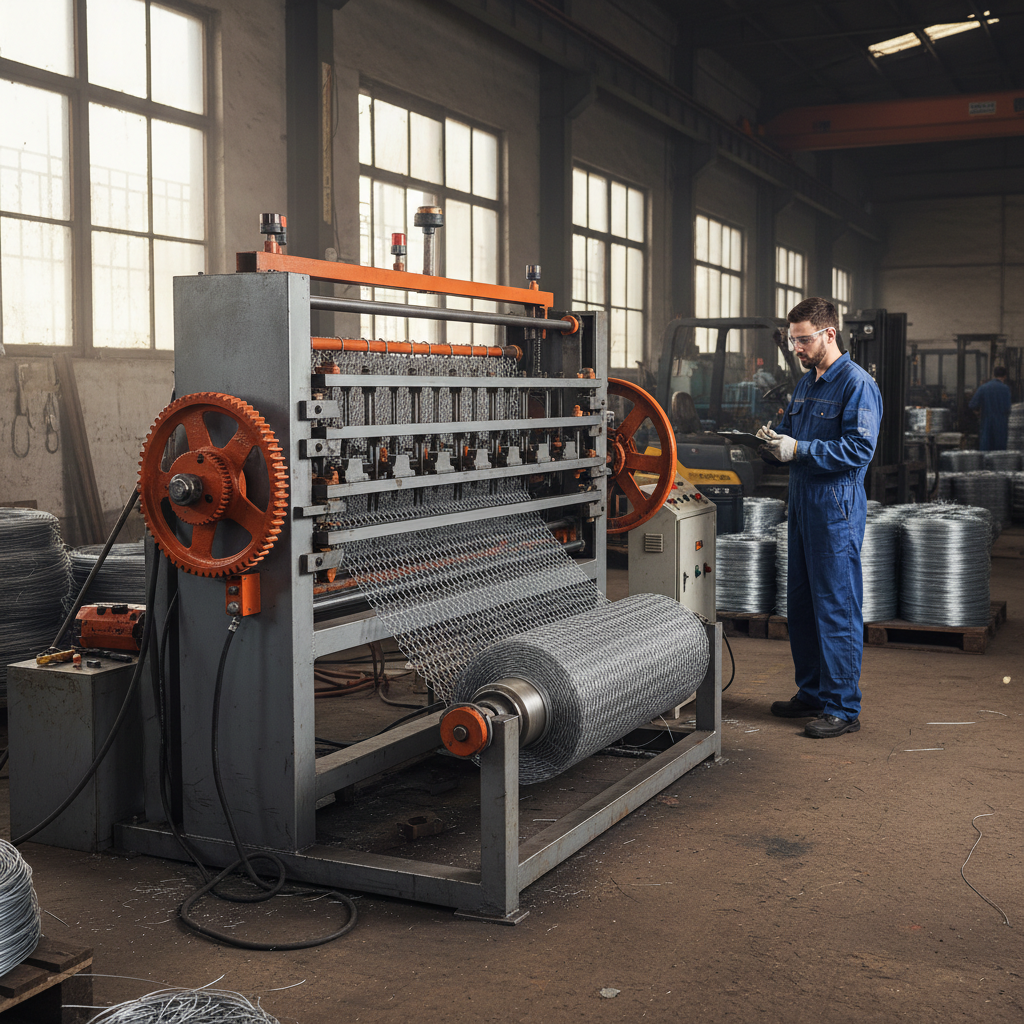
A chicken mesh machine is an automated piece of equipment designed to manufacture wire mesh specifically used for constructing poultry enclosures. These machines take raw wire material – typically galvanized steel, stainless steel, or PVC-coated wire – and transform it into a woven or welded mesh pattern. The mesh size and wire gauge can be adjusted to suit specific needs, such as containing different breeds of chickens or providing varying levels of security.
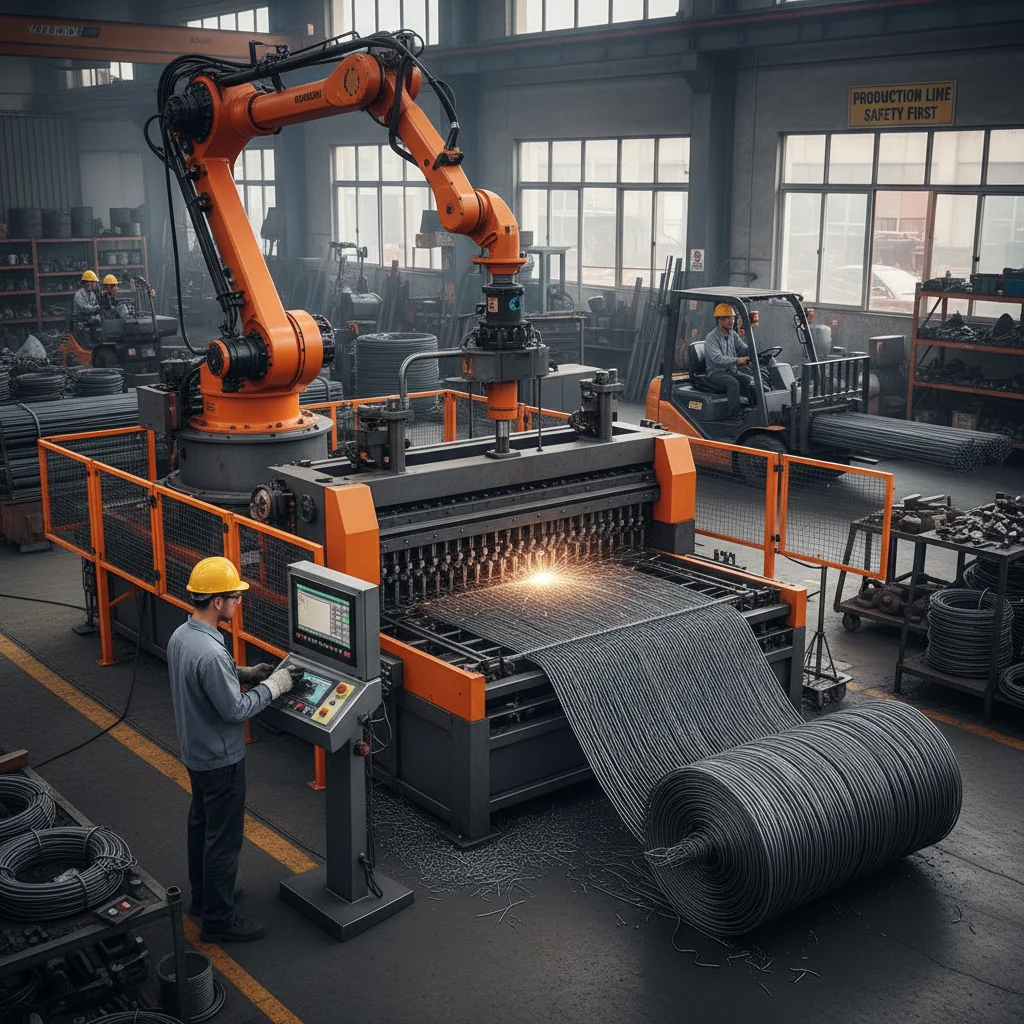
The development of the chicken mesh machine reflects the broader trend towards automation and increased efficiency in modern industrial processes. It enables the mass production of consistent, high-quality mesh, reducing the reliance on manual labor and minimizing waste.
Beyond simple containment, the mesh created plays a vital role in biosecurity, protecting flocks from external contaminants and disease vectors. A robust and properly installed mesh barrier is a foundational element of responsible poultry farming.
Key Factors Influencing Chicken Mesh Machine Performance
Several key factors dictate the overall performance and effectiveness of a chicken mesh machine. These include the machine's build quality, the precision of its components, and the level of automation it offers. Robust construction translates to a longer lifespan and reduced maintenance needs.
The type of wire used is also critical. Galvanized steel offers excellent corrosion resistance, while stainless steel provides superior durability in harsh environments. PVC coating adds an extra layer of protection and can influence the overall aesthetic of the finished mesh. The speed and accuracy of the machine’s wire feeding and weaving/welding mechanisms greatly affect production capacity and the consistency of the mesh’s structure.
Finally, ease of operation and maintenance significantly impact long-term costs and efficiency. User-friendly interfaces and readily accessible components simplify troubleshooting and reduce downtime.
Global Applications and Use Cases
The applications of chicken mesh produced by these machines are incredibly diverse. In industrialized nations, it forms the basis of large-scale poultry farms, providing secure enclosures for thousands of birds. In developing countries, smaller-scale chicken mesh machines empower local farmers to create affordable and effective poultry housing, improving food security.
Beyond standard poultry houses, the mesh is used in creating mobile chicken coops, predator-proof runs, and even specialized enclosures for breeding or quarantine purposes. In post-disaster relief operations, quick-assembly poultry shelters constructed from mesh can provide a vital source of protein for affected communities.
We also see the use of this mesh expanding to other agricultural applications, such as protecting crops from birds and small animals, reinforcing greenhouses, and creating temporary fencing solutions in remote industrial zones.
Chicken Mesh Machine Production Efficiency Comparison
Advantages and Long-Term Value Proposition
Investing in a high-quality chicken mesh machine offers significant advantages. Cost efficiency is paramount – producing mesh in-house eliminates the need to purchase from external suppliers, leading to substantial savings over time. The ability to customize mesh dimensions and specifications provides flexibility to meet unique farming requirements.
Beyond the economic benefits, these machines contribute to improved animal welfare and biosecurity, reducing the risk of disease outbreaks and promoting healthier flocks. This, in turn, enhances the sustainability of poultry farming operations and builds trust with consumers.
Future Trends and Innovations in Mesh Production
The future of chicken mesh machine technology is focused on increased automation, precision, and sustainability. We can expect to see the integration of advanced sensors and AI-powered control systems that optimize production processes and minimize waste. Research into biodegradable or recycled materials for mesh production is also gaining momentum.
Digitalization will play a key role, with machines becoming increasingly connected and capable of remote monitoring and diagnostics. This will enable proactive maintenance, reduce downtime, and improve overall operational efficiency.
Challenges and Solutions in Chicken Mesh Machine Operation
One of the primary challenges in operating these machines is maintaining consistent wire tension and alignment to ensure a uniform mesh structure. Solutions involve utilizing advanced tension control systems and implementing regular calibration procedures.
Another common issue is wear and tear on key components, such as dies and weaving/welding elements. Employing high-quality materials and implementing a preventative maintenance schedule can significantly extend the lifespan of these components.
Finally, operator training is crucial. Well-trained personnel are better equipped to identify and address potential problems, optimize machine performance, and ensure the production of consistently high-quality mesh.
Summarizing Key Operational Considerations for Chicken Mesh Machines
| Operational Area | Key Challenge | Potential Solution | Impact on Mesh Quality |
|---|
| Wire Feeding | Inconsistent wire delivery | Automated tension control & regular cleaning | Uneven mesh density |
| Weaving/Welding | Misalignment of wires | Precision alignment guides & frequent calibration | Weakened mesh structure |
| Component Wear | Rapid deterioration of dies | High-grade material selection & scheduled replacements | Irregular mesh pattern |
| Operator Skill | Lack of troubleshooting knowledge | Comprehensive training program & detailed manuals | Increased defect rate |
| Maintenance | Neglecting lubrication points | Automated lubrication systems & regular inspections | Reduced machine lifespan |
| Quality Control | Insufficient mesh inspection | Automated defect detection & manual visual checks | Substandard final product |
FAQS
The lifespan of a chicken mesh machine varies greatly depending on its build quality, usage intensity, and maintenance schedule. High-end machines, with regular servicing and proper operation, can last 15-20 years. However, cheaper models may only last 5-10 years. Consistent lubrication, component replacement, and preventative maintenance are crucial for maximizing lifespan.
Galvanized steel wire is the most common choice due to its excellent corrosion resistance and affordability. However, stainless steel wire offers superior durability and is ideal for harsh environments. PVC-coated wire provides additional protection and can be customized in various colors. The best choice depends on the specific application and budget.
Regular maintenance includes lubrication of moving parts, inspection and replacement of worn dies and weaving/welding components, cleaning of wire feeding mechanisms, and calibration of tension control systems. A preventative maintenance schedule, as recommended by the manufacturer, is crucial for avoiding costly breakdowns and ensuring consistent performance.
Automation significantly increases the production rate of chicken mesh. Automated wire feeding, weaving/welding, and cutting systems can produce mesh much faster and more consistently than manual methods. Modern machines with advanced control systems can achieve production rates of up to 80 units per hour, depending on the mesh size and wire gauge.
Safety precautions include wearing appropriate personal protective equipment (PPE) such as safety glasses and gloves, ensuring the machine is properly grounded, and following all manufacturer’s safety guidelines. Operators should be thoroughly trained on safe operation procedures and emergency shutdown protocols. Regularly inspect safety guards and interlocks to ensure they are functioning correctly.
The cost of a chicken mesh machine varies considerably depending on its size, automation level, and features. Smaller, manual machines can cost between $5,000 and $15,000. Larger, fully automated machines can range from $30,000 to $100,000 or more. Consider your production needs and budget when selecting a machine.
Conclusion
In conclusion, the chicken mesh machine represents a vital piece of technology in modern agriculture, enabling efficient, cost-effective, and sustainable poultry farming. Its role in ensuring food security, improving animal welfare, and enhancing biosecurity is undeniable. From small-scale farms to large industrial operations, these machines empower producers to meet the growing global demand for poultry products.
As we look to the future, continued innovation in automation, materials science, and digitalization will further enhance the performance and capabilities of these machines. Investing in high-quality equipment, prioritizing preventative maintenance, and embracing best practices will be key to maximizing long-term value and building a more resilient and sustainable poultry industry. Visit our website at www.htmeshmachines.com to explore our range of solutions.