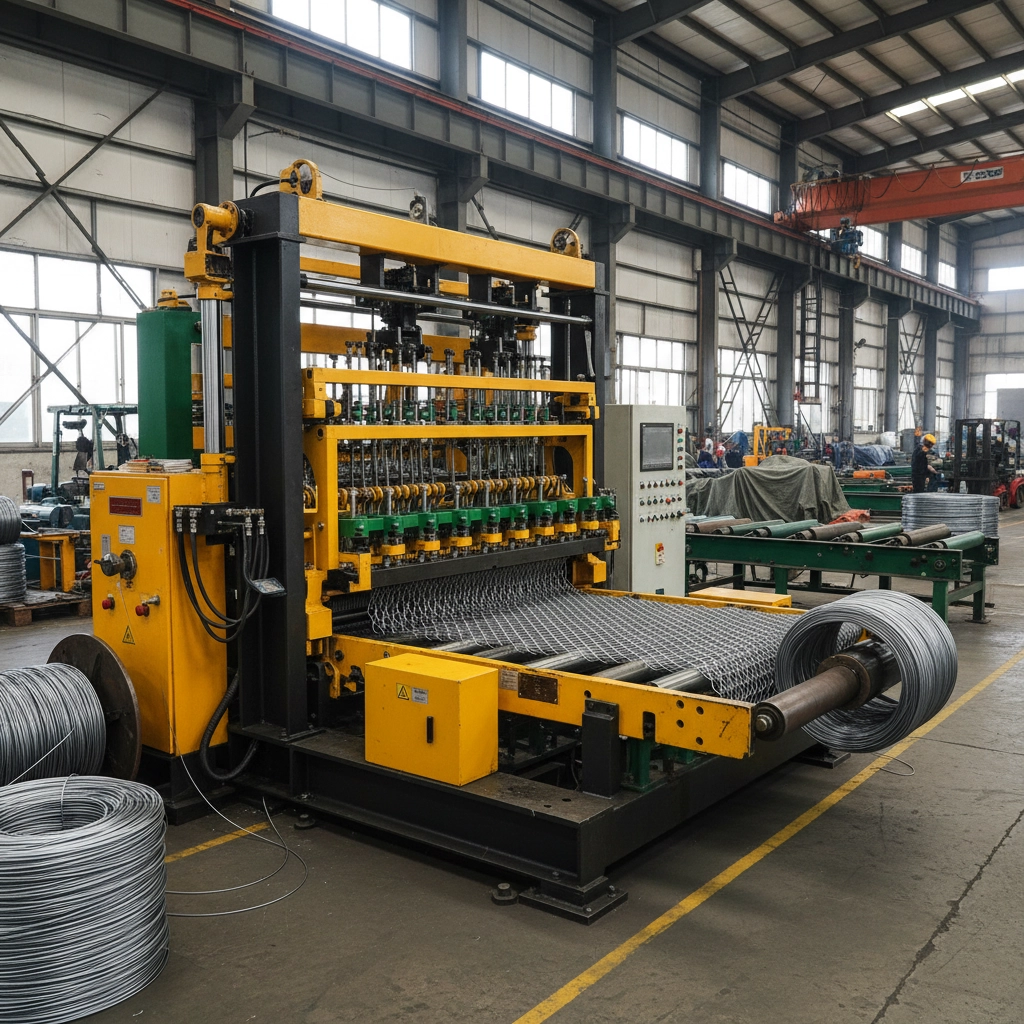
In the realm of modern civil engineering and erosion control, the gabion wire mesh machine stands as a cornerstone of industrial production. These specialized machines are designed to weave high-strength, durable wire cages that are subsequently filled with stone, providing a sustainable and flexible solution for retaining walls, riverbank stabilization, and coastal defense systems. As global infrastructure projects pivot toward "green" engineering, the demand for precision-engineered gabion baskets has surged, making the machinery behind them more critical than ever.
The global shift toward sustainable urban development and disaster risk reduction has placed a spotlight on the efficiency of the gabion wire mesh machine. By automating the weaving process, these machines ensure that the resulting mesh meets strict international standards for tensile strength and corrosion resistance. This is particularly vital for large-scale government projects where the failure of a retaining wall could lead to significant economic loss or environmental damage, highlighting the need for reliable manufacturing equipment.
Understanding the nuances of a gabion wire mesh machine is not merely about technical specifications; it is about maximizing operational throughput while minimizing waste. From the selection of galvanized or PVC-coated wires to the synchronization of the weaving heads, every detail impacts the final quality of the gabion product. For manufacturers, investing in the right machinery means bridging the gap between manual labor limitations and the high-volume requirements of the modern construction industry.
Global Relevance of the Gabion Wire Mesh Machine
The global demand for soil stabilization and flood prevention has catapulted the gabion wire mesh machine from a niche industrial tool to a critical piece of infrastructure equipment. With increasing volatility in weather patterns and the rise of sea levels, the World Bank and various ISO-certified engineering bodies have emphasized the use of permeable structures like gabions. These structures allow water to flow through while retaining soil, a feat that traditional concrete walls cannot achieve without expensive drainage systems.
Consequently, the production capacity of the gabion wire mesh machine directly influences the speed at which regions can implement emergency riverbank protection and landslide prevention. In developing economies, where budget constraints are tight, the ability to produce standardized, high-quality wire mesh locally reduces import costs and accelerates the deployment of life-saving infrastructure.
Defining the Mechanics of Gabion Mesh Production
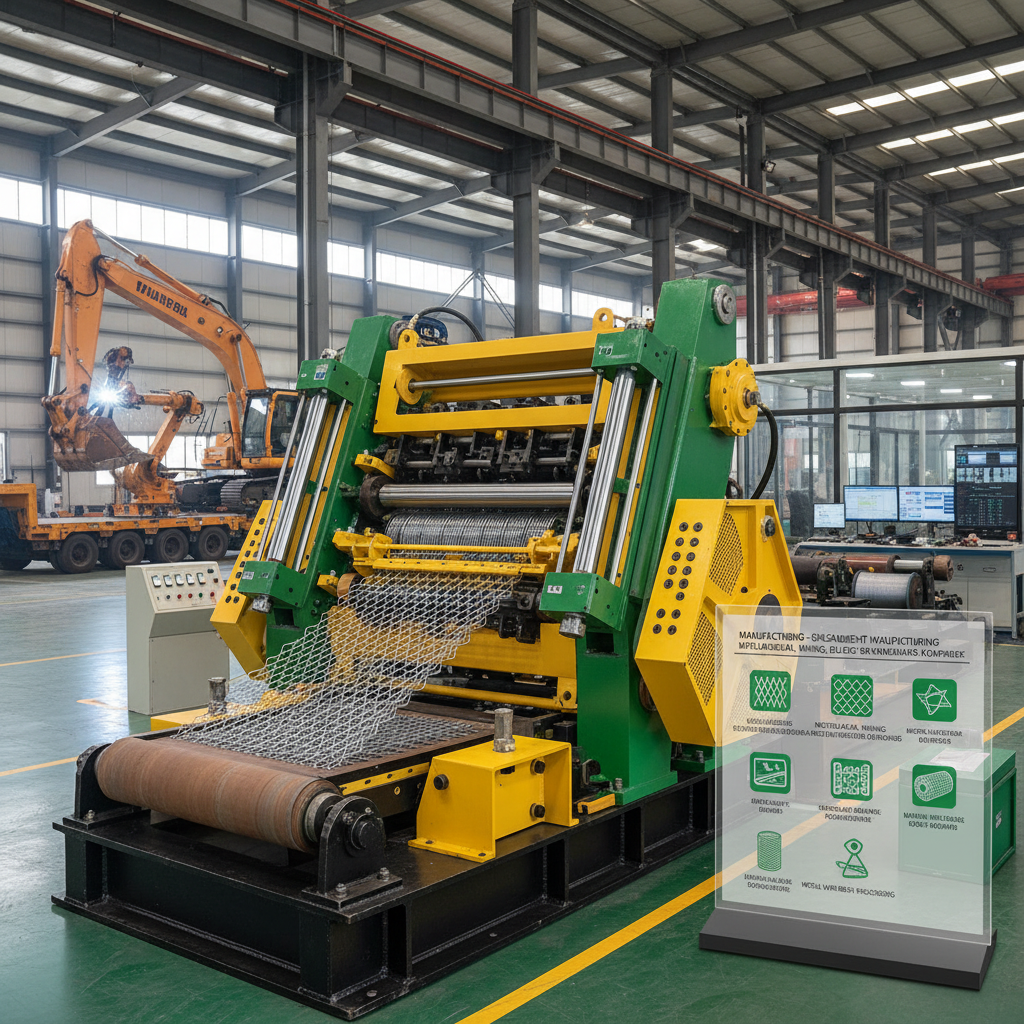
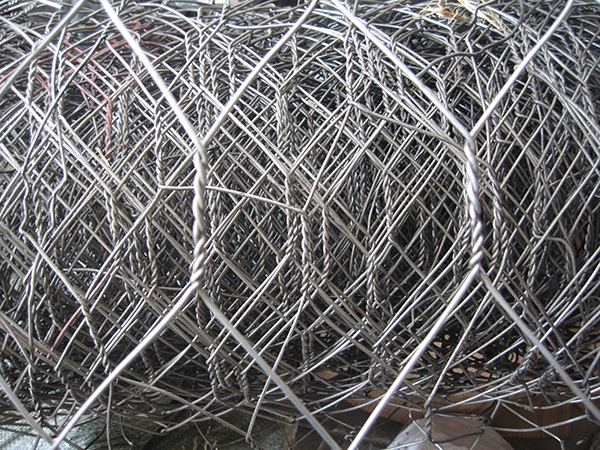
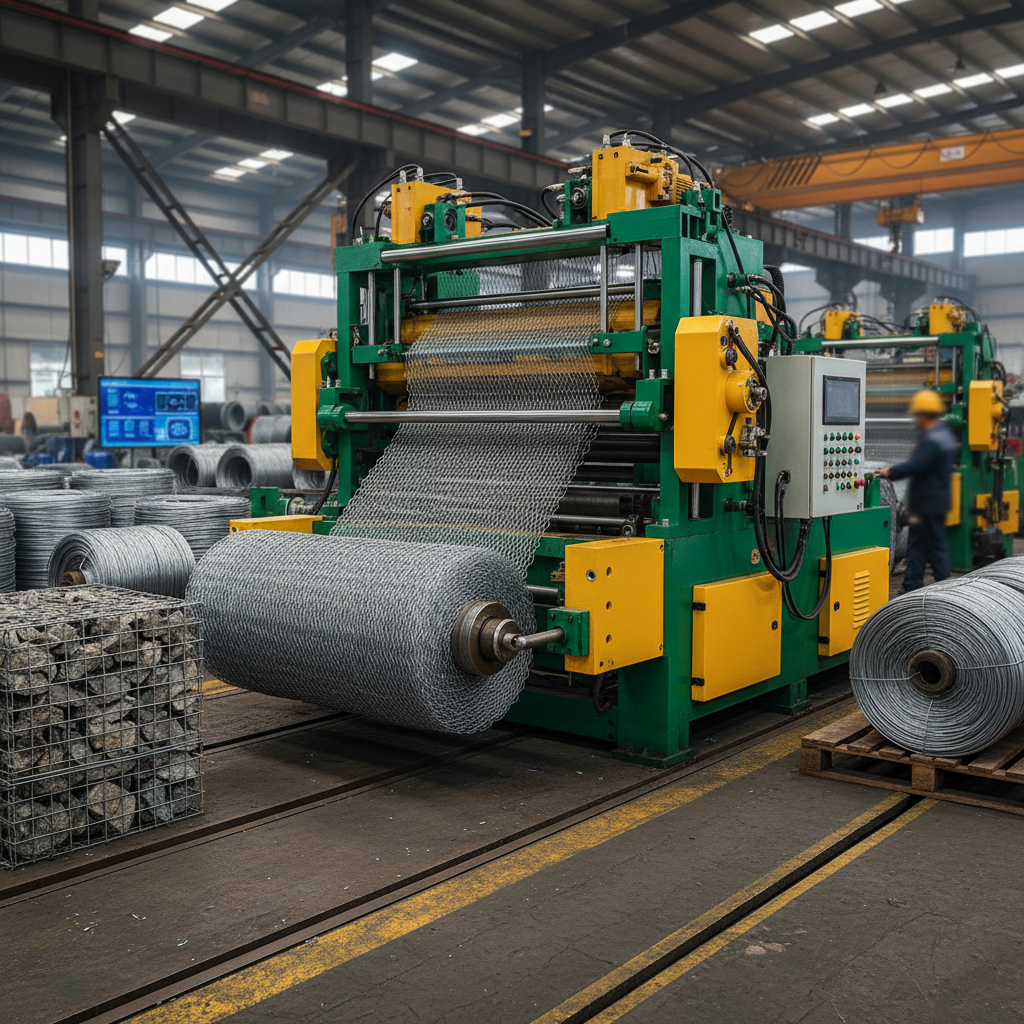
At its core, a gabion wire mesh machine is a precision weaving system designed to create a double-twisted hexagonal mesh. Unlike standard welded mesh, the double-twist mechanism ensures that if one wire is broken, the mesh does not unravel. This unique structural integrity is what makes gabions ideal for high-stress environments, such as steep mountain slopes or high-velocity river channels.
Modern industrial versions of these machines integrate advanced PLC (Programmable Logic Controller) systems to manage the tension and speed of the wire feed. This ensures that the mesh remains consistent across thousands of meters of production. The connection to humanitarian needs is evident in disaster-prone regions where rapid deployment of erosion control is required to protect villages from flash floods.
From a technical perspective, the machine transforms raw galvanized or stainless steel wire into a flexible fabric. This fabric is then cut and sewn into baskets. The synergy between the gabion wire mesh machine and the subsequent assembly process defines the overall efficiency of the supply chain in the construction materials sector.
Core Components for Maximum Machine Efficiency
To achieve industrial-grade output, a gabion wire mesh machine must prioritize structural durability. The frame is typically constructed from heavy-duty reinforced steel to minimize vibrations during high-speed weaving, which prevents deviations in the hexagonal pattern.
Scalability is another critical factor; the most effective gabion wire mesh machine models allow for adjustable mesh sizes. This flexibility enables manufacturers to switch between lightweight decorative baskets and heavy-duty industrial cages without requiring a complete machine overhaul.
Finally, cost efficiency is driven by the machine's ability to handle various coatings. Whether using hot-dipped galvanized wire or a thick PVC layer for saltwater environments, a high-performance gabion wire mesh machine maintains consistent tension, reducing material waste and lowering the cost per square meter of produced mesh.
Global Applications and Use Case Analysis
The output of a gabion wire mesh machine is utilized across diverse landscapes. In the European Alps, gabion baskets are frequently used for slope stabilization to prevent rockfalls on highways. In Southeast Asia, they are essential for protecting riverbanks against the seasonal intensity of monsoon rains, where the permeability of the mesh prevents the buildup of hydrostatic pressure.
Beyond civil engineering, these machines serve the landscaping industry in urban centers like Singapore and Dubai. Here, the aesthetic appeal of stone-filled baskets is combined with functional noise barriers and seating. The ability of a gabion wire mesh machine to produce various mesh gauges allows for a transition from heavy industrial use to refined architectural applications.
Performance Analysis of Gabion Production Methods
Long-Term Economic and Environmental Value
Investing in a high-quality gabion wire mesh machine offers tangible long-term economic benefits. By reducing the reliance on concrete—a major contributor to global CO2 emissions—gabion structures promote a "circular economy." The stone used to fill the baskets is often sourced locally, reducing transportation costs and carbon footprints.
Furthermore, the reliability of the mesh produced by a professional gabion wire mesh machine ensures that structures have a lifespan of decades. This reduces the frequency of repairs and the need for total reconstructions, providing a sense of safety and trust for community leaders and urban planners who depend on these barriers for protection.
Future Trends in Automated Wire Weaving
The future of the gabion wire mesh machine is inextricably linked to the digital transformation of the manufacturing sector. We are seeing a shift toward "Industry 4.0," where machines are equipped with IoT sensors that can predict wear and tear on the weaving needles before a failure occurs. This predictive maintenance minimizes downtime and ensures a steady supply of mesh for urgent projects.
Sustainability is also driving innovation in materials. New gabion wire mesh machine models are being optimized to handle composite wires and recycled steel, further lowering the environmental impact. The integration of AI-driven quality control systems can now detect microscopic flaws in the weave in real-time, automatically rejecting sub-standard sections.
Additionally, the move toward modularity means that future machines will likely be more compact and mobile. This could allow manufacturers to bring the gabion wire mesh machine closer to the site of large-scale projects, drastically reducing the logistics costs associated with transporting bulky wire rolls.
Overcoming Technical Challenges in Manufacturing
One of the primary challenges in operating a gabion wire mesh machine is maintaining uniform tension across the weave. If the tension fluctuates, the hexagonal cells become irregular, which compromises the structural integrity of the final basket. Expert operators overcome this by implementing precision tension-control braking systems and conducting regular calibration of the feed rollers.
Another common limitation is the wear on weaving components caused by the abrasive nature of galvanized coatings. To solve this, leading manufacturers are utilizing tungsten carbide tips and specialized lubrication systems that extend the life of the machine's moving parts. This transition from standard steel to high-hardened alloys is crucial for maintaining high-volume production cycles.
Finally, the complexity of training operators to handle different wire gauges can be a bottleneck. The solution lies in the adoption of intuitive HMI (Human Machine Interface) touchscreens. By simplifying the setup process, the gabion wire mesh machine becomes more accessible, allowing for faster transitions between different product specifications.
Comparative Analysis of Gabion Mesh Manufacturing Standards
| Machine Grade |
Weaving Precision |
Material Compatibility |
Maintenance Interval |
| Entry-Level |
Moderate (±2mm) |
Galvanized Only |
Bi-Weekly |
| Industrial Standard |
High (±1mm) |
Galvanized & PVC |
Monthly |
| Premium PLC |
Ultra-High (±0.5mm) |
All Alloy Types |
Quarterly |
| Customized Heavy-Duty |
High (±1mm) |
Thick Gauge Wire |
Monthly |
| Eco-Series |
High (±1mm) |
Recycled Steel |
Monthly |
| Precision Lab Grade |
Exact (±0.1mm) |
Specialty Alloys |
Bi-Monthly |
FAQS
A gabion wire mesh machine specifically produces a double-twisted hexagonal weave, which is designed to be structurally independent—meaning a break in one wire won't cause the whole mesh to unravel. In contrast, chain link machines produce a diamond-shaped pattern where wires are intertwined but not double-twisted, making them suitable for fencing but not for heavy-duty stone containment.
Yes, most professional-grade machines are designed with adjustable parameters. By changing the guiding rollers and adjusting the PLC settings, operators can modify the hexagonal cell size to meet specific project requirements, ranging from small decorative meshes to large industrial-scale cages.
With proper maintenance, a high-quality industrial machine can last 10 to 15 years. The key is the regular replacement of wear parts—such as the weaving needles and bearings—and the use of high-grade lubricants to prevent friction-related damage during continuous operation.
Absolutely. Modern gabion wire mesh machines are engineered to handle PVC-coated wires, which are essential for projects in corrosive saltwater environments. The machines use specialized tensioners to ensure the plastic coating is not stripped or damaged during the weaving process.
To meet standards like ASTM or EN, you must use a machine that provides consistent tension and precise weaving. We recommend integrating a digital monitoring system and performing regular pull-tests on the finished mesh to verify tensile strength and joint stability.
When importing, ensure the machine is packed in vacuum-sealed, moisture-proof crates to prevent corrosion during sea transit. It is also advisable to purchase a "spare parts kit" including needles and belts to avoid production delays while waiting for international shipments.
Conclusion
The gabion wire mesh machine is far more than a piece of industrial hardware; it is the engine that drives sustainable infrastructure worldwide. By combining mechanical precision with the versatility of steel and stone, these machines enable the creation of barriers that protect our coastlines, stabilize our mountains, and reduce our reliance on carbon-heavy concrete. From the technical rigor of double-twisted weaving to the integration of IoT-driven maintenance, the evolution of this machinery reflects a broader commitment to engineering excellence and environmental stewardship.
As we look toward a future defined by climate resilience, the importance of efficient and reliable mesh production will only grow. Manufacturers who invest in advanced, automated weaving technology will not only see a boost in their bottom line through increased throughput but will also contribute to a safer, more sustainable built environment. For those seeking to enter or expand in this critical market, prioritizing precision and scalability is the key to long-term success. Visit our website for more information: www.htmeshmachines.com