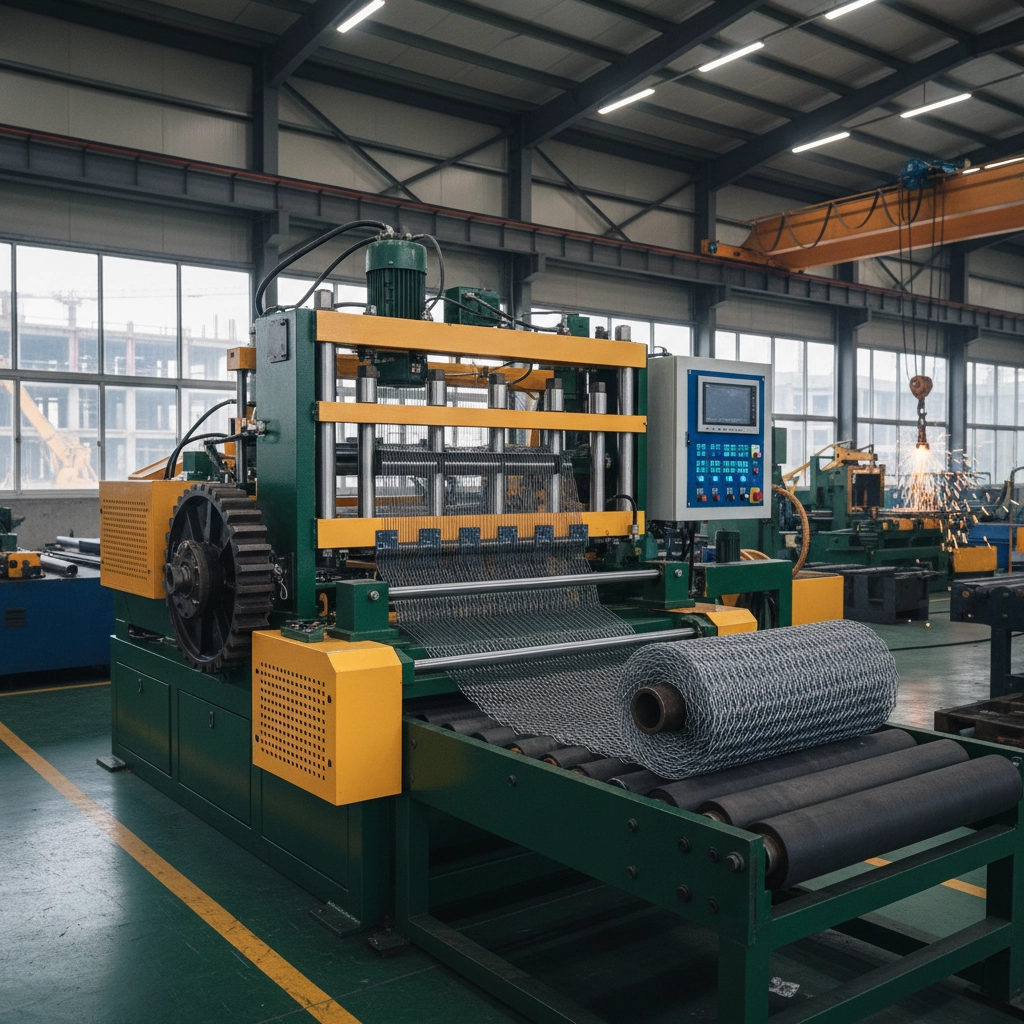
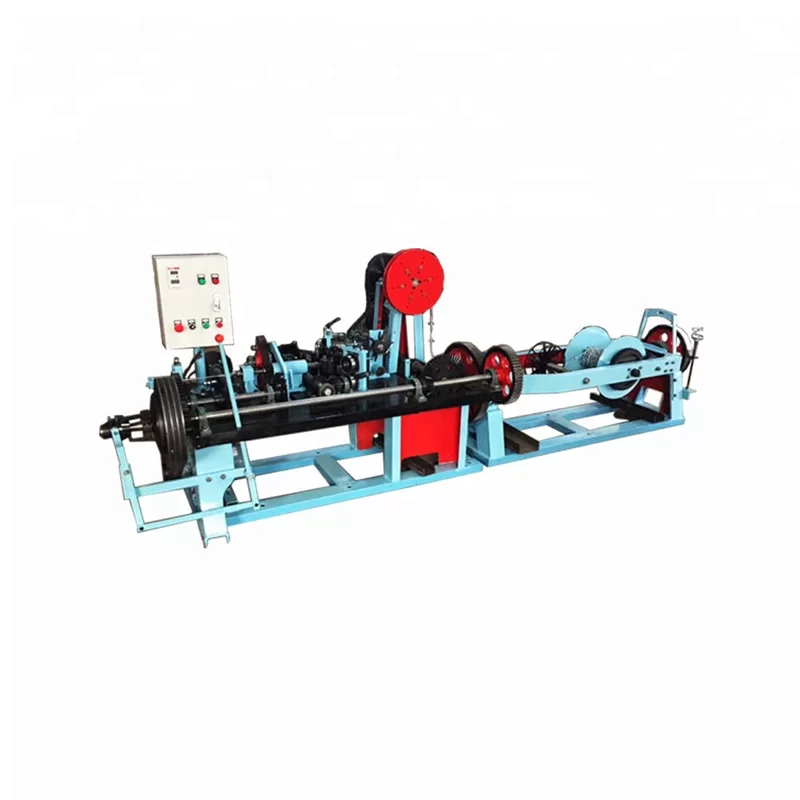
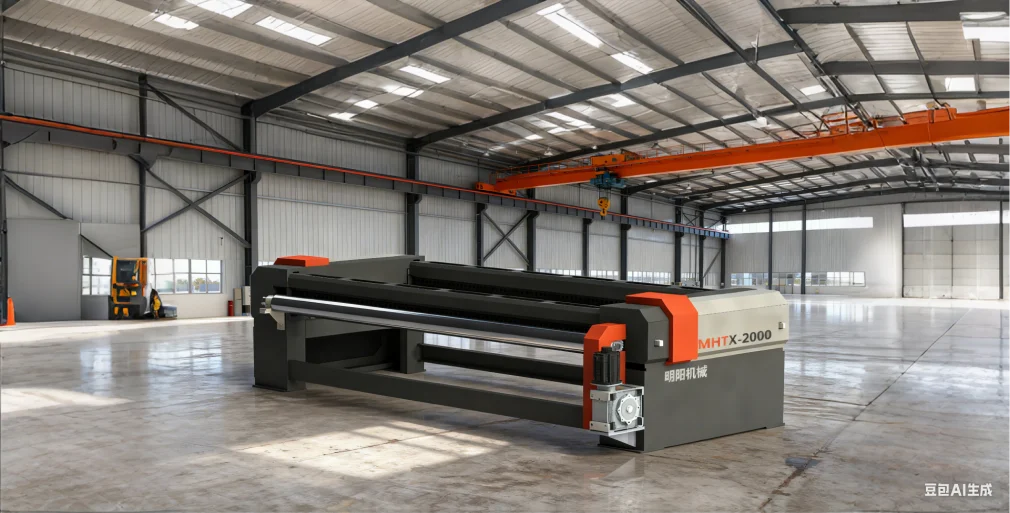
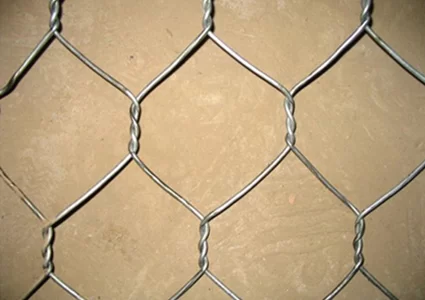
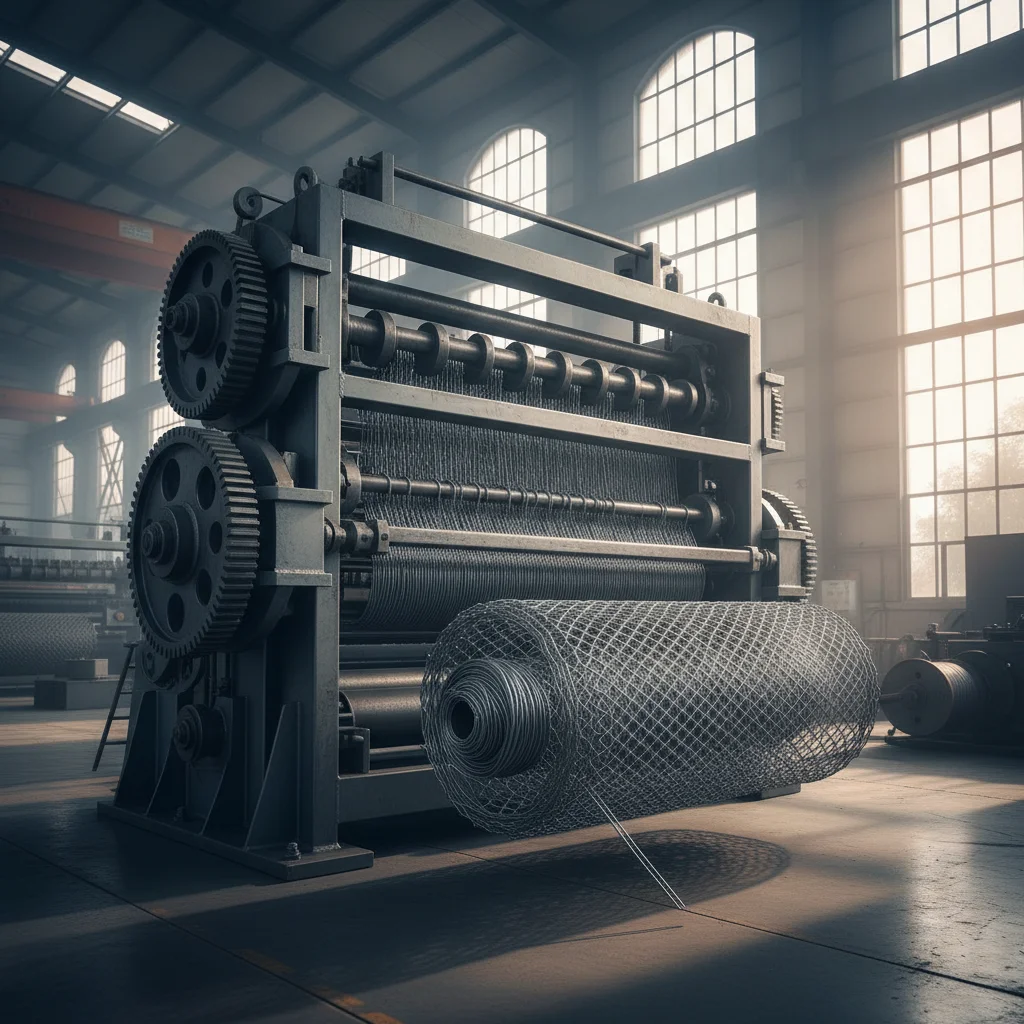
The production of poultry enclosures, civil engineering reinforcements, and specialized industrial filters relies heavily on the precision of a hexagonal wire mesh machine. These machines are engineered to twist and weave galvanized or stainless steel wires into the iconic honeycomb structure, which offers a unique balance of flexibility and structural integrity. By automating the twisting process, these systems ensure that every mesh opening is uniform, reducing waste and increasing the overall durability of the finished product.
In the global marketplace, the demand for high-quality wire fencing and gabion baskets has surged, driving the evolution of the hexagonal wire mesh machine from manual operations to fully automated high-speed systems. This shift is not merely about speed; it is about achieving tighter tolerances and consistent tension across thousands of meters of mesh. Whether for agricultural boundaries or erosion control in mountainous regions, the quality of the weave determines the lifespan of the installation.
Understanding the technical nuances of these machines allows manufacturers to optimize their production lines and reduce operational costs. From selecting the right wire gauge to adjusting the twisting pitch, the versatility of a modern hexagonal wire mesh machine enables the creation of everything from light-duty chicken wire to heavy-duty industrial barriers. This guide explores the mechanics, applications, and future trends of this essential machinery in the metallurgical and equipment manufacturing sector.
The Fundamental Mechanics of Hexagonal Wire Mesh Machines
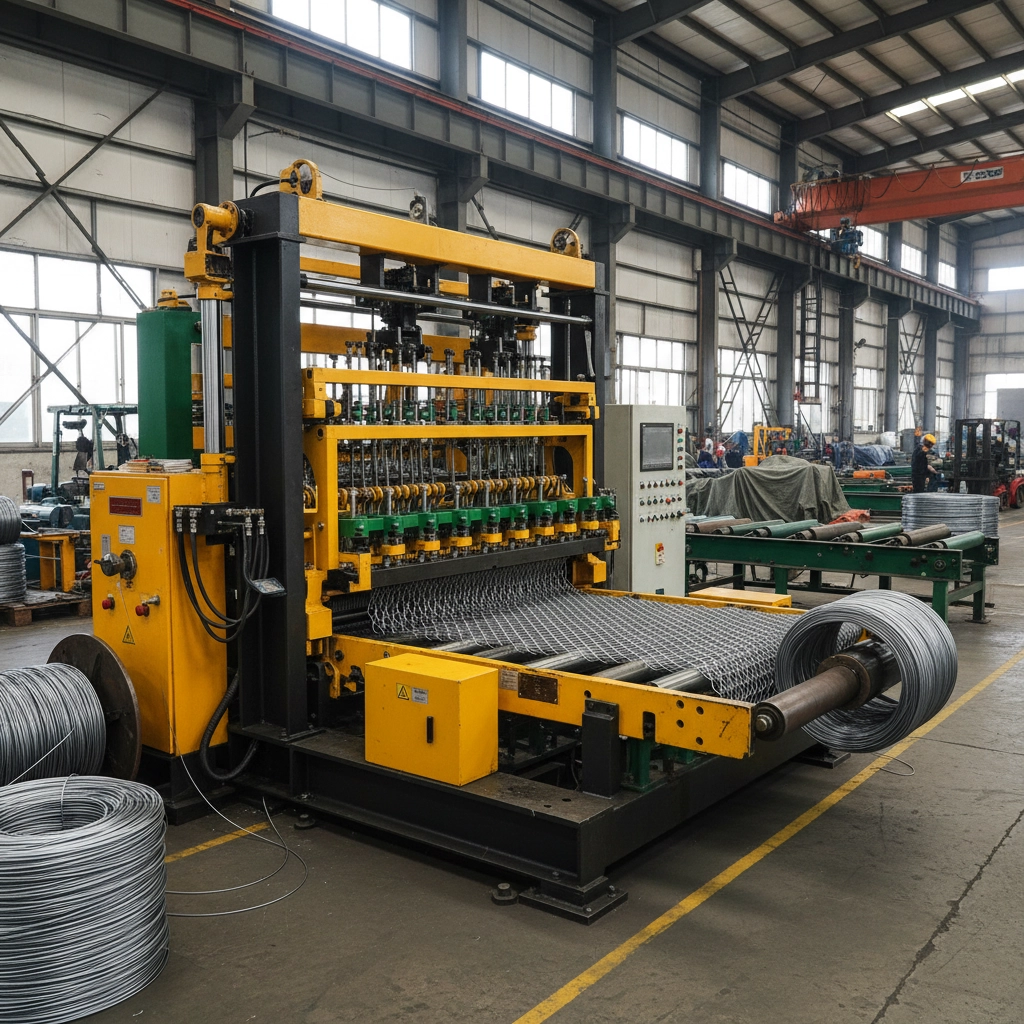
A hexagonal wire mesh machine operates on the principle of synchronized twisting and pulling. Unlike square mesh weaving, which uses a warp and weft system, the hexagonal machine twists two parallel wires around each other at specific intervals. This twisting creates a series of interlocking loops that naturally form a six-sided polygon. This geometric configuration is highly valued because it allows the mesh to stretch and conform to uneven surfaces without losing its structural integrity.
The precision of this process is governed by the machine's gearing and tension control systems. By modulating the speed of the drive rollers relative to the twisting head, operators can change the size of the hexagons—from small, tight apertures for bird netting to larger openings for gabion rocks. This versatility makes the hexagonal wire mesh machine an indispensable tool for manufacturers targeting multiple market segments simultaneously.
Global Market Demand and Industrial Context
The global infrastructure boom, particularly in developing regions, has placed a significant spotlight on the output of the hexagonal wire mesh machine. From the stabilization of riverbanks in Southeast Asia to the construction of perimeter security fences in North America, the demand for hexagonal mesh is driven by its cost-effectiveness and reliability. ISO standards for wire diameter and coating thickness have pushed manufacturers to invest in higher-precision machinery to maintain export competitiveness.
Historically, wire mesh production was a labor-intensive process fraught with inconsistencies. However, the integration of PLC (Programmable Logic Controller) systems into the hexagonal wire mesh machine has eliminated human error in the twisting phase. This technological leap has allowed companies to scale production from a few hundred meters per day to several kilometers, meeting the rigorous demands of international civil engineering projects.
Current challenges in the industry include the volatility of raw steel prices and the push for more environmentally friendly coatings. Consequently, the modern hexagonal wire mesh machine is being designed to handle a wider variety of materials, including PVC-coated wires and recycled alloys, ensuring that the resulting mesh is not only strong but also resistant to corrosion in harsh saline or acidic environments.
Key Technical Components for Maximum Efficiency
To achieve peak performance, a hexagonal wire mesh machine must possess a high-torque motor and a robust transmission system. The motor ensures that the heavy-gauge wire is pulled through the twisting heads without slipping, while the transmission maintains the exact timing required to form perfect hexagonal shapes. Any deviation in timing can result in distorted mesh holes, rendering the product unusable for high-precision engineering.
The twisting head is the heart of the hexagonal wire mesh machine. Crafted from tungsten carbide or high-grade hardened steel, these components must withstand immense friction and pressure. Regular calibration of the twisting head is essential to prevent wire fatigue or snapping, which can cause costly downtime in a high-volume production environment.
Finally, the automatic tensioning system plays a critical role in maintaining the quality of the hexagonal wire mesh machine's output. By utilizing sensors that detect wire slack in real-time, the machine can automatically adjust the payout speed from the wire spools. This prevents the mesh from bunching or stretching unevenly, ensuring a professional-grade finish that meets strict industrial tolerances.
Operational Performance and Productivity Analysis
Analyzing the throughput of a hexagonal wire mesh machine involves looking at the relationship between wire diameter, twist pitch, and linear speed. High-speed models can produce an impressive volume of mesh, but the priority must always remain on the "twist density." If a machine runs too fast without adequate tension, the hexagonal bonds may loosen, compromising the overall strength of the fence or gabion.
When comparing different operational modes, it becomes clear that automation significantly reduces the cost per meter. A fully automated hexagonal wire mesh machine requires fewer operators and produces significantly less scrap metal than semi-automatic versions, directly impacting the bottom line of the manufacturing plant.
Performance Comparison of Hexagonal Wire Mesh Machine Models
Diverse Global Applications and Use Cases
The output of a hexagonal wire mesh machine is utilized in a vast array of critical sectors. In agricultural management, it is the primary method for creating livestock enclosures that are lightweight yet capable of deterring predators. In the realm of civil engineering, these machines produce the heavy-duty mesh used for gabions—wire cages filled with rocks—which are essential for preventing soil erosion along coastlines and highway embankments.
Beyond construction, specialized hexagonal wire mesh machine setups are used to create fine-gauge screens for industrial filtration and aerospace components. In post-disaster relief, rapid-deployment fencing produced by these machines is often used to secure temporary camps or organize logistics hubs, proving that the utility of the hexagonal weave extends from permanent infrastructure to emergency humanitarian aid.
Long-Term Economic Value and Sustainability
Investing in a high-quality hexagonal wire mesh machine provides long-term value through decreased waste and increased product lifespan. Because the hexagonal structure distributes stress more evenly than square grids, the resulting mesh is less likely to fail under pressure, reducing the need for frequent replacements and lowering the lifetime cost for the end-user.
From a sustainability perspective, the ability of the hexagonal wire mesh machine to work with galvanized and stainless steel ensures that the products are fully recyclable. Modern machines are also becoming more energy-efficient, utilizing regenerative braking and low-friction components to reduce the carbon footprint of the manufacturing process.
Ultimately, the reliability of the machinery translates into trust for the brand. A manufacturer who can guarantee a consistent mesh size and strong twist across every roll of fencing can command a premium price in the market. The logical transition to automation via the hexagonal wire mesh machine is therefore not just a technical upgrade, but a strategic business move toward stability and growth.
Future Innovations in Automated Weaving Technology
The next generation of the hexagonal wire mesh machine will likely be defined by the integration of AI-driven quality control. Imagine a system where high-speed cameras scan the mesh in real-time, detecting a single loose twist or a wire flaw and automatically adjusting the machine's parameters or pausing production to prevent a defective batch. This level of "Industry 4.0" integration will minimize material waste to near zero.
We are also seeing a trend toward "Hybrid Weaving," where a hexagonal wire mesh machine can switch between different mesh geometries (e.g., from hexagonal to reverse hexagonal) with a simple software command rather than a physical gear change. This agility will allow factories to respond to custom orders almost instantaneously, drastically reducing lead times.
Furthermore, the development of new composite wires—combining steel with polymer cores—will require the hexagonal wire mesh machine to handle materials with different elasticity and friction coefficients. This will open new markets in extreme-environment fencing, such as deep-sea exploration or Arctic perimeter security, where traditional steel would either corrode or become brittle.
Comparative Analysis of Hexagonal Wire Mesh Machine Technology Tiers
| Technology Level |
Automation Degree |
Material Versatility |
Typical ROI Period |
| Entry-Level Manual |
Low (Manual Feed) |
Soft Steel Only |
6-12 Months |
| Semi-Automated |
Medium (Auto Twist) |
Galvanized Steel |
12-18 Months |
| PLC Standard |
High (Full Logic) |
Multi-alloy Support |
18-24 Months |
| High-Speed Industrial |
Very High (Sync) |
Stainless & PVC |
24-36 Months |
| AI-Integrated |
Autonomous (Self-Adj) |
Composite Wires |
36-48 Months |
| Custom Precision |
Ultra-High (Nano) |
Specialty Alloys |
Custom Basis |
FAQS
Choosing the wire gauge depends on your target application. For poultry netting, a thinner gauge (e.g., 0.5mm - 1.2mm) is ideal for flexibility. For gabions or civil engineering, you need a heavy-duty hexagonal wire mesh machine capable of handling 2.0mm to 4.0mm wires. Always check the machine's maximum wire capacity to avoid overloading the twisting heads and causing premature wear.
Yes, most modern hexagonal wire mesh machine models allow for adjustable mesh sizes. This is typically achieved by changing the gearing ratio or adjusting the twisting pitch through the PLC interface. Higher-end machines offer "quick-change" settings that allow operators to switch from small to large hexagons without extensive downtime.
The lifespan depends on the material of the wire being processed. Stainless steel is more abrasive than mild steel. However, with regular lubrication and the use of tungsten carbide inserts, the twisting heads of a professional hexagonal wire mesh machine can last for millions of twists. We recommend a monthly inspection to identify wear before it affects product quality.
Modern machines are designed with energy efficiency in mind. By utilizing servo motors and optimized transmission systems, a current hexagonal wire mesh machine consumes significantly less power per meter of mesh produced compared to older induction motor models. This reduces operational overhead and supports green manufacturing initiatives.
Wire breakage is usually caused by inconsistent tension or poor wire quality. To prevent this, ensure your hexagonal wire mesh machine is equipped with an automatic tensioning device. Additionally, using high-quality galvanized wire with a consistent diameter reduces the risk of "thin spots" that snap under the pressure of the twisting head.
Beyond mechanical lubrication, PLC-controlled hexagonal wire mesh machine units require regular software backups and electrical cabinet cleaning. Ensuring that the sensors are free of dust and metal shavings is critical for the automatic tensioning and safety stop systems to function correctly.
Conclusion
The hexagonal wire mesh machine stands as a cornerstone of modern wire processing, bridging the gap between simple agricultural needs and complex industrial engineering. By mastering the synergy of tension, twist, and speed, manufacturers can produce versatile mesh products that provide essential security, stability, and filtration across the globe. From the technical precision of tungsten carbide heads to the intelligence of PLC systems, the evolution of this machinery reflects a broader commitment to efficiency and durability.
Looking ahead, the integration of AI and sustainable materials will further elevate the capabilities of these machines, making them more adaptive and eco-friendly. For businesses aiming to scale their production or enter the infrastructure market, investing in a high-performance hexagonal wire mesh machine is the most effective way to ensure consistent quality and long-term profitability. We invite you to explore our advanced solutions to optimize your weaving process. Visit our website: www.htmeshmachines.com