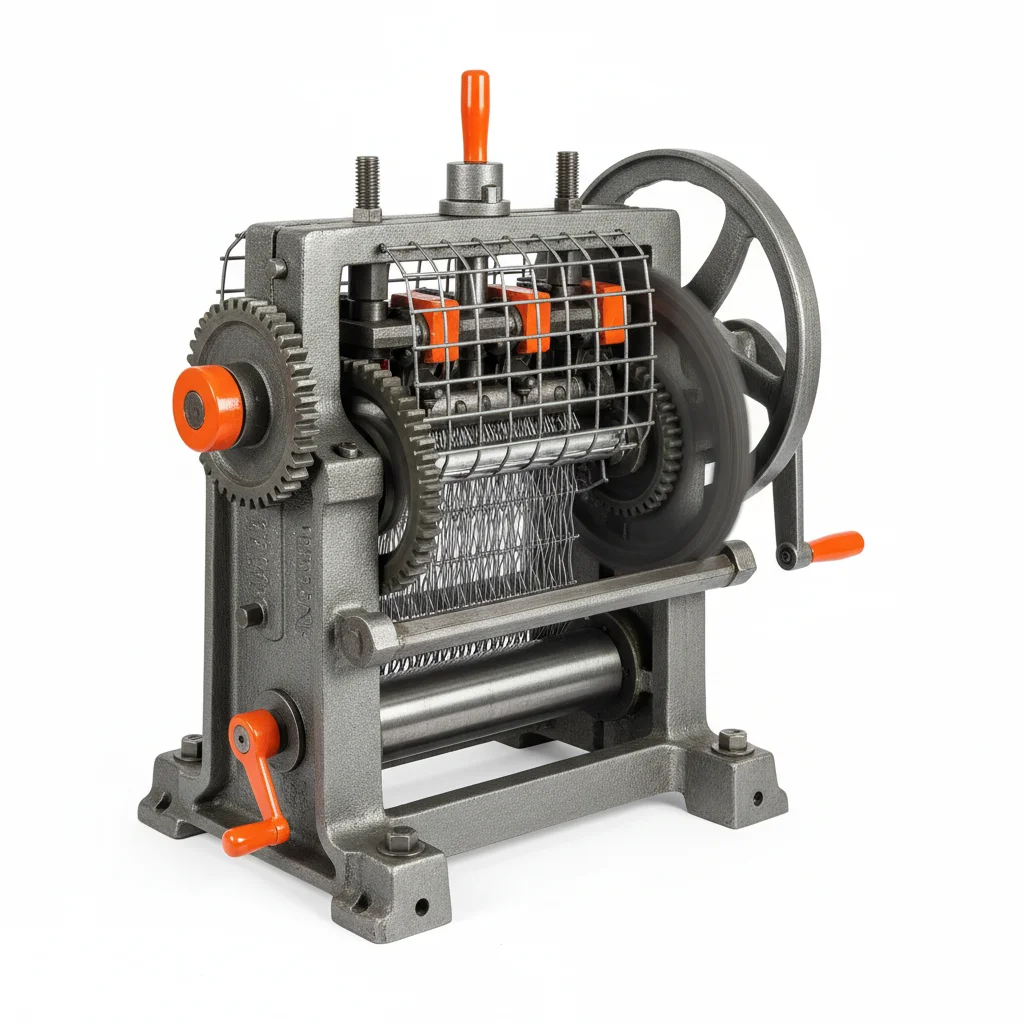
The global demand for sustainable infrastructure and erosion control has propelled the gabion wire mesh machine into a critical role within the modern construction equipment industry. As urban centers expand and environmental protection becomes a priority, the ability to rapidly produce high-strength, durable wire cages for stone containment is no longer just a luxury but a necessity for civil engineering projects worldwide.
Understanding the mechanics and operational efficiencies of a gabion wire mesh machine allows manufacturers to optimize their production lines, ensuring that the resulting mesh meets rigorous international standards for tensile strength and corrosion resistance. By automating the weaving process, these machines reduce human error and significantly lower the cost of producing heavy-duty barriers used in riverbank stabilization and retaining walls.
In an era defined by "green building" and ecological restoration, investing in the right gabion wire mesh machine provides a strategic advantage. From enhancing the durability of coastal defenses to supporting large-scale mining operations, the precision of these machines ensures that every mesh unit can withstand extreme environmental pressures, bridging the gap between industrial efficiency and environmental stewardship.
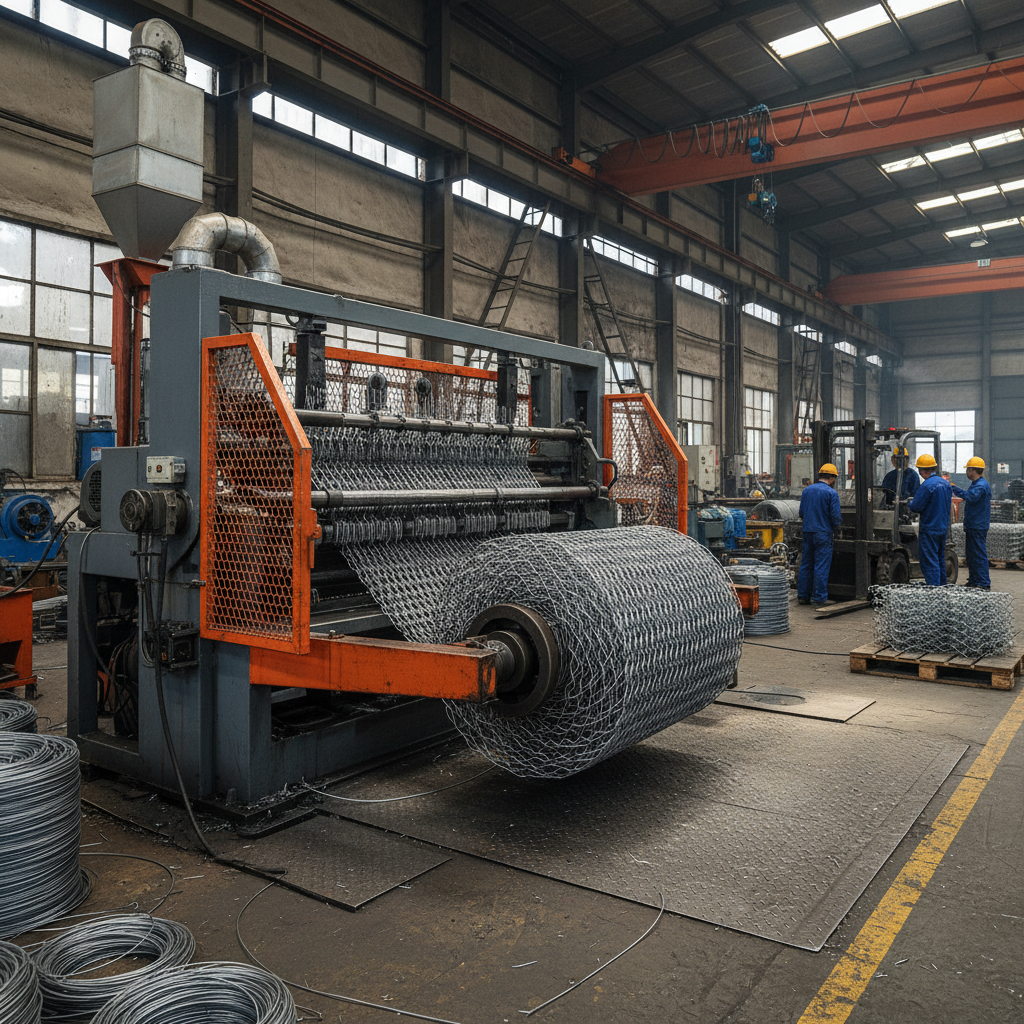
Global Relevance of Gabion Wire Mesh Machine Technology
Across the globe, the struggle against soil erosion and flooding has made the gabion wire mesh machine an essential tool for infrastructure resilience. According to data aligned with ISO standards for wire products, the demand for galvanized and PVC-coated gabions has surged in regions prone to landslides and coastal degradation, particularly in Southeast Asia and South America.
The primary challenge addressed by this technology is the need for flexible yet rigid structures that can adapt to terrain shifts without failing. Traditional concrete walls often crack under seismic stress or hydraulic pressure, whereas the products created by a high-quality gabion wire mesh machine provide a permeable, adaptable solution that dissipates energy and prevents catastrophic structural collapse.
Defining the Modern Gabion Wire Mesh Machine
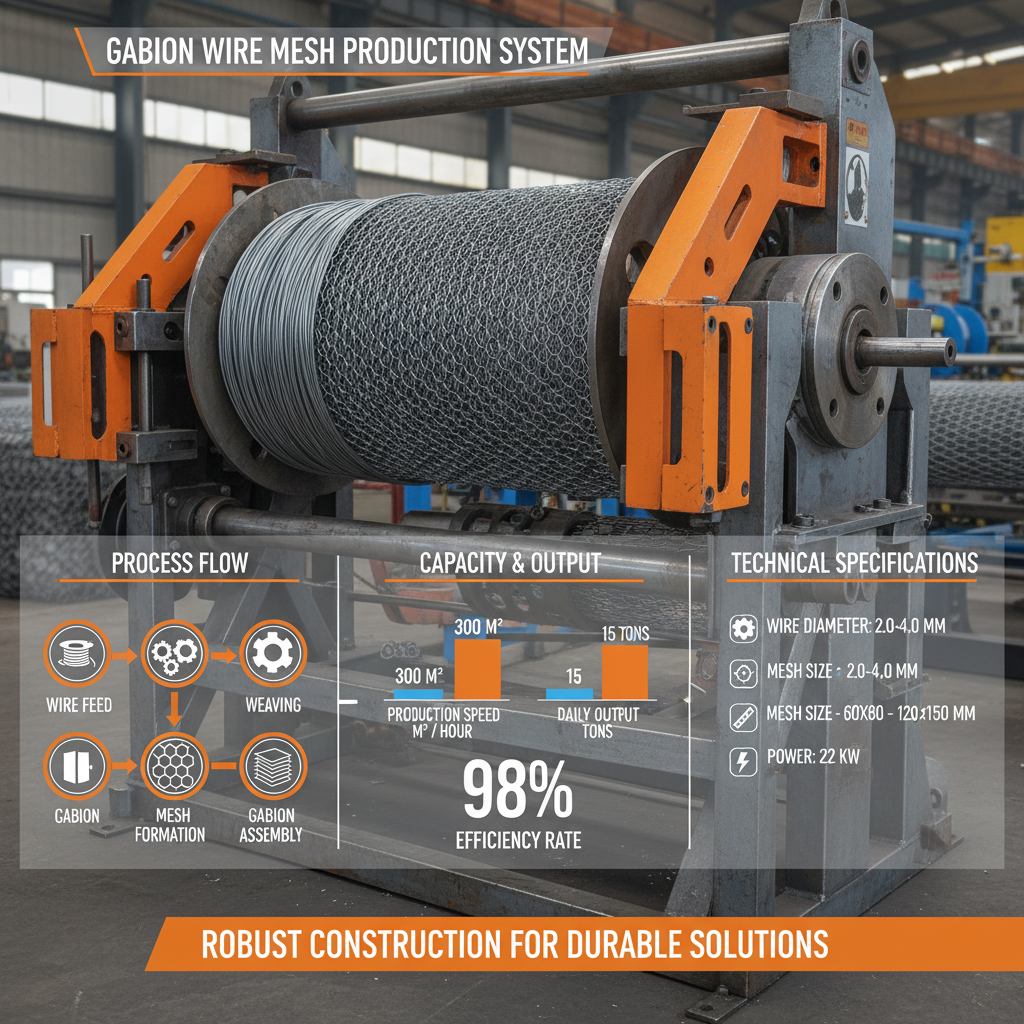
In its simplest terms, a gabion wire mesh machine is a specialized industrial weaving device designed to interlock heavy-gauge steel wires into a hexagonal or rectangular mesh. Unlike standard fence weaving, these machines are engineered to handle thicker, coated wires and create knots that do not slip under the immense weight of stone filling, which is the hallmark of gabion baskets.
This equipment serves as the backbone for humanitarian and civil needs, such as building emergency flood barriers in disaster-prone areas or creating permanent river embankments. By converting raw wire into structural cages, the machine enables the use of local materials (stones) to create high-performance engineering solutions, reducing the need to transport expensive concrete to remote sites.
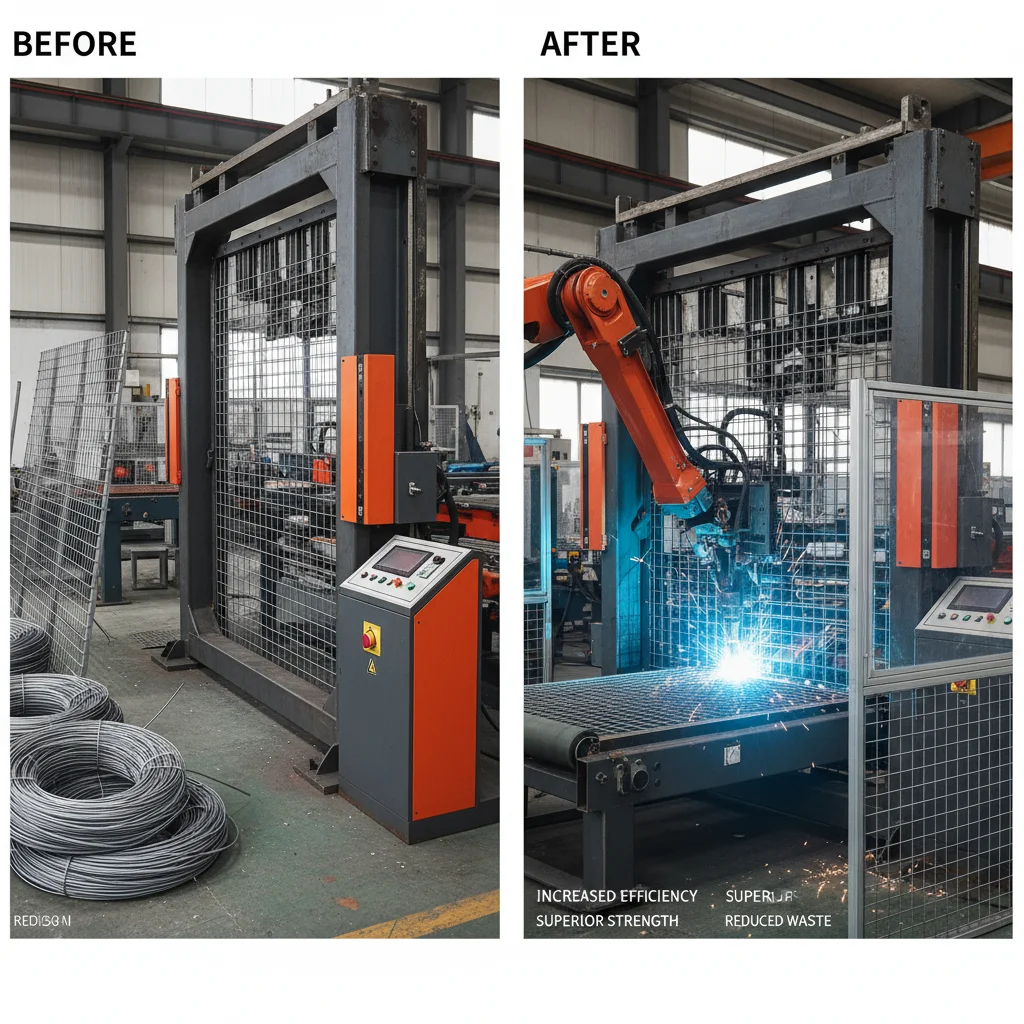
Modern iterations of the machine have evolved from manual looms to fully automated CNC-driven systems. This transition has ensured a level of consistency in the mesh aperture and weld strength that is critical for safety certifications, allowing engineers to calculate load-bearing capacities with mathematical precision.
Core Components and Engineering Factors
The durability of the final product begins with the precision of the gabion wire mesh machine's tensioning system. A consistent tension across all warp and weft wires prevents the mesh from sagging or warping, ensuring that once the gabion is filled with rock, the pressure is distributed evenly across the entire surface area of the basket.
Scalability is another core factor, as high-capacity machines allow manufacturers to adjust the mesh size and wire diameter quickly. Whether the project requires a light-duty decorative garden wall or a heavy-duty industrial breakwater, a versatile gabion wire mesh machine can switch specifications to meet these varied load requirements without extensive downtime.
Finally, the integration of automated cutting and edge-binding mechanisms enhances cost efficiency. By reducing the amount of waste material and minimizing the need for manual finishing, the gabion wire mesh machine allows factories to maximize their output per kilowatt-hour, directly impacting the bottom line and the competitiveness of the final product in the global market.
Performance Metrics and Production Efficiency
Measuring the efficiency of a gabion wire mesh machine involves analyzing the relationship between weaving speed and the structural integrity of the joints. A machine that operates too quickly without proper tension control may produce mesh that fails under pressure, while an overly slow machine cannot meet the timelines of massive government infrastructure contracts.
To optimize output, manufacturers often compare different mechanical approaches—ranging from traditional mechanical cams to modern servo-motor drives—to determine which provides the best balance of speed and precision for specific wire gauges.
Production Efficiency Comparison of Gabion Mesh Methods
Global Applications and Industry Use Cases
The versatility of products from a gabion wire mesh machine is evident in its widespread adoption across diverse sectors. In the mining industry, these machines produce heavy-duty cages used for tailings dam stabilization and slope reinforcement, preventing landslides that could jeopardize worker safety and environmental health.
In urban planning, gabions are increasingly used for "green" retaining walls in cities like Singapore and Amsterdam, where the permeable nature of the mesh allows for natural drainage and the growth of vegetation. This integration of industrial machinery and urban ecology proves that the gabion wire mesh machine is a key driver of sustainable architecture.
Long-Term Value and Sustainable Advantages
The long-term value of investing in a high-end gabion wire mesh machine lies in its contribution to environmental sustainability. Unlike concrete production, which is carbon-intensive, the production of wire mesh requires significantly less energy, and the final gabion structures allow for natural water infiltration, reducing the risk of downstream flooding.
Beyond the ecological impact, there is a logical financial advantage. Gabions produced by professional machinery are designed for extreme longevity, especially when using double-twisted hexagonal weaves that prevent a single wire break from unraveling the entire structure. This reliability reduces maintenance costs for governments and private contractors over decades of service.
Ultimately, the trust placed in a brand's gabion wire mesh machine is a trust in the safety of the infrastructure it supports. When a bridge abutment or a coastal sea wall is held together by precision-woven mesh, it provides the dignity of safety for thousands of people, proving that industrial precision has a direct human impact.
Future Trends in Gabion Mesh Automation
The future of the gabion wire mesh machine is inextricably linked to the "Industry 4.0" movement. We are seeing the emergence of AI-driven quality control systems that use high-speed cameras to detect weaving flaws in real-time, automatically pausing the machine to prevent the production of defective mesh that could fail in the field.
Moreover, the shift toward new materials, such as high-tensile stainless steel and bio-degradable polymers for temporary erosion control, is forcing a redesign of machine components. The next generation of gabion wire mesh machines will likely feature modular heads that can switch between different weaving patterns and materials with a single software command.
Sustainability will also drive innovations in energy consumption, with the adoption of regenerative braking systems in the motors and the use of recycled steel wire. This holistic approach ensures that the process of creating environmental protection tools is itself an environmentally friendly endeavor.
Comparative Analysis of Gabion Machine Technical Specifications
| Machine Model |
Max Wire Diameter |
Automation Level |
Durability Score (1-10) |
| Standard Hexagonal-A1 |
3.0mm |
Semi-Automatic |
7 |
| Heavy Duty Pro-G2 |
4.5mm |
Fully Automatic |
9 |
| Eco-Weave Hybrid |
2.5mm |
CNC Integrated |
8 |
| Industrial Titan-X |
6.0mm |
Fully Automatic |
10 |
| Rapid-Mesh Compact |
2.0mm |
Semi-Automatic |
6 |
| Custom-Flex Mod |
4.0mm |
Modular CNC |
9 |
FAQS
Unlike standard fence machines, a gabion wire mesh machine is specifically designed to create "double-twist" weaves. This ensures that the mesh does not unravel if a wire is cut, which is critical because gabions must hold tons of rock. They are also built to handle significantly heavier wire gauges and specialized coatings like Galfan or PVC.
Yes, most professional gabion wire mesh machines feature adjustable settings or interchangeable parts that allow operators to change the mesh aperture (e.g., 8x10cm or 6x8cm). High-end CNC models allow these adjustments to be made via a digital interface, minimizing downtime between different product runs.
With proper maintenance and lubrication, an industrial-grade machine can last 10 to 20 years. The key to longevity is the quality of the wearing parts (like the weaving needles and cams). Regular calibration ensures the machine maintains its precision and doesn't put undue stress on the motor.
Comparatively, yes. The use of a gabion wire mesh machine is far more sustainable than concrete casting. It promotes the use of local stone and enables permeable structures that support biodiversity. Modern machines are also becoming more energy-efficient, reducing the carbon footprint of the manufacturing process.
Ensure your machine has a precise tensioning system and high-quality cutting mechanisms. Most manufacturers recommend conducting periodic tensile tests on the produced mesh to verify it meets ISO or ASTM standards. Using a machine with integrated quality sensors can help automate this verification process.
The best approach is to invest in a semi-automatic gabion wire mesh machine that offers versatility in wire gauge. This allows you to enter the market with a wide range of products without the massive upfront cost of a fully robotic line, while still providing far better quality than manual weaving.
Conclusion
The gabion wire mesh machine stands as a cornerstone of modern civil engineering, blending industrial power with ecological necessity. By enabling the mass production of durable, flexible, and sustainable wire cages, these machines provide the essential tools required to protect our coastlines, stabilize our mountains, and build resilient urban environments. From the precision of CNC automation to the enduring strength of the double-twist weave, the technology ensures that infrastructure can coexist harmoniously with nature.
Looking forward, the integration of AI and sustainable materials will only further enhance the value of these machines. For manufacturers and contractors, the goal is clear: transition toward smarter, more efficient production to meet the growing global demand for green infrastructure. We invite you to explore how the latest innovations in weaving technology can elevate your production capabilities. Visit our website: www.htmeshmachines.com