Hit enter to search or ESC to close
13 June 2026
In the modern landscape of civil engineering and erosion control, the demand for high-quality gabion baskets has surged. To meet this need, investing in a professional gabion wire mesh machine is essential for manufacturers aiming for precision, durability, and high output. Whether you are securing a riverbank or constructing a retaining wall, the quality of the mesh determines the longevity of the structure. In this comprehensive guide, we will explore the technical advantages, operational efficiencies, and key selection criteria for these machines to help you optimize your production line.

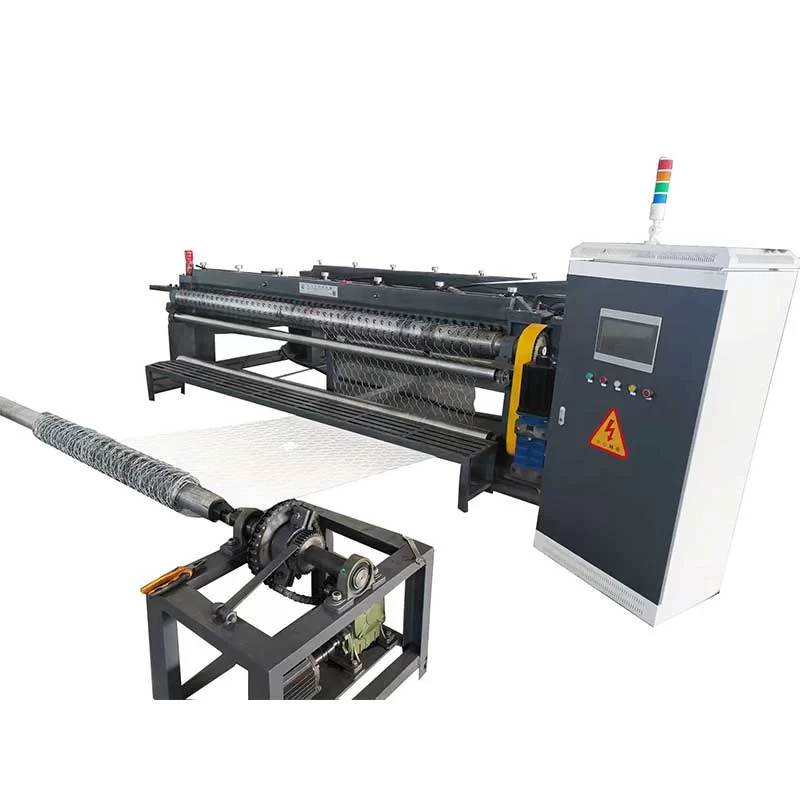
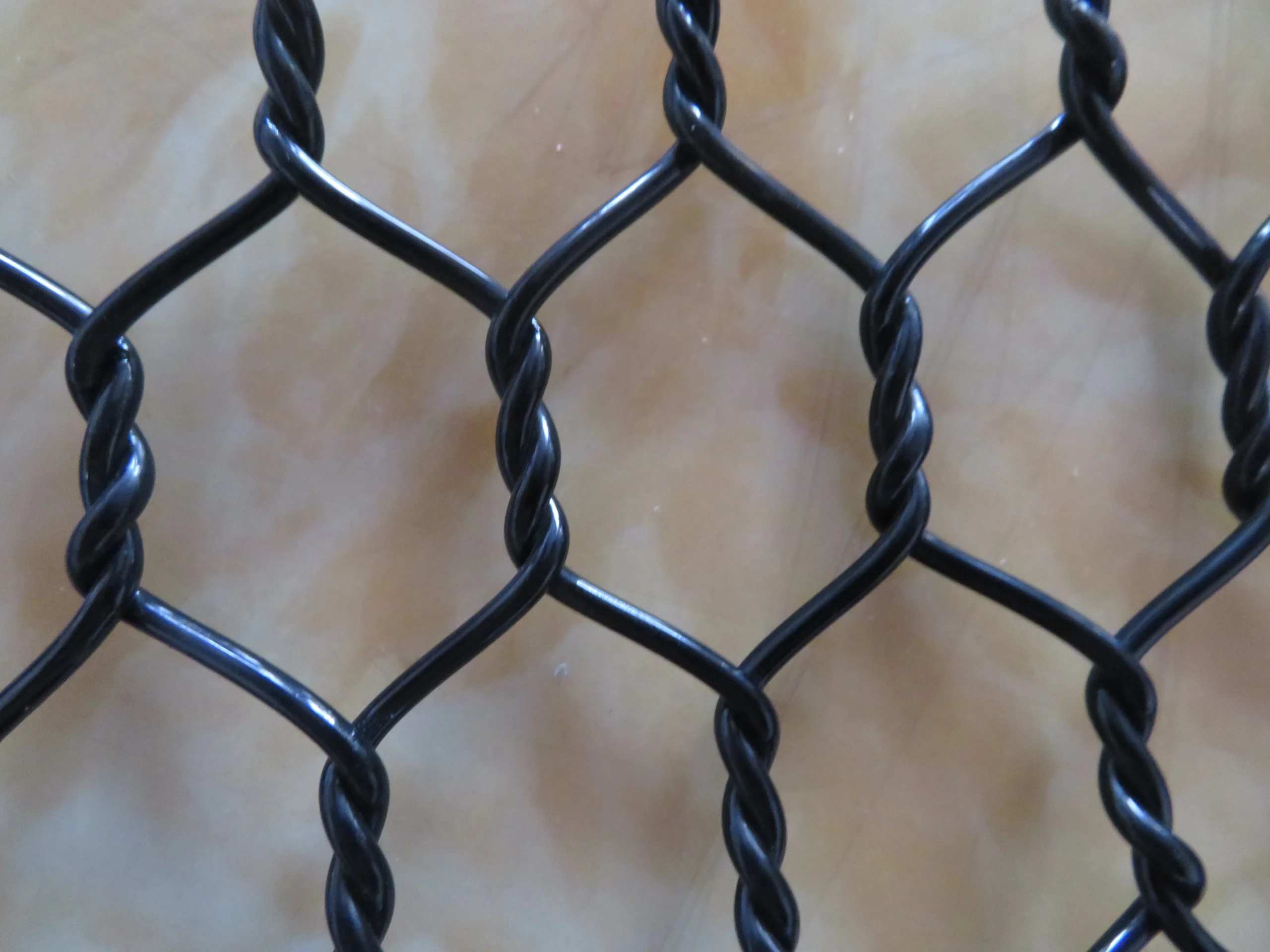
A modern gabion wire mesh machine automates the complex process of weaving heavy-gauge galvanized or PVC-coated wires. Unlike manual weaving, which is prone to human error and inconsistency, these machines ensure a uniform mesh size and tight junctions. This precision is critical because any gap in the weave can lead to the leakage of fill stones, compromising the structural integrity of the gabion wall. By utilizing high-torque motors and precision-engineered looms, these machines significantly reduce waste and labor costs while increasing the total daily yield.
Efficiency Boost: Automated systems allow for continuous operation with minimal supervision, enabling manufacturers to scale production quickly to meet large-scale infrastructure project deadlines.
When selecting the right equipment, understanding the technical parameters is vital. Different projects require different mesh apertures and wire diameters. A versatile gabion wire mesh machine should offer adjustable settings to accommodate various industry standards. Below is a detailed specification table comparing common configurations used in the industry to help you identify the model that fits your specific production needs.
For small-scale workshops, manual weaving might seem cost-effective initially. However, as volume increases, the limitations of manual labor become apparent. An automated gabion wire mesh machine provides a level of consistency that is impossible to achieve by hand. Automation not only speeds up the process but also ensures that every single knot and weave meets international quality standards, which is often a prerequisite for government-funded infrastructure bids.
Key Advantages of Automation:
• Consistency: Zero variation in mesh size across thousands of meters.
• Scalability: Ability to run 24/7 to meet urgent project demands.
• Cost Reduction: Lower long-term labor expenses and minimal material waste.
• Quality Control: Integrated sensors detect wire breakage instantly.
The output from a high-quality gabion wire mesh machine is utilized in various critical environments. In river engineering, gabions are used for bank stabilization to prevent erosion. In road construction, they serve as gravity retaining walls that allow water to drain through, preventing hydrostatic pressure buildup. Additionally, they are widely used in landslide prevention and coastal protection. The versatility of the mesh allows it to be filled with rocks, concrete, or recycled materials, depending on the project requirements.

To ensure the longevity of your investment, regular maintenance of the gabion wire mesh machine is non-negotiable. Because these machines handle heavy-duty wires and operate under high tension, the mechanical parts are subject to wear and tear. Lubricating the gears daily and checking the tensioning rollers weekly can prevent unexpected downtime. Furthermore, cleaning the weaving area of wire shards and dust prevents friction-related damage to the guide rails, ensuring the machine maintains its peak production speed.
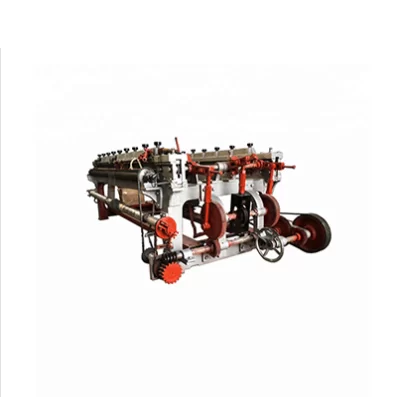
Not all machines are created equal. When searching for a gabion wire mesh machine, it is crucial to look for a supplier that offers comprehensive after-sales support and genuine spare parts. A reliable manufacturer will provide detailed installation guidance and operator training. Consider the build quality of the machine's frame—heavy-duty steel frames reduce vibration, which directly correlates to a more precise weave and a longer machine lifespan. Always request a sample of the mesh produced by the machine to verify the weave tightness.
Investing in a high-performance gabion wire mesh machine is more than just a purchase; it is a strategic move toward industrial efficiency and quality excellence. By automating the weaving process, manufacturers can ensure structural safety in civil projects while maximizing their profit margins through reduced waste. For those seeking durability, precision, and world-class support, choosing a professional machine is the only way to remain competitive in the global infrastructure market.
Yes, most professional gabion wire mesh machines are designed to handle both galvanized and PVC-coated wires. The key is the adjustment of the tensioning system and the use of specific guides that prevent the PVC coating from peeling or scratching during the weaving process. PVC-coated wire is often used in highly corrosive environments, such as saltwater coastlines, and our machines ensure the coating remains intact throughout the production cycle.
With modern PLC-controlled systems, the learning curve is significantly reduced. A new operator can typically learn basic operation, wire loading, and mesh collection within 3 to 5 days. More advanced training, including the adjustment of mesh apertures and routine maintenance, usually takes about two weeks of supervised practice. We recommend that each facility has at least one certified technician who understands the deep mechanical calibrations of the machine.
When properly maintained, a high-quality gabion wire mesh machine can last between 10 to 15 years. The lifespan depends heavily on the quality of the steel used in the frame and the frequency of lubrication. Replacing wear parts like needles, rollers, and belts every 12-24 months is standard practice to ensure the machine continues to operate at peak efficiency without compromising the quality of the woven mesh.
The choice depends on your current production volume and budget. Semi-automatic machines are ideal for smaller workshops that produce a variety of custom sizes in small batches, as they allow for more manual intervention. Fully automatic machines are designed for high-volume industrial production where consistency and speed are the primary goals. If your goal is to supply large government contracts, the fully automatic option is highly recommended to ensure strict compliance with technical specifications.