Hit enter to search or ESC to close
18 June 2026
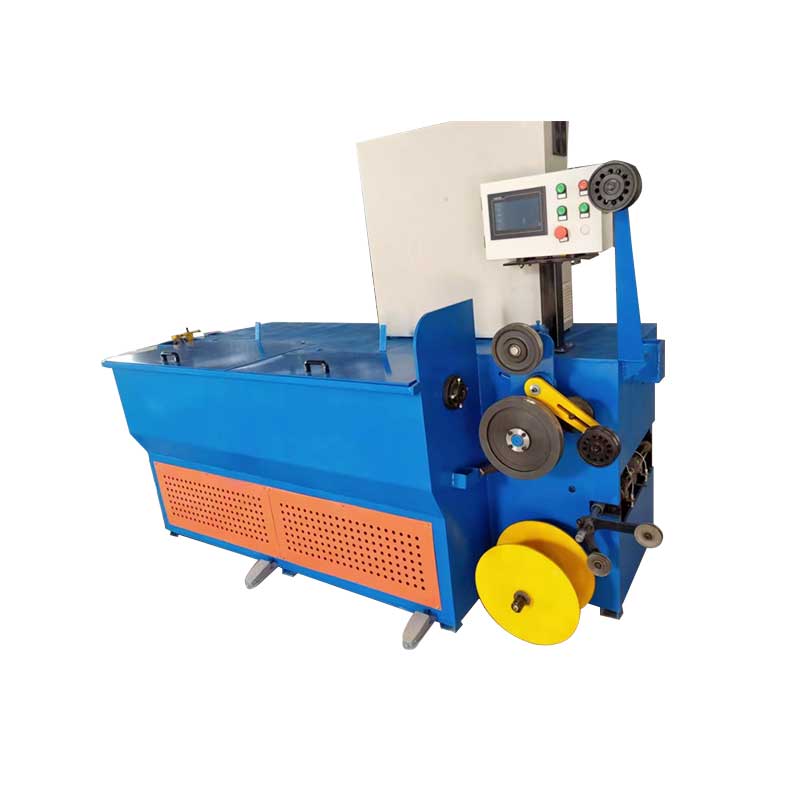
In the modern construction and erosion control industry, the demand for high-quality retaining walls and riverbank stabilization has surged. Central to this production is the gabionwire mesh machine, a specialized piece of equipment designed to weave heavy-duty galvanized or PVC-coated wires into robust hexagonal mesh. Whether you are starting a new manufacturing venture or upgrading your current production line, understanding the technical nuances of these machines is essential for ensuring structural integrity and operational profitability. By utilizing precision engineering, these machines allow for consistent mesh sizing and strong binding, which are critical for the longevity of gabion baskets in harsh environments.

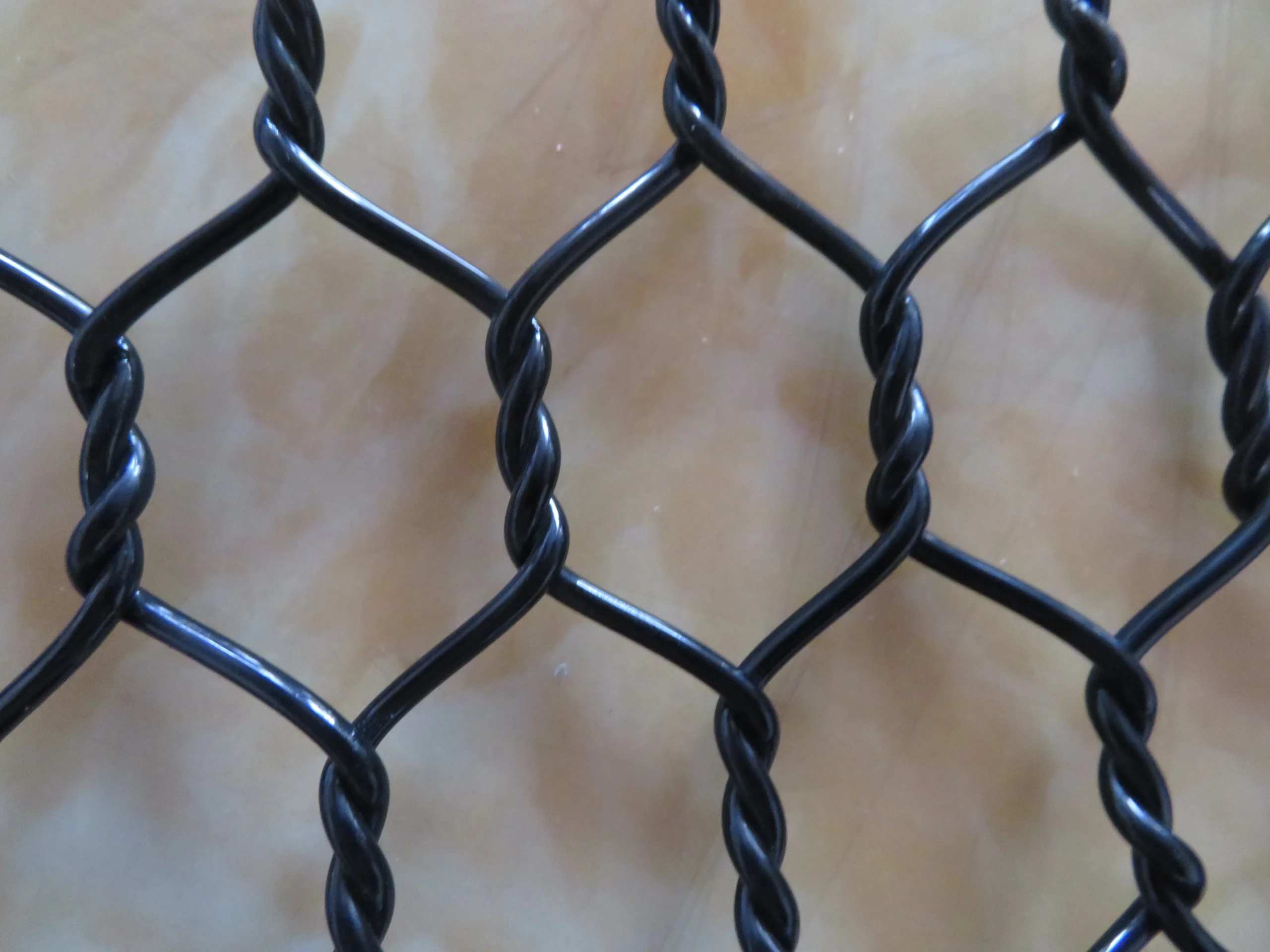
A professional gabionwire mesh machine operates on the principle of precision weaving. The process begins with high-tensile steel wire, which is fed through a series of guides and weaving needles. These components work in perfect synchronization to create the characteristic double-twist hexagonal pattern, which ensures that the mesh does not unravel even if a wire is cut. Automatic tension control and synchronized speed regulation are key features that prevent deformities in the mesh, ensuring that each roll meets international engineering standards for civil works.
Technical Insight: The double-twist mechanism is what separates a true gabion mesh from standard chain-link fences, providing the necessary rigidity to hold tons of rock without bulging.
Choosing the right machinery depends heavily on your target output and the wire gauges you intend to process. Different projects require different mesh sizes—ranging from small decorative baskets to massive dam reinforcements. A high-performance gabionwire mesh machine should offer flexibility in wire diameter and mesh aperture. To help buyers make an informed decision, we have outlined the typical technical specifications found in industrial-grade weaving equipment below.
In the past, small-scale production relied on manual or semi-manual methods. However, the shift toward full automation using a gabionwire mesh machine has revolutionized the industry. Automation minimizes human error, significantly reduces labor costs, and ensures a uniform product that passes strict quality inspections. When comparing the two, the return on investment (ROI) for automated machinery is achieved rapidly through increased volume and reduced material waste.
Why Choose Automation?
• Consistency: Every hexagon is identical in size and shape.
• Scalability: Ability to produce thousands of meters per day.
• Durability: Higher weaving tension results in stronger baskets.
• Safety: Reduced manual handling of heavy wire coils.
The output from a high-quality gabionwire mesh machine is utilized across various critical infrastructure projects. The most common application is in retaining walls, where stone-filled cages prevent soil erosion and landslides. Additionally, these machines produce mesh for riverbank protection (gabions), which dissipate the energy of flowing water and protect the shoreline. In urban landscaping, gabions are increasingly used for architectural features, blending industrial strength with natural aesthetics.

To ensure your gabionwire mesh machine operates at peak efficiency for years, a proactive maintenance schedule is non-negotiable. The high friction involved in wire weaving can cause wear on the needles and guides. Regular lubrication of all moving parts and checking the alignment of the weaving head prevents downtime. Furthermore, cleaning the machine of metal shavings and dust prevents mechanical jams and ensures that the finished mesh remains free of surface defects.
Pro Tip: Always use high-quality, uniformly coated wire. Poor quality wire can cause frequent breakages, putting unnecessary stress on the machine's motor and weaving mechanisms.
The choice of a gabionwire mesh machine is a strategic decision that impacts the quality of your end product and the efficiency of your operation. From enhancing soil stability to creating modern architectural landscapes, the versatility of gabion mesh is unmatched. By focusing on automation, precise specifications, and rigorous maintenance, manufacturers can ensure they deliver products that withstand the test of time and nature. Elevate your production standards today with the right technology.
Hexagonal mesh, produced by a gabionwire mesh machine, uses a double-twist weaving method. This allows the mesh to be flexible and prevents unravelling, making it ideal for adapting to uneven terrain and resisting impact. Welded mesh, conversely, is formed by welding intersections of wire. While welded mesh is more rigid and has a square appearance, it lacks the flexibility and "self-locking" nature of the double-twist hexagonal weave used in traditional gabions.
Most professional machines are designed for a specific range of mesh sizes. To change the aperture size significantly, you typically need to replace the weaving needles and adjust the guide settings. High-end models offer more flexibility and easier change-over processes, allowing operators to switch between different project specifications with minimal downtime. Always check the "Adjustable Range" in the technical specifications before purchasing.
The choice of material depends on the environment. Hot-dipped galvanized steel is the industry standard for general use due to its excellent corrosion resistance. For extremely corrosive environments, such as coastal areas or saltwater exposure, PVC-coated galvanized wire is highly recommended. The gabionwire mesh machine is designed to handle both types of wire, provided the tension settings are adjusted for the coating thickness.
While modern PLC-controlled machines are intuitive, basic training is essential to ensure safety and product quality. Operators need to learn how to load wire coils, adjust tension, and perform daily lubrication. Most reputable manufacturers provide an installation and training phase. With a few days of hands-on experience, an operator can efficiently manage the production flow and perform basic troubleshooting to keep the machine running smoothly.