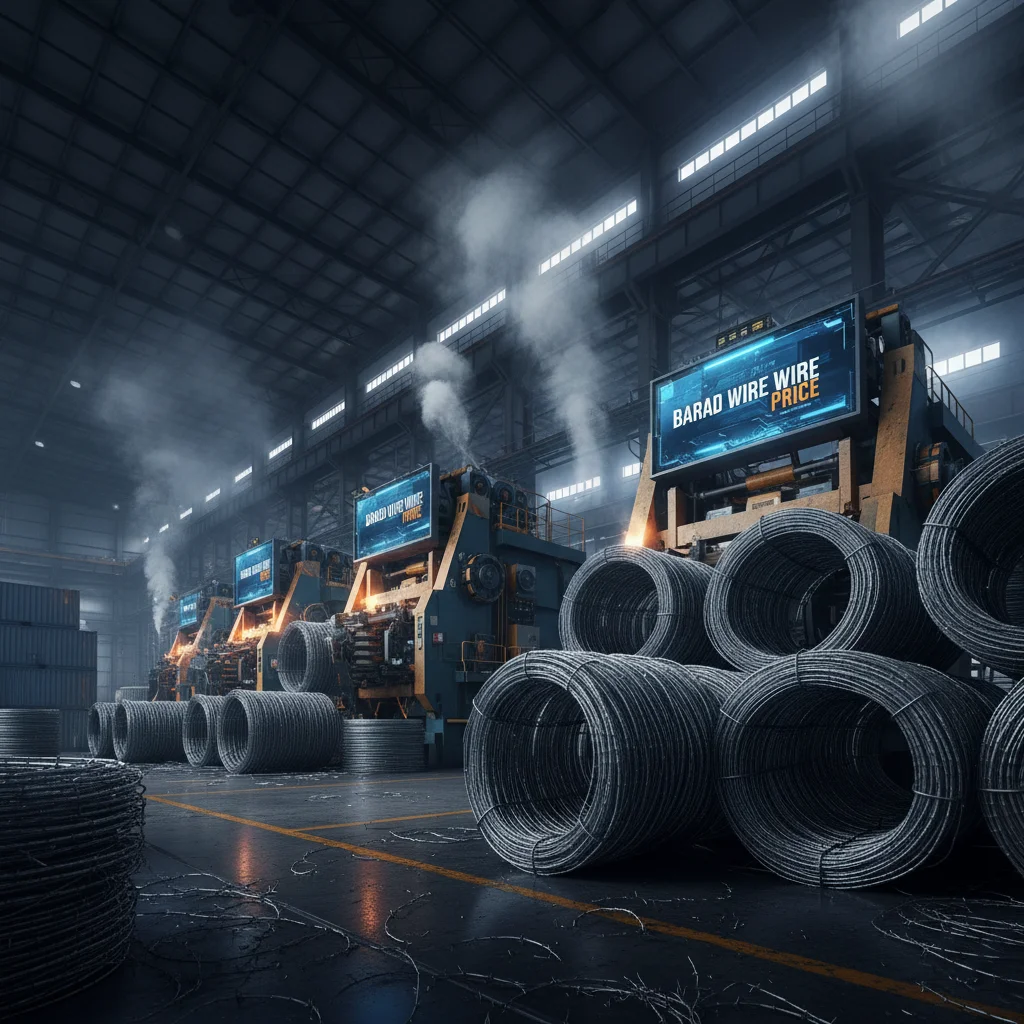
A gabion wire mesh machine is a specialized industrial weaving system designed to produce heavy-duty double-twisted hexagonal mesh used in erosion control, riverbank stabilization, and civil engineering. Unlike standard fencing, these machines create a flexible, porous structure capable of holding large quantities of stone while maintaining structural integrity under extreme environmental pressure.
For manufacturers in the specialty equipment sector, the challenge lies in balancing weaving speed with the high tension required for heavy-gauge wires. Inconsistent twisting or poor mechanical alignment often leads to structural weak points in the mesh, which can cause catastrophic failure in large-scale infrastructure projects such as dam reinforcements or coastal defenses.
This technical analysis explores the operational mechanisms, critical selection criteria, and performance advantages of PLC-driven gabion weaving systems. By examining technical parameters and implementation strategies, this guide provides procurement teams and engineers with the data needed to optimize production output and ensure compliance with international engineering standards.

1Core Mechanics of Gabion Weaving Technology

The operation of a gabion wire mesh machine centers on the precise interlocking of galvanized or PVC-coated steel wires into a hexagonal pattern. The "double-twist" mechanism is critical; it ensures that if a single wire is cut, the rest of the mesh remains intact. This is achieved through a series of rotating shafts and twisting pins that bend the wire at specific intervals, creating a secure, non-unraveling bond.
Modern systems utilize PLC (Programmable Logic Controllers) to manage the synchronization between the feed rollers and the twisting mechanism. This allows for the production of various mesh sizes, such as 50x70mm or 80x100mm, by simply adjusting the digital parameters rather than manually rebuilding the mechanical gear train.
Furthermore, the integration of servo motors has replaced traditional chain-driven systems in high-end models. This transition reduces mechanical backlash and allows for real-time adjustments of the weaving pitch, which is essential when switching between different wire diameters, typically ranging from 2.0mm to 4.0mm.
2Key Technical Features of Heavy-Duty Systems
High-capacity gabion machines are characterized by their structural mass and precision. A professional-grade main engine often exceeds 18 tons to absorb the vibrations generated during high-speed weaving. This stability is crucial for maintaining a consistent mesh width and ensuring that the twists are uniform across the entire width of the fabric.
One significant innovation is the integrated double rack design. By optimizing the space required for rack movement, the machine achieves a more streamlined structure that is inherently safer and more stable during high-tension operations. This design reduces the footprint in the factory while increasing the rigidity of the weaving frame.
Additionally, the ability to switch between three, five, and seven twists with a single key via the PLC interface provides immense flexibility. This allows operators to adapt the mesh strength based on the specific project requirements—higher twist counts typically result in stronger, more rigid cages suitable for high-impact environments.
3Industrial Applications and Use Cases
The output of a gabion wire mesh machine is primarily used in hydraulic engineering. In riverbed stabilization, gabion baskets are filled with stones to prevent soil erosion and manage water flow. The permeability of the mesh allows water to pass through while the stone mass breaks the current's energy, protecting the shoreline from degradation.
Beyond water management, these machines support the construction of retaining walls and noise barriers along highways. The flexibility of the double-twisted mesh allows the structure to settle naturally without cracking, a significant advantage over concrete walls in areas with unstable soil or seismic activity.
In mining and geotechnical applications, gabion mesh is used for slope stabilization and terrace construction. The ability to customize mesh size and wire diameter ensures that the cages can be tailored to the specific size of the local aggregate available, optimizing both material cost and structural stability.
4Performance Analysis and Production Efficiency
Efficiency in gabion production is measured by the "weaving speed to waste ratio." Traditional machines often suffer from high scrap rates during the initial setup of a new mesh size. In contrast, PLC-driven systems allow for precise calibration, significantly reducing the amount of wire wasted during the transition between customized orders.
The use of servo motors ensures that the power delivery is consistent regardless of the wire thickness. This prevents the "stutter" often seen in lower-end machines, which can lead to inconsistent twist lengths and subsequent quality failures during the basket assembly phase.
gabion wire mesh machine Performance Metrics
When evaluating the ROI of a high-end weaving system, one must consider the reduction in manual labor. The automated nature of the PLC control means fewer technicians are required to monitor the equipment, and the faster weaving speeds directly translate to a higher daily tonnage of mesh produced, shortening project delivery timelines.
5Procurement and Selection Strategy
When selecting a gabion wire mesh machine, procurement teams must prioritize the quality of core components. The main frame's weight and the precision of the twisting pins determine the long-term reliability of the equipment. Machines that utilize self-processed core components typically offer better quality control and easier access to replacement parts.
Compatibility with different wire materials is another critical factor. A versatile machine should handle both high-carbon steel and galvanized wires without requiring extensive hardware changes. The ease of debugging and the intuitive nature of the PLC interface are also key, as they reduce the training time for new operators.
Finally, consider the total cost of ownership. While lower-cost machines may seem attractive, the expense of frequent downtime and the cost of rejected mesh products often outweigh the initial savings. Investing in equipment with timed circulation lubrication and servo-driven power sources ensures a lower cost per meter of mesh over the machine's lifespan.
6Innovation Trends in Wire Mesh Machinery
The industry is moving toward "intelligent weaving," where sensors monitor wire tension in real-time. If the tension drops below a certain threshold, the PLC can automatically adjust the feed speed or alert the operator, preventing the production of defective mesh. This reduces the reliance on manual quality inspections.
Another trend is the integration of hybrid power systems that reduce energy consumption during idling periods. By optimizing the rotation states of the thorn shaft, manufacturers can lower their electrical overhead while maintaining the same output levels, supporting more sustainable production practices.
Additionally, research into new alloy wires is pushing machinery to evolve. New materials require different twisting pressures and speeds to avoid wire fatigue or breakage. The shift toward modular designs allows manufacturers to upgrade specific sections of the machine to accommodate these new materials without replacing the entire unit.
7Comparative Evaluation of Weaving Solutions
Choosing between a heavy-duty PLC machine and a manual or semi-automatic system depends on the production volume and the required mesh specifications. For large-scale infrastructure suppliers, the heavy-duty automated system is the only viable option due to the consistency and volume required.
The following table compares the key operational differences between standard industrial weavers and the advanced PLC-driven gabion systems, highlighting the trade-offs in cost and performance.
| Feature | Manual/Semi-Auto | PLC Heavy-Duty | Impact on Production |
|---|---|---|---|
| Setup Time | High (Manual) | Low (Digital) | Faster Order Turnaround |
| Twist Consistency | Variable | High Precision | Better Structural Integrity |
| Wire Range | Limited | 2.0mm - 4.0mm | Broader Project Scope |
| Power Source | Mechanical Gear | Servo Motors | Lower Energy Waste |
| Maintenance | Frequent Manual Oil | Timed Circulation | Reduced Downtime |
| Output Volume | Moderate | High Capacity | Increased Revenue Potential |
Ultimately, the decision hinges on the desired quality of the final product. While the initial investment for a PLC system is higher, the reduction in scrap, the increase in speed, and the ability to meet strict engineering tolerances make it the superior choice for professional manufacturers.
Frequently Asked Questions
Conclusion
Investing in a high-performance gabion wire mesh machine is essential for any manufacturer aiming to compete in the modern infrastructure market. By prioritizing PLC automation, servo-driven precision, and a robust mechanical frame, companies can significantly increase their production throughput while ensuring the structural integrity of their mesh. The shift from manual calibration to digital control not only reduces waste but also allows for the flexibility needed to meet diverse engineering specifications.
For procurement teams evaluating the most suitable weaving solutions for their production lines, detailed technical specifications and custom configurations are available. You can review the full range of available product information and industrial solutions at www.htmeshmachines.com.