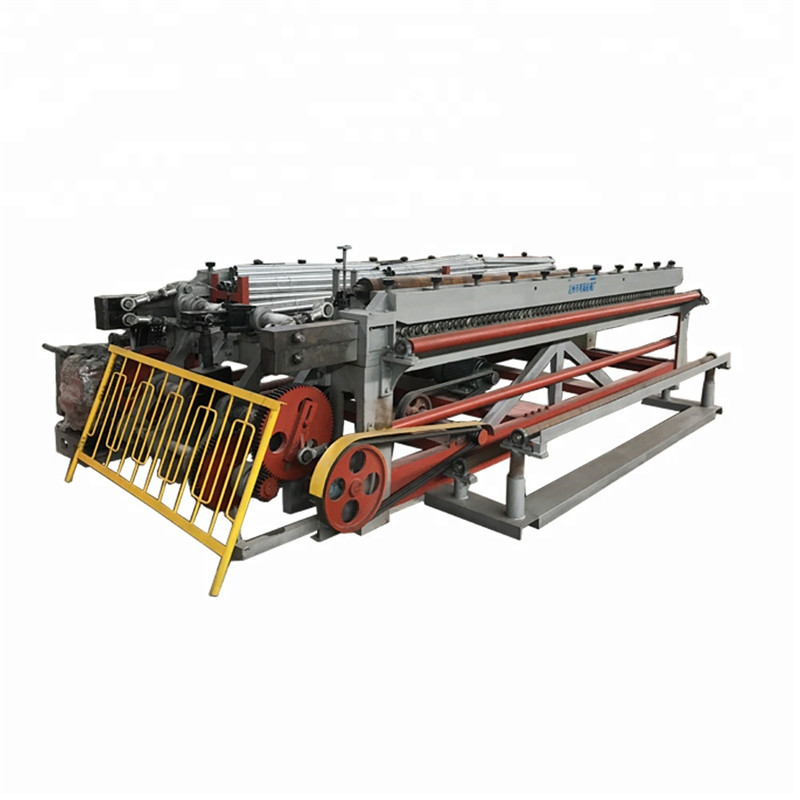
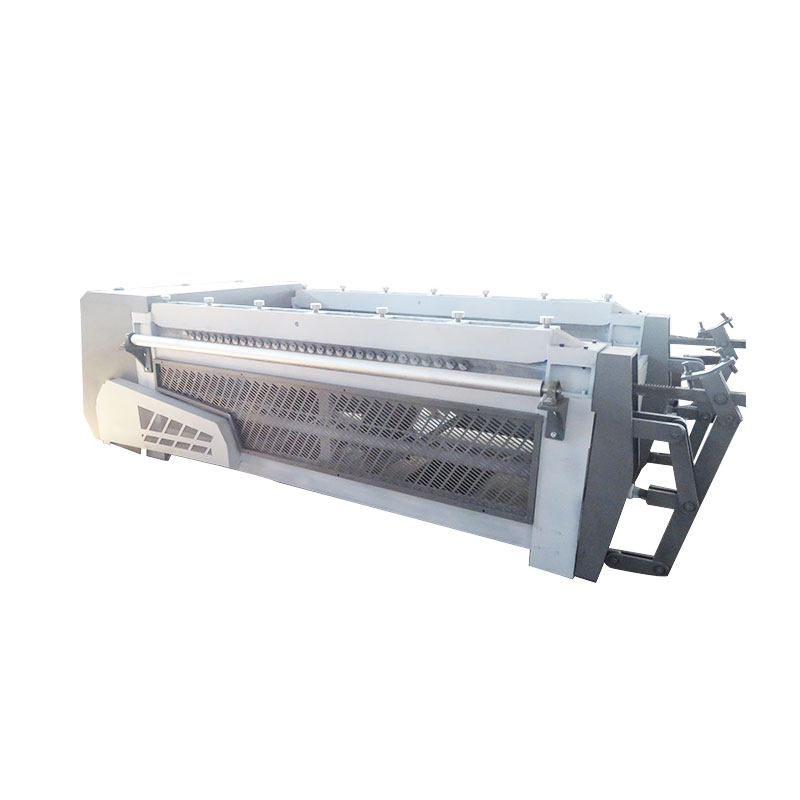
High-Efficiency automatic welded wire mesh machine Solutions for Tanzania

Empowering Tanzania's infrastructure and agricultural security with world-class wire mesh and fencing machinery tailored for the East African market.

High-Efficiency automatic welded wire mesh machine Solutions for Tanzania

Providing integrated manufacturing systems for the Tanzanian market, focusing on durability, automation, and high throughput for diverse fencing and industrial needs.

Current State of Wire Mesh Manufacturing in Tanzania

Analyzing the intersection of industrial demand and geographical challenges in the Tanzanian metallurgy sector.

Tanzania is currently experiencing a surge in infrastructure development and agricultural expansion. The demand for security fencing and erosion control is high, but much of the production relies on semi-automatic or outdated equipment. This creates a gap in the market for a high-performance gabion machine to support the construction of roads and riverbank stabilization in regions like Arusha and Dar es Salaam.

The local climate, characterized by high humidity in coastal areas and intense heat in the interior, requires machinery that is not only efficient but also resistant to corrosion and wear. Many local operators struggle with frequent downtime due to the lack of precision engineering in their current setups, making the transition to an automatic welded wire mesh machine a strategic necessity for scalability.

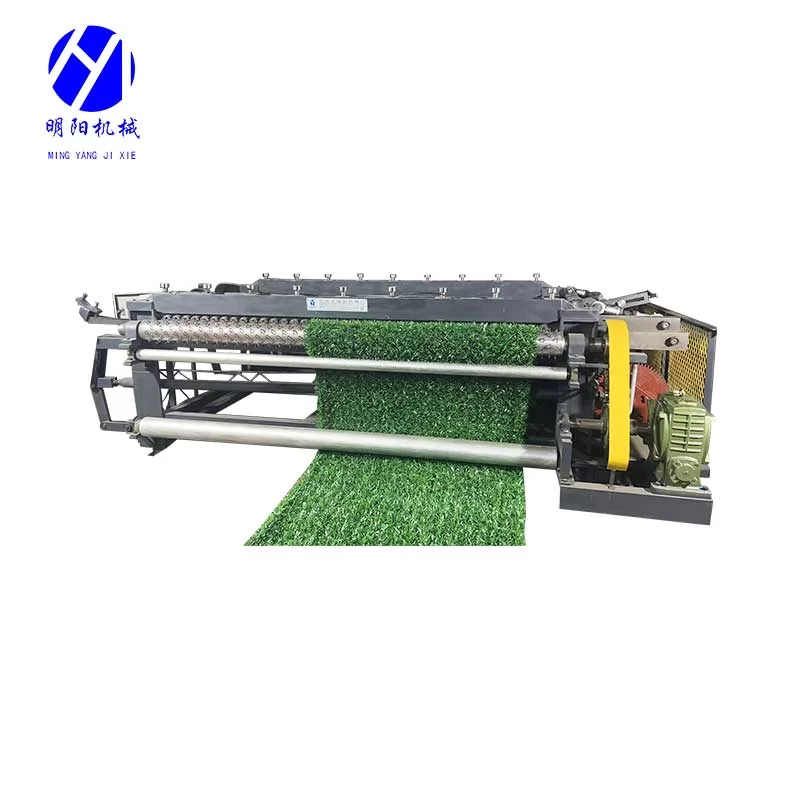
Furthermore, the expansion of livestock farming in the Tanzanian highlands has increased the need for specialized boundary markers. The market is shifting from basic wire to more complex solutions produced by a grassland field fence machine, which offers better durability against wild animals and environmental stress.
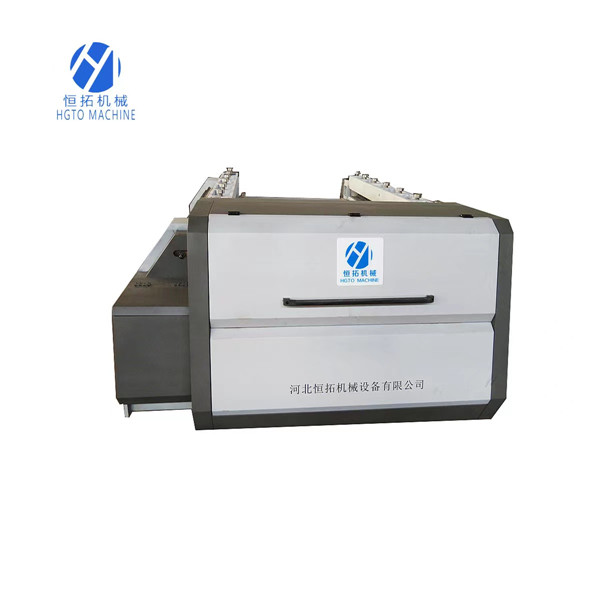
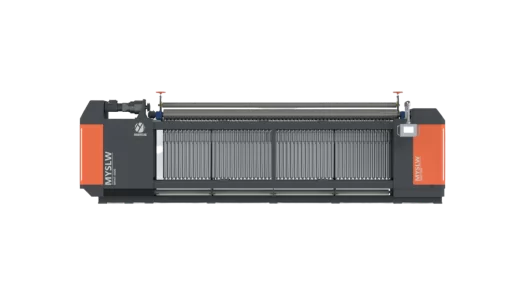
Technological Evolution and Development Trajectory

From manual twisting to AI-driven automation in the wire mesh industry.

Market Development History

In the early 2000s, Tanzania's fencing industry was dominated by manual labor and simple mechanical presses. Production of barbed wire was slow and inconsistent, focusing primarily on basic prop barbed wire for basic perimeter security with very low automation levels.

Between 2010 and 2020, the introduction of semi-automatic machinery allowed for an increase in volume. This era saw the rise of the razor barbed wire machine, which shifted the market toward high-security applications for government installations and industrial warehouses across the country.

From 2021 to the present, the trajectory has moved toward "Industry 4.0." There is now a strong trend toward fully integrated lines where PLC controls manage everything from wire feeding to cutting, significantly reducing waste and labor costs for Tanzanian manufacturers.

Future Development Trends

Precision Automation

The shift toward CNC-controlled systems will allow for customized mesh sizes and shapes, reducing material overhead by up to 15%.

Eco-Friendly Coating Integration

Future machinery will integrate advanced galvanizing and PVC coating modules to combat the salty air of the Tanzanian coast.

Modular Production Lines

The adoption of modular designs will allow local factories to switch between producing gabions and field fences with minimal downtime.

Industry Trends and Future Outlook for Tanzania

Strategic projections for the next 3-5 years in the specialized equipment sector.

Smart PLC Integration
Implementation of smart controllers to optimize energy consumption and production speed in Tanzanian factories.
High-Tensile Material Adoption
Moving toward machines capable of handling higher grade steel to increase the lifespan of fencing in harsh terrains.
Sustainable Manufacturing
Integrating scrap recycling systems directly into the production line to lower raw material costs.
Remote Support Systems
Deployment of IoT-enabled diagnostics to provide real-time technical support for machines located in remote Tanzania.

Industry Outlook

Based on current Google search trends in the East African region, there is a growing interest in "cost-effective industrial automation." This indicates that Tanzanian entrepreneurs are moving away from low-cost, low-quality imports toward value-driven, high-efficiency machinery that offers a lower total cost of ownership.

Over the next five years, we expect the demand for specialized fencing—particularly for large-scale agricultural projects—to grow by 20% annually, driving the need for more sophisticated production lines that can handle diverse wire gauges and coatings.

Localized Application Scenarios in Tanzania

Practical implementations of our machinery across various Tanzanian sectors.

1. Coastal Erosion Control in Dar es Salaam

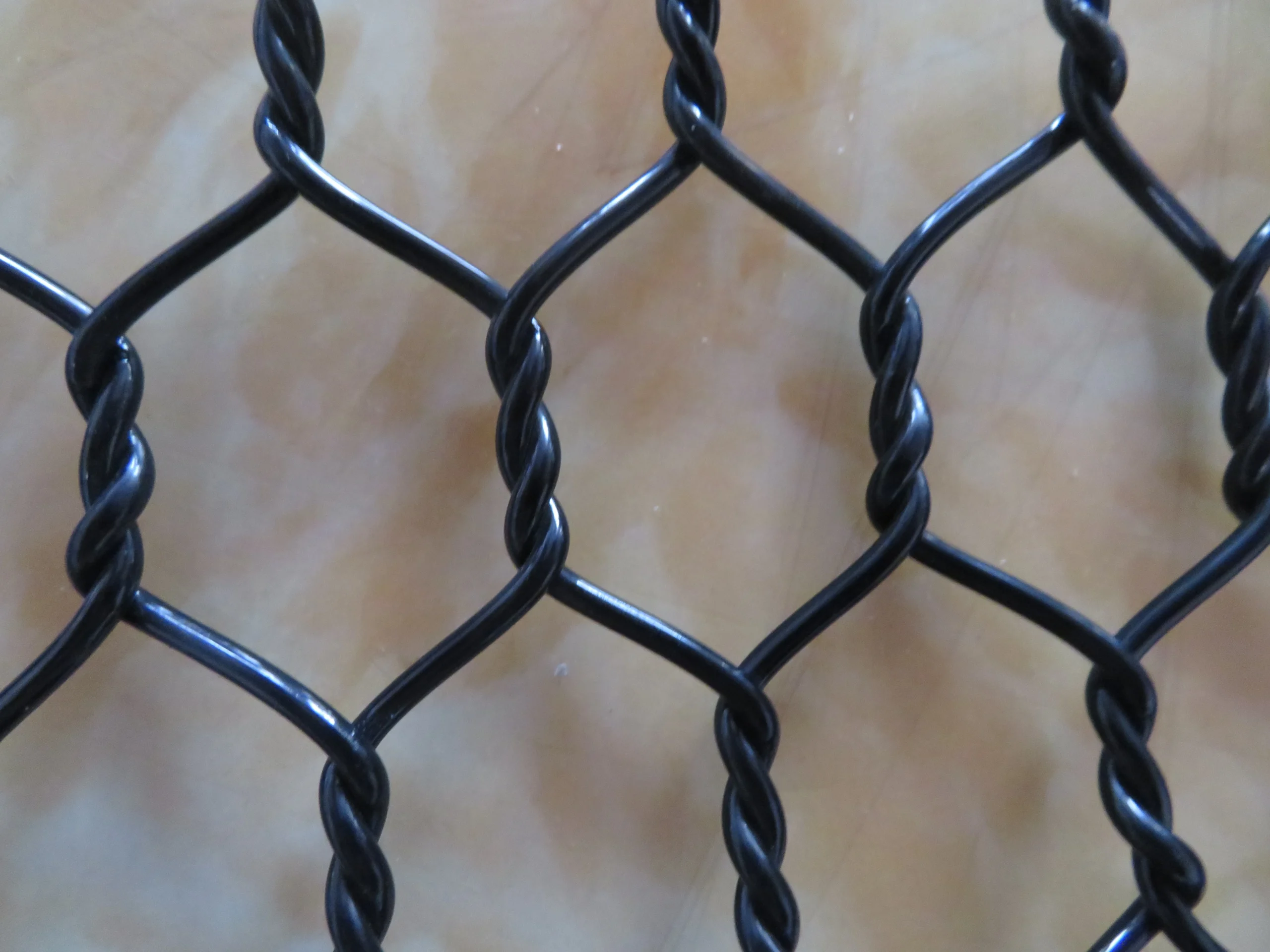
Using a gabion machine to produce heavy-duty galvanized cages filled with stone to prevent coastline degradation and protect urban infrastructure from tidal surges.

2. Large-Scale Cattle Ranching in Dodoma

Deploying a grassland field fence machine to create expansive, durable boundaries that keep livestock secure while resisting the harsh semi-arid climate of the central plateau.

3. Industrial Zone Security in Mwanza

Utilizing a razor barbed wire machine to secure high-value manufacturing plants and warehouses, providing a formidable deterrent against unauthorized access.

4. Highway Infrastructure in the Southern Highlands

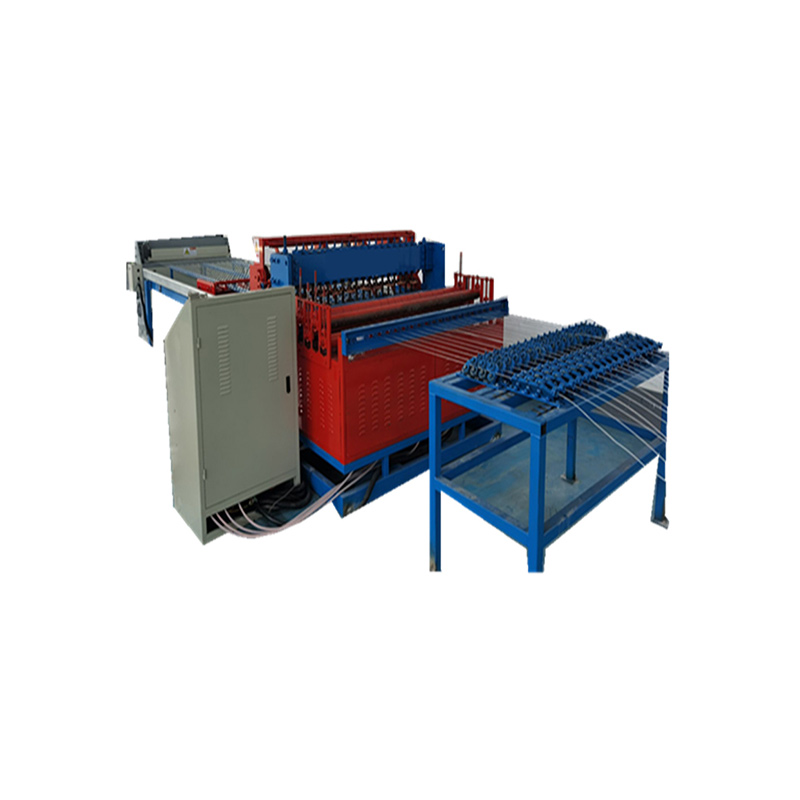
Implementing an automatic welded wire mesh machine for the production of reinforced mesh used in road concrete and bridge supports during national highway upgrades.

5. Rural Boundary Demarcation

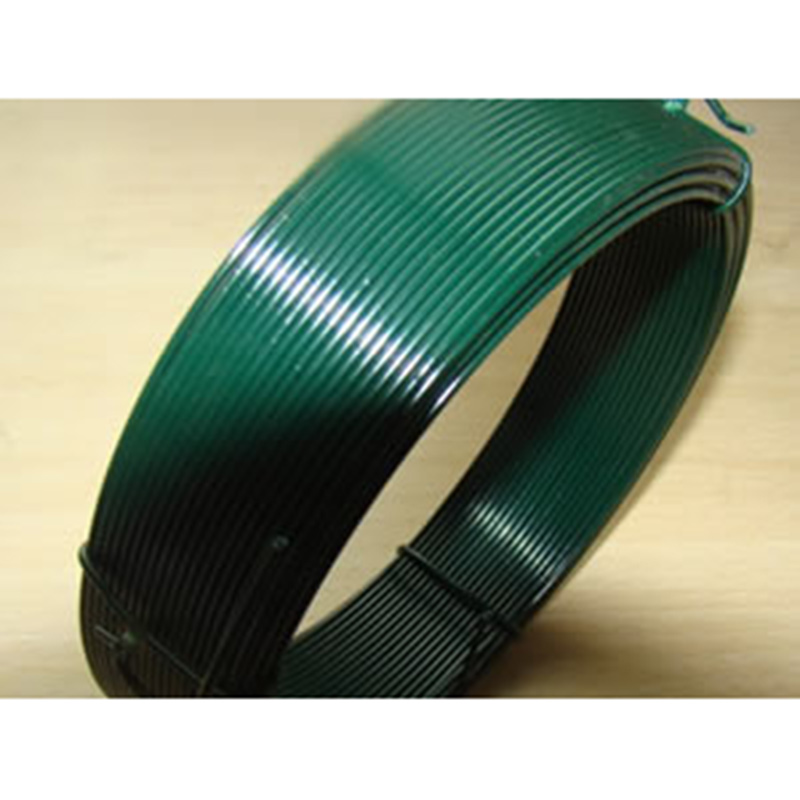
Applying prop barbed wire production for affordable, fast-deployable boundary marking in rural villages to resolve land disputes and manage small-hold farm plots.

Brand Story

Global Development Journey of Hebei Mingyang Intelligent Equipment Co., Ltd.

Founding Vision

Established with the mission to bridge the gap between complex metallurgy and user-friendly automation, focusing on solving the inefficiency of manual wire weaving.

Technical Breakthrough

Developed the first generation of high-speed welding controllers that reduced energy consumption by 30% while increasing precision for mesh gaps.

Global Expansion

Expanded operations into the African market, adapting machine designs to handle local power fluctuations and provide easier maintenance for regional operators.

Quality Standardization

Achieved international certifications for safety and durability, ensuring that every machine exported to Tanzania meets the highest global engineering standards.

Future Intelligence

Currently pioneering AI-driven predictive maintenance to ensure that our global clients experience zero unplanned downtime in their production lines.

Complete Equipment Portfolio for the Tanzanian Market

A comprehensive range of machinery designed for maximum durability and efficiency in East Africa.

Frequently Asked Questions for Tanzania Operators

Expert answers to the most common technical and commercial queries.

How do I maintain an automatic welded wire mesh machine in high-humidity coastal areas of Tanzania?

We recommend using our specialized anti-corrosion coating and implementing a weekly lubrication schedule using high-viscosity industrial grease to protect critical moving parts from salt air.

Can a gabion machine be customized for different stone sizes common in East Africa?

Yes, our machines allow for adjustable mesh aperture sizes, enabling you to produce baskets specifically tailored to the local rock dimensions available in your region.

What is the power requirement for a razor barbed wire machine in rural Tanzania?

Our machines are designed to be energy-efficient. However, due to power fluctuations in rural areas, we strongly recommend installing a voltage stabilizer to protect the PLC and motors.

Which grassland field fence machine is best for preventing wildlife intrusion?

Our high-tensile reinforced model is ideal, as it produces fences with superior tensile strength and precise knotting, making them nearly impossible for large animals to breach.

How long is the setup time for a prop barbed wire production line?

A standard production line can be installed and commissioned within 7-10 days, including basic operator training for your local staff.

Do you provide technical training for operators in Tanzania?

Yes, we offer comprehensive remote training via video tutorials and live sessions, as well as detailed English manuals for all our automated equipment.

Ready to Upgrade Your Production?

Contact our experts today for a tailored machinery consultation to grow your business in Tanzania.

Contact Us Now

If you are interested in our products, you can choose to leave your information here, and we will be in touch with you shortly.

  • captcha