Hit enter to search or ESC to close
Selecting the right equipment for twisted wire netting requires a balance between production speed, mesh precision, and long-term operational costs. For manufacturers specializing in pipeline insulation, breeding cages, or decorative fencing, the efficiency of the weaving process directly impacts the bottom line. Modern advancements in PLC control have transformed how these machines operate, allowing for tighter tolerances and reduced labor dependency.
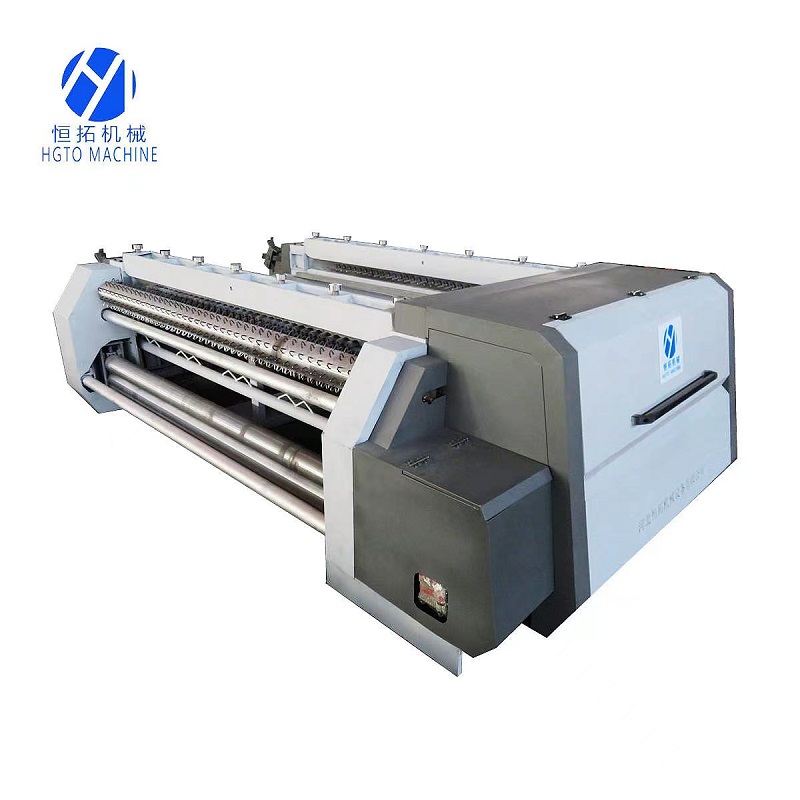
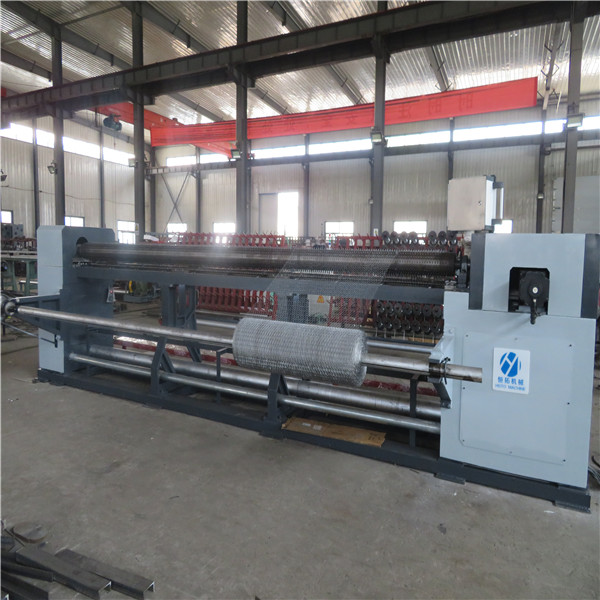
The challenge for many operators lies in achieving a consistent hexagonal geometry while handling various materials, from galvanized iron to PVC-coated wires. A horizontal structural design is often preferred to ensure smoother running and reduced vibration, which is critical for maintaining the integrity of the mesh size. By integrating intelligent automation, production facilities can now achieve high-volume output with a significantly smaller footprint and lower energy consumption.

The transition to a positive twisted design represents a significant leap in weaving technology. Unlike traditional methods, this configuration allows for the creation of ultra-small mesh sizes, starting from 10mm, which are essential for specialized applications like floral arrangements and high-precision pipeline insulation. The horizontal architecture ensures that the machine operates with minimal oscillation, which is the primary cause of wire breakage and irregular mesh shapes in lower-end equipment.
Material versatility is a core strength of this engineering approach. The equipment is designed to handle both galvanized iron wire and plastic-coated wire without requiring extensive mechanical reconfiguration. This flexibility allows producers to pivot between different market demands—such as switching from heavy-duty industrial fencing to lightweight breeding nets—with minimal downtime. The integration of high-torque motors ensures that even the thicker wire diameters can be twisted with precision and speed.

Labor costs remain one of the highest overheads in wire mesh production. The implementation of a Programmable Logic Controller (PLC) system simplifies the operation to the point where only two skilled personnel are required to manage the entire production line. This automation not only reduces the payroll burden but also eliminates human error in setting the mesh width and twist frequency, ensuring that every meter of mesh meets the required specifications.
Beyond labor, electricity consumption has been a focal point of recent design improvements. By optimizing the motor efficiency and reducing the overall machine volume, the footprint is minimized while power draw is lowered. This makes the equipment more sustainable and cost-effective for small to medium enterprises (SMEs) that need to maximize their available floor space without sacrificing output capacity.
The utility of hexagonal netting extends across multiple sectors. In the agricultural sector, these nets are indispensable for breeding and livestock containment. In the construction and infrastructure domain, they provide essential support for pipeline insulation and erosion control. The ability to customize mesh sizes and wire diameters allows the product to be tailored for specific environmental stresses, such as high-humidity areas where coated wires are necessary to prevent oxidation.
Key application scenarios include:
| Mesh Size (mm) | Wire Diameter (mm) | Mesh Width (mm) | Motor Power (KW) |
|---|---|---|---|
| 10 - 20 | 0.38 - 0.5 | 1200 / 2300 | 3 / 5 |
| 25 - 33 | 0.38 - 0.8 | 1200 / 2300 | 15 / 20 |
| 38 - 50 | 0.38 - 1.0 | 1200 / 2300 | 18 / 22 |
| 55 - 65 | 0.38 - 1.2 | 1200 / 2300 | 27 / 33 |
| 70+ | 0.4 - 1.5 | Customizable | Application-specific |
When procuring industrial weaving equipment, buyers often overlook the importance of after-sales support and customs expertise. A manufacturer with a long history of global exports understands the complexities of international shipping and clearance, which prevents costly delays. Furthermore, the ability to provide localized support for PLC troubleshooting is a critical differentiator between a simple vendor and a strategic partner.
Evaluating the R&D capabilities of the supplier is also paramount. The evolution of the hexagonal wire mesh machine from basic manual twists to high-speed PET (Polyester) weaving—reaching speeds of up to 20 times per minute—demonstrates the necessity of continuous technical innovation. Buyers should look for suppliers who invest in R&D to ensure their machinery remains compatible with emerging materials and energy-efficiency standards.
The industry is moving toward "Intelligent Manufacturing," where machines are not just automated but are capable of real-time diagnostics. Future iterations of weaving equipment are expected to integrate sensors that can detect wire tension fluctuations and automatically adjust the PLC parameters to prevent breakage. This will further increase the "uptime" of production lines and reduce material waste.
Additionally, the shift toward sustainable materials is driving the demand for machines that can handle recycled polymers and biodegradable coated wires. As environmental regulations tighten, the ability to weave these alternative materials without sacrificing the structural integrity of the hexagonal mesh will be the primary competitive advantage for manufacturers worldwide.
The new positive twisted design allows for a minimum mesh size of 10mm, making it suitable for fine applications such as floral decoration and precise insulation wrapping.
Yes, the equipment is engineered to weave both galvanized iron wire and plastic-coated wire, providing versatility for different industrial and agricultural requirements.
The PLC system simplifies the operational interface, allowing just two people to manage the machine, which significantly lowers long-term labor costs compared to manual setups.
A horizontal structure promotes smoother running and reduces mechanical vibration, which ensures a more consistent weave and extends the lifespan of the machine components.
Yes, while standard widths like 1200mm and 2300mm are common, the machinery can be configured to manufacture customized types based on specific customer requirements.
Small hexagonal mesh is typically used for pipeline insulation, animal breeding, floral decoration, wedding flower arrangement, and specialized fencing.
Investing in high-precision weaving technology is a strategic move for any manufacturer looking to scale their production of twisted wire mesh. By focusing on automation, material flexibility, and structural stability, you can ensure a competitive edge in the global industrial market.