Hit enter to search or ESC to close
When selecting industrial equipment for producing honeycomb-style fencing or reinforced cages, the efficiency of the twisting mechanism and the precision of the mesh size are paramount. A high-performance hexagonal wire mesh machine is engineered to transform galvanized or coated wire into a stable, interlocking structure characterized by its exceptional flexibility and strength. For operators in the breeding, construction, and floral decoration sectors, the ability to customize wire diameter and aperture is not just a preference but a technical necessity to ensure the end product meets specific structural loads.
Hebei Mingyang Intelligent Equipment Co., Ltd. specializes in advanced weaving solutions that reduce labor costs through PLC integration and optimized horizontal structural designs. By focusing on the synergy between motor power and twisting speed, these systems allow for the production of small-aperture mesh, often used in pipeline insulation and specialized agricultural fencing, while maintaining a smaller physical footprint to lower overall electricity consumption in the factory.

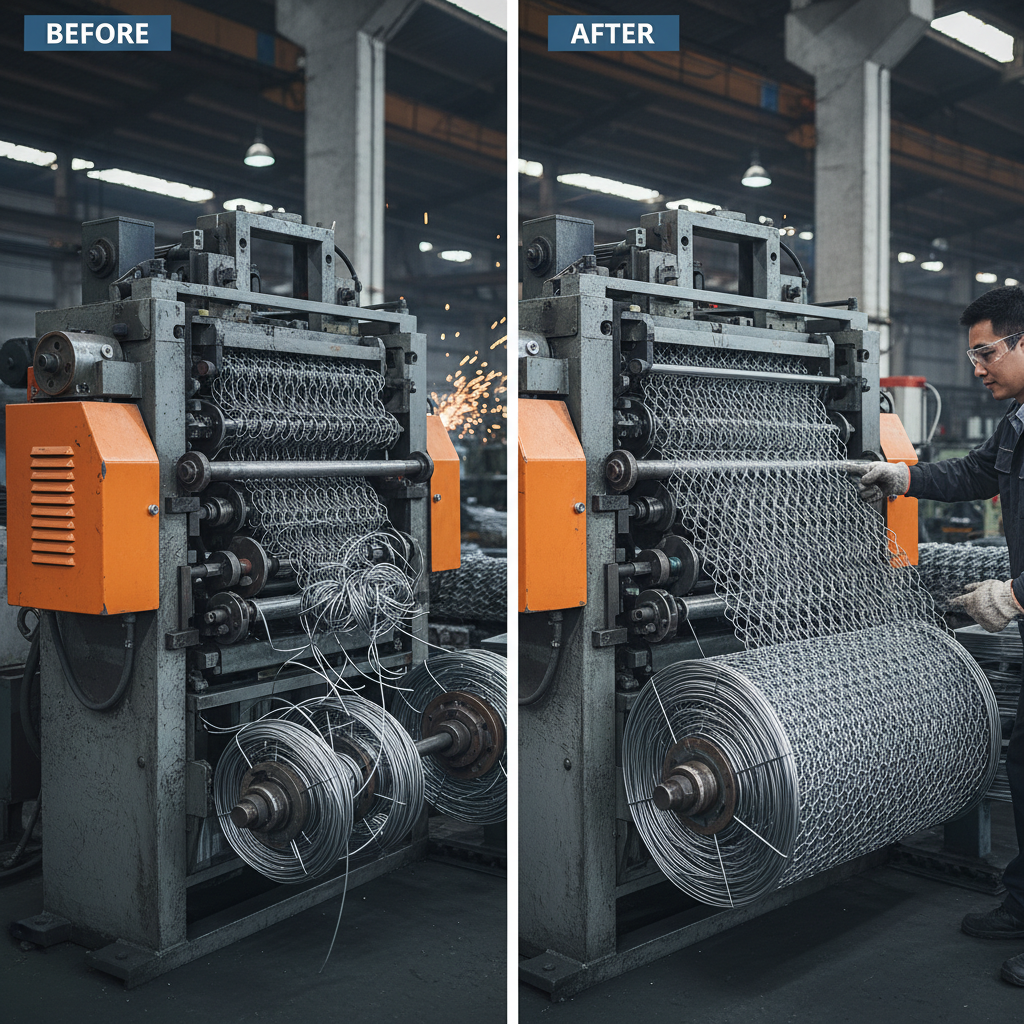
The core of modern wire mesh production lies in the precision of the twisting cycle. Unlike traditional methods, the new design of the positive twisted hexagonal wire mesh machine allows for significantly smaller mesh sizes, starting from 10mm. This is achieved through a refined mechanical synchronization that ensures each twist is locked securely, preventing the mesh from unraveling under tension. This technical leap is critical for industries requiring tight-weave barriers, such as poultry breeding or delicate floral arrangements.
From an engineering perspective, the transition to a horizontal structure has fundamentally improved the operational stability of the equipment. By redistributing the mechanical stress across a flatter plane, the machine experiences fewer vibrations during high-speed operation. This not only extends the lifespan of the wearable components but also ensures that the wire diameter remains consistent across the entire width of the fabric, whether the operator is using raw galvanized iron wire or plastic-coated varieties.

The utility of honeycomb mesh extends far beyond simple fencing. In the energy sector, small-mesh hexagonal fabrics are frequently utilized for pipeline insulation, providing a durable substrate for thermal wrapping. In the agricultural realm, these materials are indispensable for creating breeding enclosures that offer high visibility and ventilation while remaining secure enough to contain livestock. The ability to customize the mesh width and wire gauge allows manufacturers to pivot quickly between these diverse market demands.
Furthermore, the aesthetic and functional properties of the mesh make it a staple in the floral and wedding decoration industries. The lightweight yet rigid nature of the produced net provides an ideal skeleton for complex floral arrangements. Because the equipment can handle varying wire diameters—from 0.38mm up to 1.5mm—the resulting products can range from nearly invisible support nets to heavy-duty industrial gabions used in civil engineering for erosion control and riverbank stabilization.
One of the most significant challenges in wire mesh manufacturing is the reliance on skilled labor for machine setup and monitoring. The integration of Programmable Logic Controllers (PLC) has transformed this workflow. By automating the timing and tensioning of the weave, the complexity of the operation is shifted from the operator to the software. This means that a team of only two people can efficiently manage the production line, drastically reducing long-term payroll expenses and minimizing human error during the winding process.
Efficiency is also measured by the throughput of the equipment. The synergy between the spool winding machine and the main weaving unit ensures a continuous feed of raw material, eliminating frequent downtime for reel changes. When combined with the low power consumption of the modern motor configurations, the cost per linear meter of mesh is significantly lowered, providing a competitive edge for manufacturers targeting high-volume contracts in the global export market.
| Mesh Size (mm) | Mesh Width (mm) | Wire Diameter (mm) | Motor Power (KW) |
|---|---|---|---|
| 10 (Positive) | 1200 / 2300 | 0.38 - 0.5 | 3 / 5 |
| 20 (Positive) | 1200 / 2300 | 0.38 - 0.5 | 15 |
| 30 (Positive) | 1200 / 2300 | 0.38 - 0.8 | 18 |
| 40 (Positive) | 1200 / 2300 | 0.38 - 0.9 | 22 |
| 50 (Positive) | 1200 / 2300 | 0.38 - 1.0 | 27 |
Maintaining consistency in the hexagonal aperture is the primary marker of a high-quality weaving system. Variations in twist tension can lead to "warping," where the mesh loses its geometric integrity, making it unsuitable for precision applications like pipeline wrapping. Hebei Mingyang employs a strict quality control protocol where each device undergoes rigorous testing to ensure stable output even in harsh industrial environments. This commitment to reliability is why their machinery is exported to over 40 countries and regions.
The durability of the final product is also dependent on the machine's ability to handle different coatings without stripping them. Whether utilizing a hot-dip galvanized wire or a PVC-coated strand, the feeding mechanism must be smooth to prevent surface abrasions. By utilizing high-grade materials in the construction of the weaving heads and guides, the equipment ensures that the protective layer of the wire remains intact, thereby maximizing the corrosion resistance of the finished mesh in outdoor environments.
For business owners looking to expand their production capacity, the decision should not be based on price alone but on the total cost of ownership. This includes considering the electricity consumption, the required staffing levels, and the versatility of the equipment. A machine that can handle a wide range of wire diameters (from 0.38mm to 1.5mm) allows a factory to serve multiple market segments—from lightweight decorative nets to heavy-duty gabions—without needing to invest in multiple specialized lines.
Customization is another critical factor. Since different regions have different standards for mesh sizes and widths, partnering with a manufacturer that offers customized types is essential. Evaluation of the supplier's export experience is also recommended to ensure smooth customs clearance and reliable after-sales support. With over 30 years of experience in the field, the ability to provide pick-up services and translation support during factory visits reflects a commitment to transparency and long-term partnership.
The new positive twist design allows for a minimum mesh size of 10mm, which is ideal for specialized applications like pipeline insulation and breeding.
Yes, the system is designed to weave both galvanized iron wire and various types of coated wires, including plastic-coated options.
Due to the simplified PLC operation, the entire process can be managed by just two people, significantly reducing long-term labor costs.
The horizontal structure ensures the equipment runs more smoothly with reduced vibration, leading to better stability and a longer service life.
Yes, the manufacturer can produce customized types of machinery to meet specific mesh size and width requirements based on customer needs.
Small mesh is commonly used for pipeline insulation, animal breeding, floral decoration, wedding arrangements, and various types of fencing.
Investing in precision weaving technology is the key to scaling production while maintaining structural integrity. Whether you are upgrading an existing facility or establishing a new production line, prioritizing PLC integration and structural stability will ensure long-term profitability and product quality.