Hit enter to search or ESC to close
23 June 2026
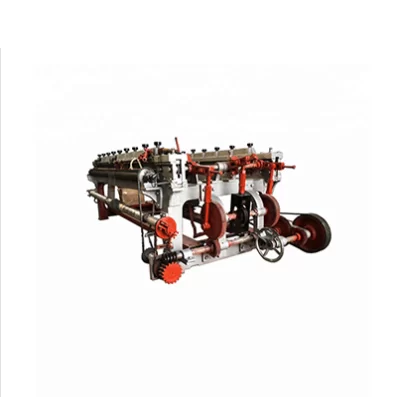
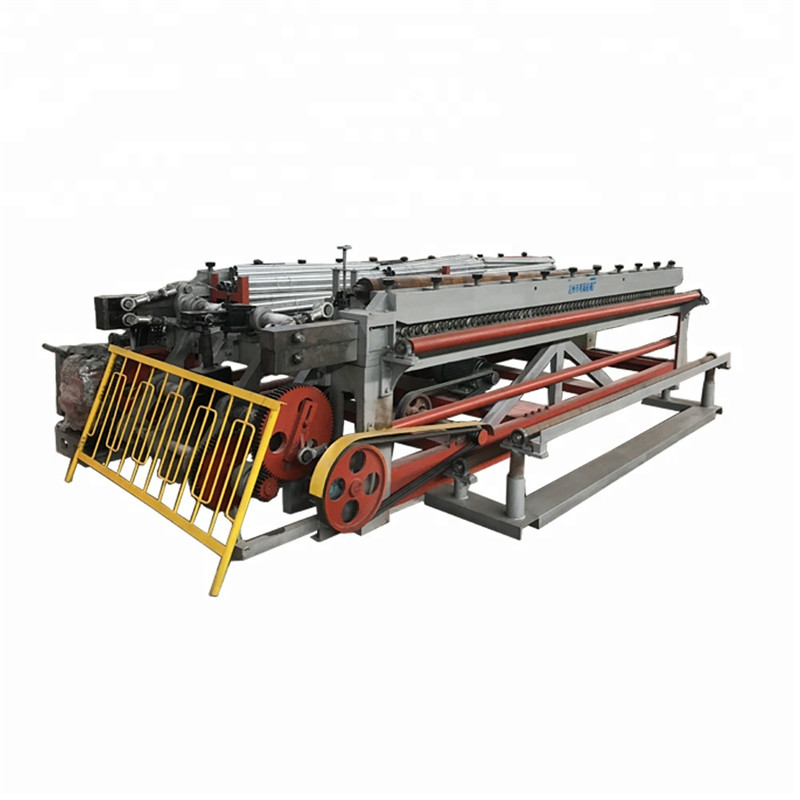
In the realm of civil engineering and erosion control, the demand for high-quality stone cages has surged, making the investment in a professional gabionwire mesh machine more critical than ever. These machines are engineered to automate the weaving process, ensuring that the resulting mesh is robust, uniform, and capable of withstanding extreme environmental pressures. Whether you are focusing on riverbank stabilization, retaining walls, or landscape architecture, the right machinery determines the structural integrity of your project. In this guide, we will explore the technical advantages, operational efficiency, and selection criteria for choosing the best weaving equipment to scale your production.

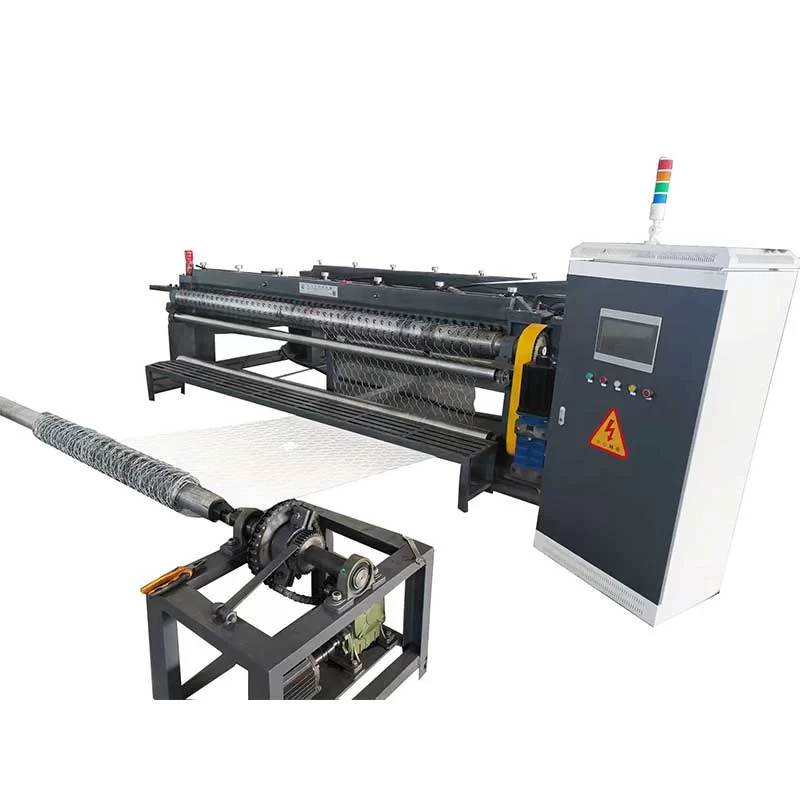
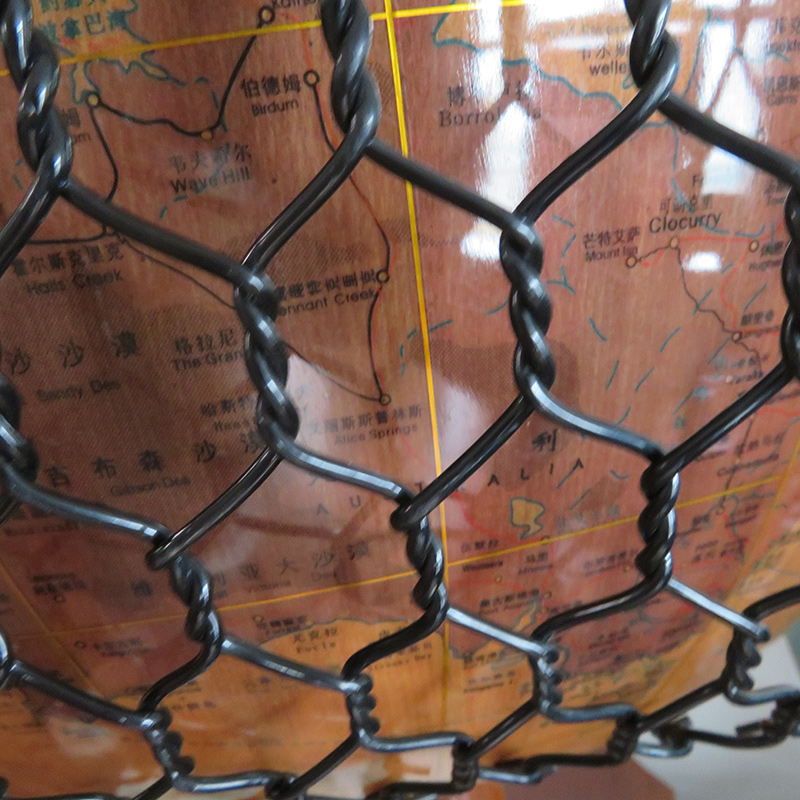
A high-performance gabionwire mesh machine operates on the principle of precision weaving. By utilizing heavy-duty steel components and advanced PLC control systems, these machines can handle various wire diameters and mesh sizes. The primary goal is to create a hexagonal or rectangular weave that provides maximum stability when filled with stones. Modern iterations of these machines focus on reducing waste and increasing linear speed, allowing manufacturers to produce kilometers of mesh with minimal human intervention. This automation not only lowers labor costs but also eliminates the inconsistency often found in manual weaving.
Industry Insight: The transition from manual to automatic weaving has increased production output by nearly 400% in the last decade, significantly reducing the lead time for large-scale infrastructure projects.
When evaluating your production needs, it is essential to understand the gap between traditional methods and the modern gabionwire mesh machine technology. Manual weaving is virtually obsolete for commercial projects due to its slow pace and lack of uniformity. Automatic systems, conversely, offer synchronized tension control and precise cutting, which are vital for meeting international engineering standards. The following comparison highlights why automation is the only viable path for growing businesses.
Selecting the right gabionwire mesh machine requires a deep dive into the technical specifications. The ability to adjust the mesh size and the wire gauge allows a manufacturer to pivot between different project requirements, such as light decorative baskets or heavy-duty flood defense walls. Durability of the machine's chassis and the quality of the weaving needles are the two most important factors in ensuring a long machine lifespan and reducing downtime for maintenance.

To get the most out of your gabionwire mesh machine, operational optimization is key. This includes the precise calibration of wire tension to prevent the mesh from sagging or twisting during the weaving process. Furthermore, using high-quality galvanized or PVC-coated wire ensures that the finished product meets anti-corrosion standards. Skilled operators should regularly inspect the weaving heads and lubricate moving parts to maintain the machine's high-speed efficiency without risking mechanical failure.
Operational Tips for Max Yield:
• Calibrate Tension: Ensure uniform tension across all wire feeds to avoid structural weak points.
• Wire Quality: Use only certified high-tensile steel wire to prevent breakage during high-speed weaving.
• Regular Maintenance: Follow a strict lubrication schedule for all gears and bearings.
• PLC Monitoring: Keep an eye on the digital control panel for any deviation in weaving speed.
Depending on the scale of your operation, you may require different machine capacities. A standard professional gabionwire mesh machine is designed to be versatile, accommodating a range of wire thicknesses. Below is a typical specification table for industrial-grade weaving machinery, providing a clear overview of what to expect in terms of performance and capability.
Investing in a high-quality gabionwire mesh machine is a strategic move for any company specializing in erosion control and civil construction. By transitioning to automated weaving, you ensure that every meter of mesh produced meets the highest standards of strength and precision. This not only improves the safety and longevity of the end projects but also drastically optimizes your production costs. When quality and efficiency are non-negotiable, the right machinery is the foundation of your success.
Choosing the right wire is crucial for both machine longevity and product quality. We recommend using galvanized steel wire for standard projects to prevent rust and corrosion. For environments with high salinity or chemical exposure, PVC-coated wire is the superior choice. Always ensure the wire diameter is within the machine's specified range (e.g., 2.0mm to 4.0mm) to avoid putting undue stress on the weaving needles and gears. Using inconsistent wire grades can lead to frequent machine jams and uneven mesh sizes, which can compromise the structural integrity of the final gabion baskets.
To maintain peak performance, a three-tier maintenance approach is recommended. Daily: Lubricate all primary moving joints and clear any wire debris from the weaving area. Weekly: Inspect the tensioning springs and PLC settings for any drifts. Monthly: Perform a comprehensive check on the wearing parts, such as the needles and cutting blades, replacing them if signs of bluntness appear. Consistent maintenance not only extends the life of your gabionwire mesh machine but also ensures that your production speed remains constant and the quality of the mesh remains uniform.
Yes, most professional industrial machines are designed for versatility. By adjusting the gear settings and the weaving pattern in the PLC control system, a single machine can produce different mesh sizes (e.g., shifting from 8x10cm to 10x12cm). Some advanced models even allow for a switch between hexagonal weaving (traditional for gabions) and rectangular weaving. This flexibility allows manufacturers to respond quickly to different client specifications without needing to invest in multiple separate machines, making the gabionwire mesh machine a highly cost-effective asset for any production facility.
Automation removes the element of human error, which is the primary cause of defects in manual weaving. An automatic system maintains a constant, precise tension on every single wire, ensuring that the hexagonal cells are identical across the entire roll. This uniformity is critical because if one area of the mesh is looser than others, it becomes a point of structural failure once the cage is filled with heavy stone. Furthermore, automated cutting ensures that the ends of the mesh are precise, facilitating easier assembly and stitching of the baskets on the construction site.