Hit enter to search or ESC to close
21 June 2026
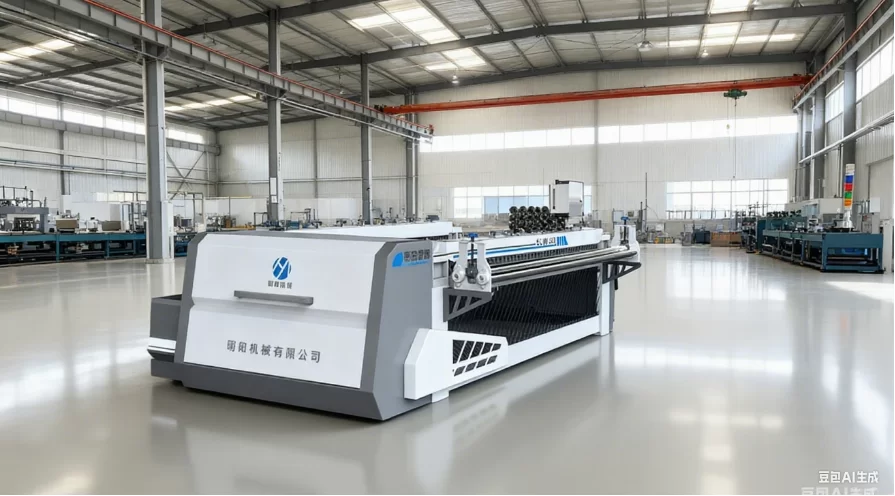
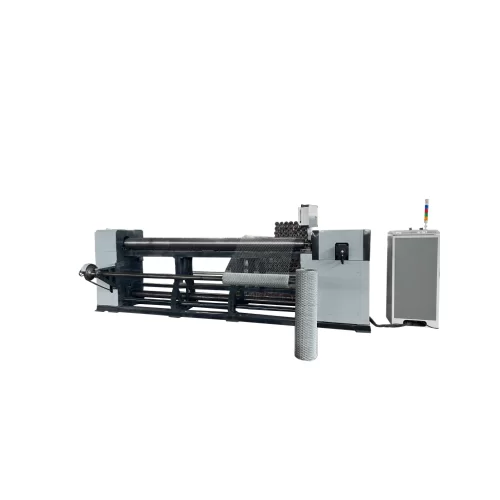
In the modern landscape of civil engineering and erosion control, the demand for high-quality stone cages has surged. To meet this need, investing in a high-performance gabionwire mesh machine is essential for manufacturers looking to scale their operations. These machines are engineered to weave galvanized or PVC-coated wires into robust hexagonal meshes, providing the structural integrity required for retaining walls and riverbank stabilization. Whether you are starting a new venture or upgrading an existing plant, understanding the technical nuances of these machines ensures maximum efficiency and product longevity. In this guide, we will explore how the right machinery transforms wire into durable infrastructure solutions.

A professional gabionwire mesh machine operates on a sophisticated weaving principle that ensures each wire intersection is locked securely. The process begins with the feeding of high-tensile wire, which is then precisely guided through a series of shuttles and needles. By utilizing automated tension control, the machine prevents deformations and ensures a consistent mesh size across the entire roll. This precision is critical because any variation in the hexagonal opening can compromise the strength of the final gabion basket, potentially leading to structural failure in the field.
Technical Insight: The use of PLC (Programmable Logic Controller) systems in modern weaving machines allows operators to adjust mesh width and aperture size with minimal downtime, significantly increasing overall equipment effectiveness (OEE).
When comparing traditional manual weaving to an automated gabionwire mesh machine, the difference in productivity is staggering. Automation not only reduces labor costs but also eliminates human error, ensuring that every meter of mesh meets international safety standards. High-speed looms can now produce hundreds of square meters per shift, allowing companies to fulfill large-scale government infrastructure contracts. Furthermore, the integration of wear-resistant components reduces the frequency of maintenance, keeping the production line running smoothly during peak demand seasons.
Not all machinery is created equal. Depending on the target market—whether it is for luxury landscaping or heavy-duty flood defense—the specifications of your gabionwire mesh machine will vary. Key considerations include the maximum wire diameter the machine can handle and the range of mesh sizes it can produce. For instance, heavy-duty applications require thicker galvanized wire, which necessitates a more robust frame and higher torque motors to prevent mechanical fatigue. By matching the machine's capability with your product roadmap, you avoid the costly mistake of under-investing in equipment that cannot scale.

To ensure a long service life for your gabionwire mesh machine, a rigorous maintenance schedule is non-negotiable. Lubrication of the moving shuttles and regular inspection of the weaving needles prevent friction-induced wear. Furthermore, maintaining a clean environment prevents dust and metal shards from interfering with the sensor arrays. Companies that implement a preventative maintenance strategy typically experience 30% less downtime than those who only repair machines after a failure occurs. This proactive approach ensures that production deadlines are met and product quality remains consistent.
When evaluating a gabionwire mesh machine, technical data provides the clearest picture of its capabilities. From the motor power to the maximum width of the fabric, every detail affects your bottom line. Most industrial-grade machines utilize a combination of mechanical gears and electronic servos to achieve high precision. The following table summarizes the typical specifications found in high-end models designed for global export.
The global shift toward "green" infrastructure is driving a renewed interest in gabion systems. Because they allow for natural drainage and integrate seamlessly into landscapes, they are preferred over solid concrete walls. Consequently, the demand for versatile gabionwire mesh machine setups is increasing. We are seeing a trend toward multi-functional machines that can switch between different mesh patterns rapidly. As sustainability becomes a priority, manufacturers are also focusing on machines that can handle recycled wire materials without losing structural integrity, further expanding the market reach of gabion products.
Investing in a premium gabionwire mesh machine is more than just a purchase; it is a strategic move toward operational excellence. By combining precision engineering, automated efficiency, and robust durability, these machines empower manufacturers to deliver superior products that stand the test of time. Whether your goal is to dominate the local construction market or expand your exports globally, the right technology is the foundation of your success. Choose quality, prioritize maintenance, and scale your production with confidence.
With proper maintenance, an industrial-grade gabionwire mesh machine can last between 10 to 15 years. The lifespan is heavily dependent on the quality of the components used during manufacturing and the diligence of the operator. Regular lubrication, timely replacement of wear parts like weaving needles, and protection from extreme environmental moisture are key. Many operators find that a rigorous quarterly audit of the mechanical systems can extend the machine's life by several years, ensuring a higher return on investment.
Yes, most modern machines are designed to be versatile. However, PVC-coated wire has a slightly different friction coefficient and thickness than plain galvanized wire. To ensure optimal results, operators may need to adjust the tension settings on the gabionwire mesh machine. High-end models often feature quick-change settings or digital presets that allow the user to switch between different wire types without having to manually recalibrate the entire system.
Meeting international standards (such as ASTM or EN) requires a combination of high-quality raw materials and precise machinery. The gabionwire mesh machine ensures the geometry of the weave is correct, but you must also verify the zinc coating thickness and the tensile strength of the wire used. Implementing a quality control check every 50 meters of production—measuring the aperture size and checking for loose weaves—will ensure your product remains compliant and safe for heavy-duty engineering projects.
Power requirements vary based on the machine's capacity and the wire diameter it processes. Most industrial machines operate on three-phase electricity (380V/415V) to provide the necessary torque for the heavy-duty motors. It is highly recommended to use a voltage stabilizer to protect the PLC and electronic components from power surges, which could otherwise cause costly downtime or damage to the control board. Always consult the technical manual provided by the manufacturer for the specific electrical load requirements of your model.