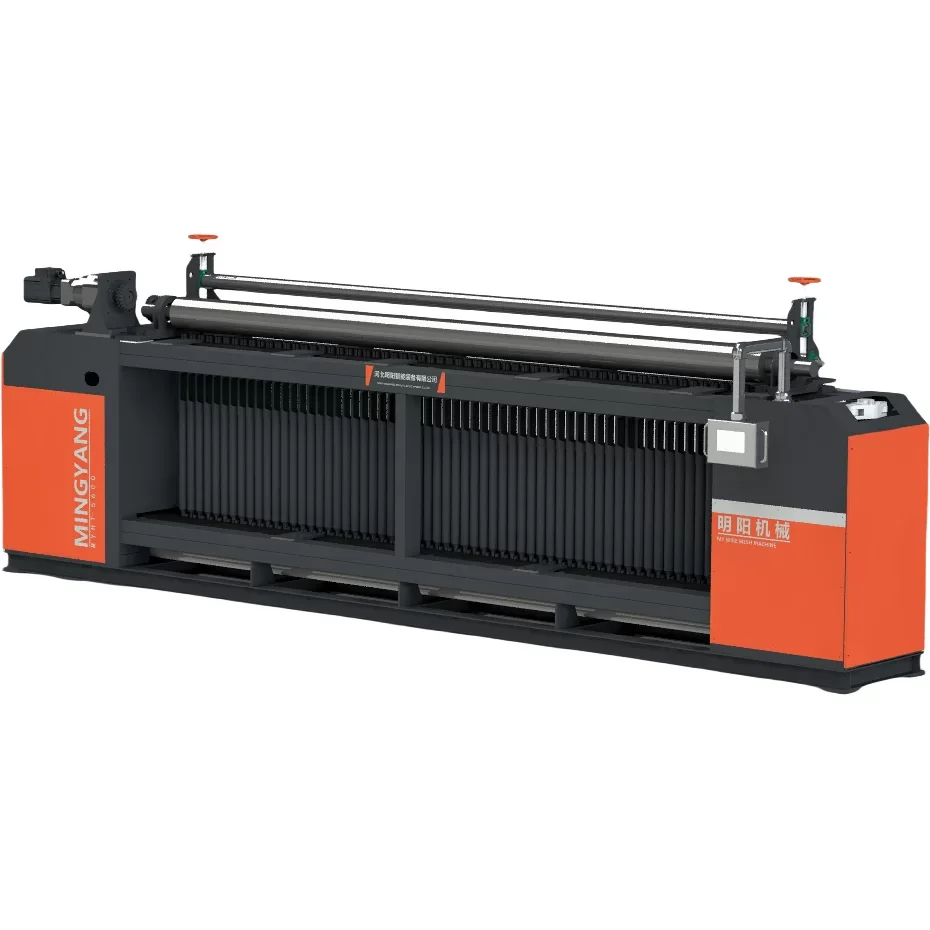
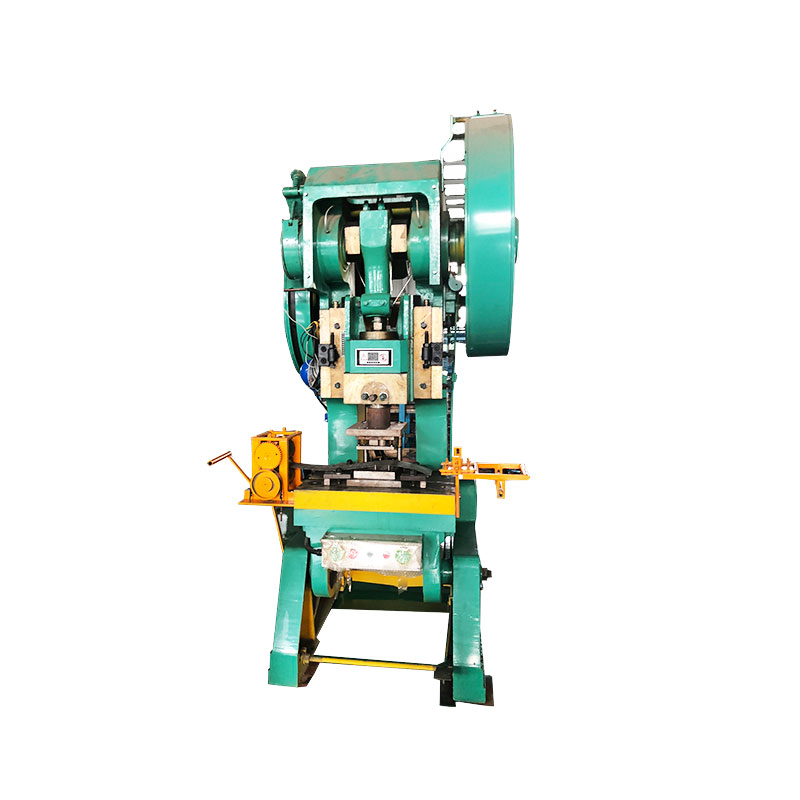
The global demand for versatile fencing and containment solutions has led to a significant surge in the adoption of the hexagonal wire mesh machine. This specialized equipment is the backbone of producing "chicken wire," a material essential for everything from poultry farming to sophisticated geological erosion control. Understanding the mechanics and efficiency of these machines allows manufacturers to optimize their output and meet the rigorous standards of modern infrastructure.
In an era where industrial precision is paramount, the evolution of the hexagonal wire mesh machine has shifted from manual weaving to high-speed, PLC-controlled automation. This transition not only increases the meters of mesh produced per hour but also ensures a consistent mesh size and structural integrity, which is critical for safety-rated applications in construction and mining.
Investing in a high-quality hexagonal wire mesh machine provides a strategic advantage by reducing labor costs and minimizing material waste. By leveraging advanced engineering, businesses can now produce customized mesh widths and wire diameters, catering to niche markets such as floral decoration, pipeline insulation, and high-security perimeter fencing.

Global Relevance of Hexagonal Wire Mesh Production
On a global scale, the production of hexagonal mesh is indispensable for agricultural security and environmental protection. According to industrial trends aligned with ISO quality standards, the need for reliable containment solutions is rising in developing economies, where the hexagonal wire mesh machine plays a pivotal role in supporting local livestock industries and preventing soil erosion in mountainous regions.
The primary challenge facing the industry has been the balance between production speed and the precision of the twist. Older machinery often struggled with tension consistency, leading to distorted hexagons. Modern engineering has solved this through horizontal structures and synchronized gearing, ensuring that the mesh remains stable even under extreme environmental stress.
Understanding the Mechanics of a Hexagonal Wire Mesh Machine
At its core, a hexagonal wire mesh machine is a precision instrument designed to twist and weave galvanized or coated iron wires into a repeatable hexagonal pattern. Unlike standard welded mesh, the hexagonal structure is created through a twisting process that allows the mesh to be flexible yet strong, making it ideal for wrapping around irregular shapes.
The mechanical process involves feeding the wire through a series of guides and twisting heads that precisely manipulate the wire's orientation. The "positive twist" design in modern machines allows for smaller mesh sizes, starting from 10mm, which opens up new possibilities for specialized applications like pipeline insulation and delicate floral arrangements.
Furthermore, the integration of PLC (Programmable Logic Controller) systems has revolutionized how these machines operate. By automating the tension and speed controls, the hexagonal wire mesh machine can now be managed by a minimal crew, drastically reducing overhead costs while increasing the daily tonnage of finished product.
Core Technical Components for Maximum Durability
The longevity of a hexagonal wire mesh machine depends heavily on the quality of its drive system. High-torque motors and reinforced gearing ensure that the machine can handle wire diameters ranging from 0.38mm up to 1.5mm without experiencing mechanical fatigue or unplanned downtime.
Scalability is achieved through modular design. A professional hexagonal wire mesh machine allows operators to quickly switch between different mesh widths (e.g., from 1200mm to 2300mm) and mesh sizes, ensuring the equipment can adapt to changing market demands without requiring a total system overhaul.
Material versatility is another cornerstone of modern design. The ability to weave not only galvanized iron wire but also PVC-coated wire allows the hexagonal wire mesh machine to produce corrosion-resistant mesh suitable for coastal areas and harsh industrial environments.
Performance Metrics and Cost Efficiency Analysis
When evaluating the return on investment for a hexagonal wire mesh machine, manufacturers look at the intersection of power consumption and output volume. New designs have focused on reducing the overall footprint of the machine, which not only saves factory space but significantly lowers the electricity required to maintain high-speed operation.
Labor cost reduction is perhaps the most immediate benefit. By transitioning to PLC-operated systems, a process that once required four or five skilled technicians can now be handled by just two people, allowing the business to reinvest those savings into raw material quality or market expansion.
Comparative Efficiency of Hexagonal Wire Mesh Machine Models
Global Applications Across Diverse Industries
The utility of the hexagonal wire mesh machine extends far beyond simple animal pens. In civil engineering, the mesh produced is used for gabion baskets and slope stabilization, where the hexagonal geometry provides a unique structural stability that prevents shifting under the weight of heavy stones.
In specialized sectors, small-mesh output is utilized for high-end floral decorations and wedding arrangements, proving that the machine's output can range from heavy-duty industrial use to delicate artistic applications. This versatility makes the hexagonal wire mesh machine a multi-purpose asset for any wire processing plant.
Long-Term Value and Sustainability Benefits
Investing in a modern hexagonal wire mesh machine is a commitment to sustainable manufacturing. By reducing the volume of wasted wire through precise cutting and weaving, companies can lower their environmental footprint and reduce the cost of raw material procurement.
Furthermore, the shift toward using coated wires produced by these machines increases the lifespan of the end product. This durability reduces the frequency of replacement in the field, contributing to a more sustainable lifecycle for agricultural and industrial fencing globally.
From a logical business perspective, the reliability of a horizontal structure machine ensures fewer breakdowns. This stability builds trust with clients who require a steady supply of mesh for large-scale government infrastructure projects, ensuring that deadlines are met without compromise.
Future Trends in Automated Weaving Technology
The future of the hexagonal wire mesh machine lies in the integration of IoT (Internet of Things) and AI-driven predictive maintenance. Future iterations will likely feature sensors that can detect wire tension anomalies in real-time, automatically adjusting the machine's speed to prevent breakage before it occurs.
We are also seeing a trend toward "green manufacturing," where machines are optimized for recycled wire inputs. As global policies shift toward a circular economy, the ability of a hexagonal wire mesh machine to process recycled galvanized steel without sacrificing quality will become a key competitive advantage.
Digital transformation will also enable "smart customization," where clients can upload a digital specification of their required mesh size and width, and the PLC system will automatically configure the machine's parameters, eliminating the need for manual setup time.
Technical Specification and Performance Analysis of Hexagonal Wire Mesh Machines
| Mesh Size Range |
Wire Diameter (mm) |
Motor Power (KW) |
Operational Efficiency |
| 10mm - 20mm |
0.38 - 0.5mm |
3.0 - 5.0 KW |
High Precision (9.5/10) |
| 20mm - 30mm |
0.5 - 0.8mm |
5.5 - 7.5 KW |
Balanced (8.8/10) |
| 30mm - 40mm |
0.8 - 1.0mm |
7.5 - 11.0 KW |
Industrial Grade (8.5/10) |
| 40mm - 50mm |
1.0 - 1.2mm |
11.0 - 15.0 KW |
High Strength (8.2/10) |
| 50mm - 60mm |
1.2 - 1.5mm |
15.0 - 22.0 KW |
Heavy Duty (8.0/10) |
| Customized |
0.4 - 1.5mm |
Variable |
Flexible (9.0/10) |
FAQS
Modern, high-precision hexagonal wire mesh machines are now capable of producing a minimum mesh size of 10mm. This is achieved through new positive-twist designs and improved guiding systems, making them suitable for specialized uses like pipeline insulation and decorative crafts.
Yes, a professional-grade hexagonal wire mesh machine is designed to be versatile. It can weave both galvanized iron wire and plastic-coated (PVC) wire, allowing manufacturers to create rust-resistant mesh for coastal or high-moisture environments.
The PLC system automates the complex tension and speed adjustments that previously required constant manual supervision. By simplifying the interface, the hexagonal wire mesh machine can be operated by just two people, significantly lowering long-term labor costs and reducing human error.
A horizontal structure ensures that the wire is fed and twisted with minimal friction and gravitational distortion. This leads to a smoother run, less mechanical vibration, and a more consistent hexagonal shape across the entire width of the mesh, increasing the overall quality of the output.
Absolutely. Most industrial hexagonal wire mesh machines offer adjustable settings for mesh width (typically ranging from 1200mm to 2300mm) and support various wire diameters from 0.38mm up to 1.5mm to meet specific project requirements.
The primary beneficiaries include agricultural enterprises (poultry and livestock fencing), civil engineering firms (erosion control and gabions), and creative industries (floral and wedding decorations), all of which rely on the unique properties of hexagonal mesh.
Conclusion
The hexagonal wire mesh machine stands as a critical intersection of traditional weaving craftsmanship and modern automation. By integrating PLC controls, horizontal structural stability, and material versatility, these machines enable the efficient production of high-quality mesh that serves essential functions in agriculture, engineering, and art. The transition to more automated, energy-efficient models not only drives down production costs but also ensures a level of precision that is mandatory for today's rigorous industrial standards.
Looking forward, the industry is poised for a digital leap, where IoT and sustainable materials will further refine the capabilities of the hexagonal wire mesh machine. For businesses looking to scale their production or enter new markets, investing in high-efficiency weaving technology is the most viable path toward long-term growth and sustainability. To explore the latest in automated weaving solutions, visit our website: www.htmeshmachines.com.