Hit enter to search or ESC to close
10 December 2025
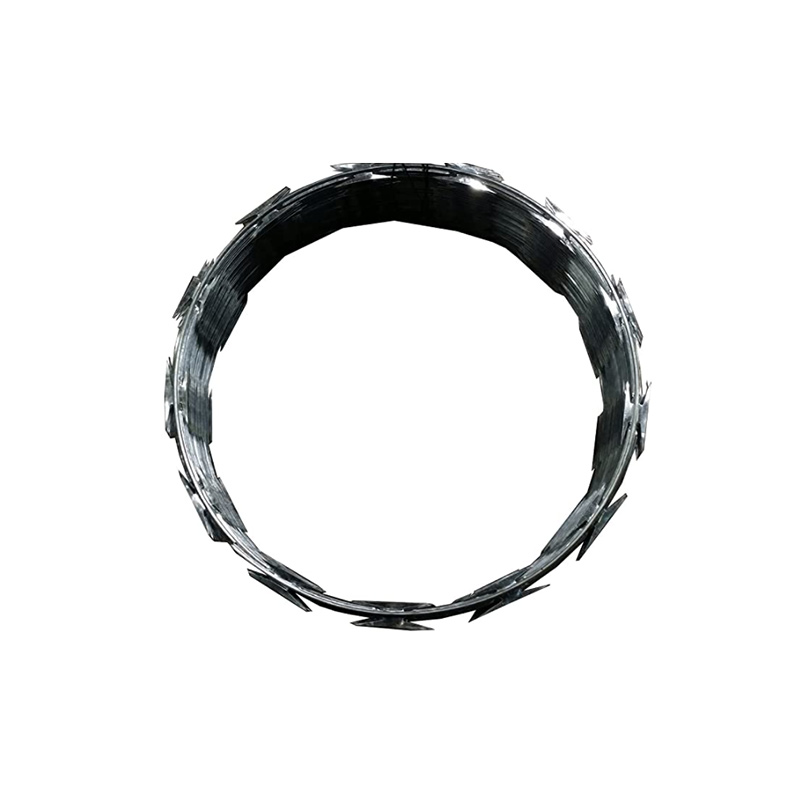
I've been specifying galvanized concertina wire for perimeter upgrades for years — to be honest, it still surprises me how often clients pick the flatter, more compact coils over the classic spiral when space is tight. The product in focus here is the Hot Deep Galvanized Razor Wire BTO-22, a flat-wrap razor coil designed for urban and constrained sites.
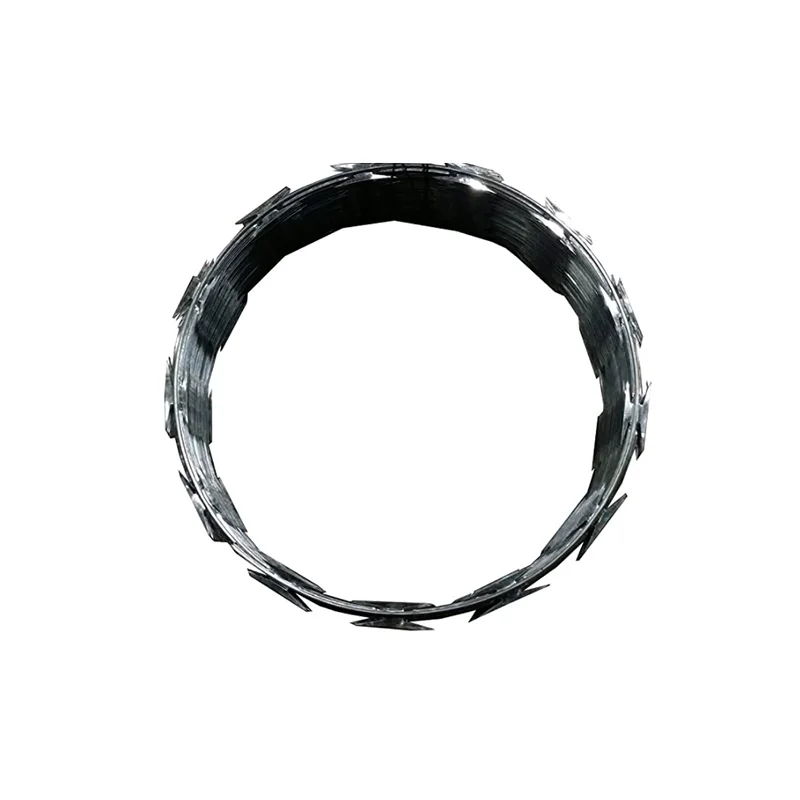
Product name: Hot Deep Galvanized Razor Wire BTO-22. Description: a flat security barrier where coils lie in one plane and adjacent coils are fastened by galvanized staples — compact, protective, and less aggressive-looking than some alternatives.
Parameter | Value (approx.) |
Core wire material | High-carbon steel, hot-dip galvanized |
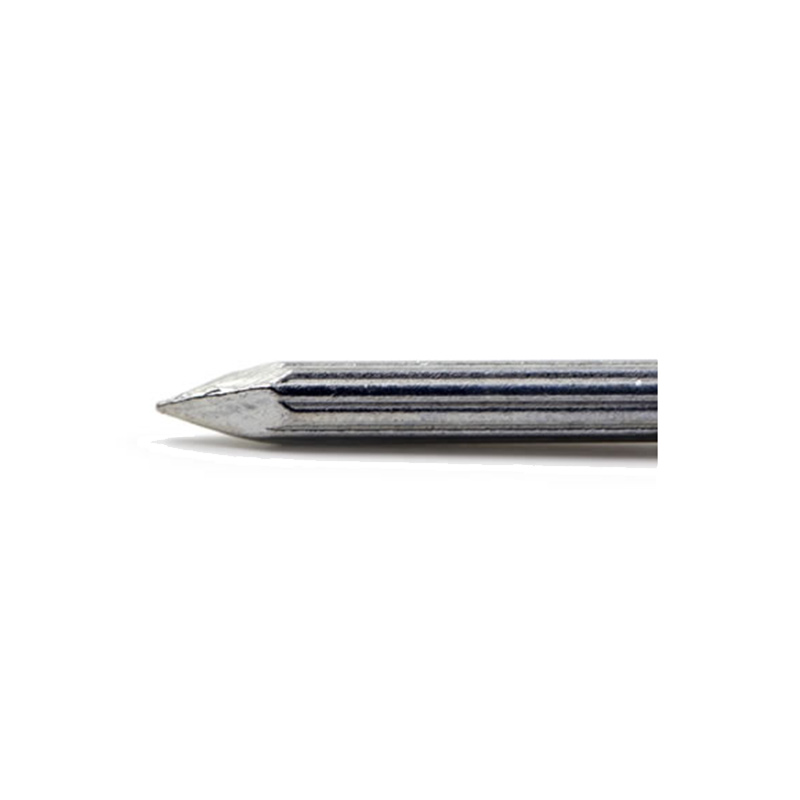
Blade type | Flat razor tape, stamped |
Coating thickness | ≈ 40–85 µm (depending on batch) |
Coil diameter | ≈ 500–800 mm (varies by order) |
Service life | Around 10–25+ years in typical environments; real-world use may vary |
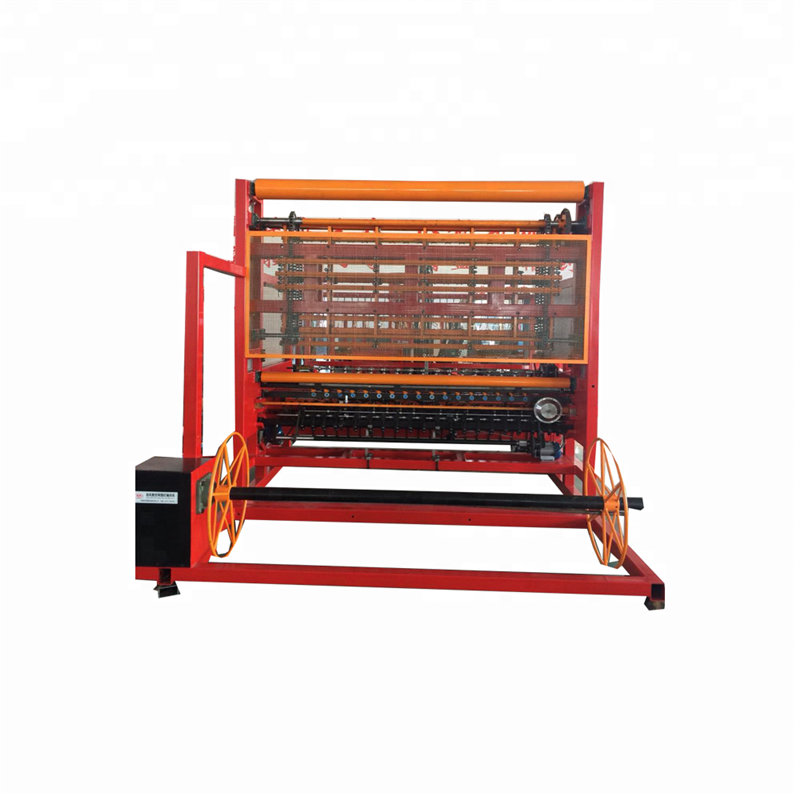
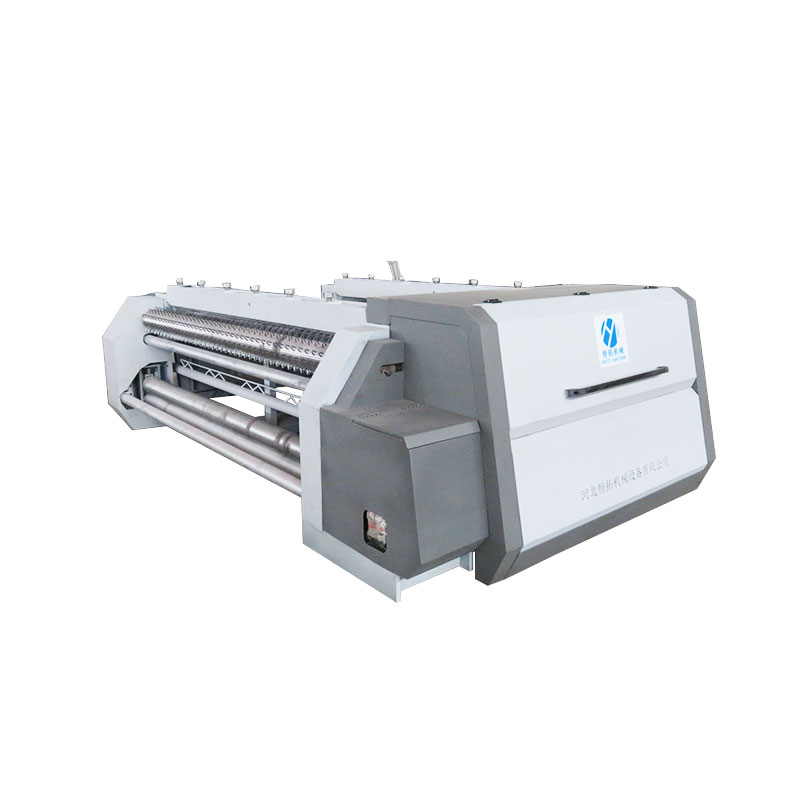
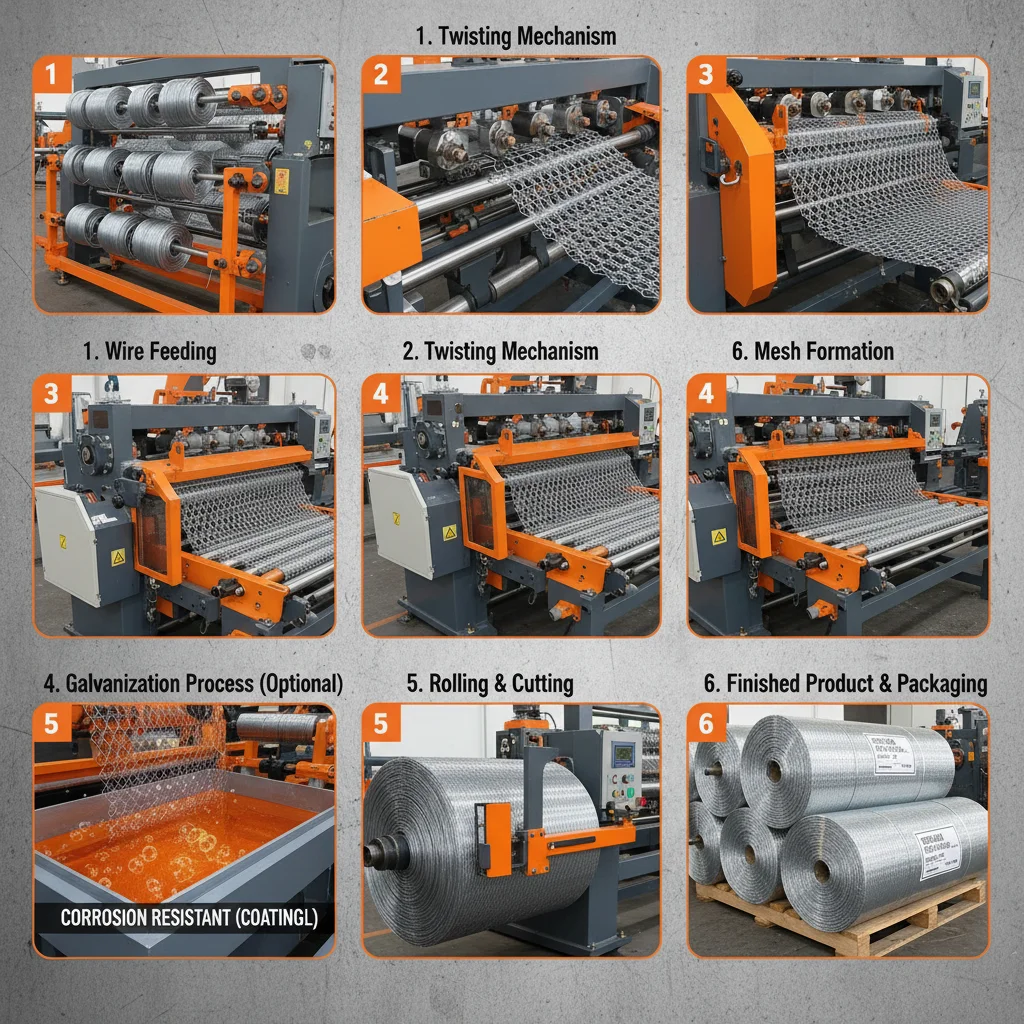
Manufacturing is straightforward but quality-driven: high-carbon wire → hot-dip galvanizing (immersed, then cooled) → stamping blades into tape → wrapping into flat coils → fastening via galvanized staples → finishing inspection. Typical tests include adhesion and coating thickness (micrometer), tensile strength of core wire (N/mm²), and salt spray tests to estimate corrosion resistance. Many vendors also run random mechanical deployment tests to ensure the concertina opens predictably.
Look for compliance with ISO 9001 quality systems and references to ASTM A123 or EN 10223 for galvanizing and wire products. Salt spray performance: typical hot-dip coatings show better baseline corrosion resistance vs. electro-galvanized alternatives — in lab conditions you might see 240–1000 hours to first red rust depending on coating mass — again, real sites vary.
Common uses: municipal boundaries, rooftop security where space is limited, prison perimeter upgrades, industrial yards, transport depots. Many customers say the flat design looks less hostile on urban roofs while keeping deterrence high — I noticed that too on a recent rooftop project where planners insisted on aesthetics.
Vendor | Coating | Lead time | Notes |
HT Mesh Machines (BTO-22) | Hot deep (hot-dip) | ≈ 2–6 weeks | Flat-wrap, staples between coils; compact for urban use |
Vendor B | Electro-galv. | ≈ 1–3 weeks | Cheaper upfront; shorter lifespan in harsh climates |
Vendor C | Stainless alloy option | ≈ 4–10 weeks | High corrosion resistance; much higher cost |
You can customize coil diameter, staple type, and finish. For coastal installations I usually recommend thicker zinc coatings or specified sacrificial masses. Installation teams often add concrete or steel standoffs; installers report that the flat coils are faster to mount in restricted areas — surprisingly handy.
If you're considering perimeter upgrades, ask vendors for test reports (coating mass g/m², tensile data) and references for similar installations. In my experience, the balance between cost and longevity usually favors hot-dip options like the BTO-22 for medium-term urban projects.
1. ASTM A123 / A123M — Standard Specification for Zinc (Hot-Dip Galvanized) Coatings on Iron and Steel Products
2. EN 10223 — Steel wire and wire products for fencing; galvanizing and product standards
3. ISO 9001 — Quality management systems (manufacturer certifications/reports)
Note: this is an industry overview and not a substitute for site-specific design. For product specifics and ordering, see the manufacturer's page linked above.