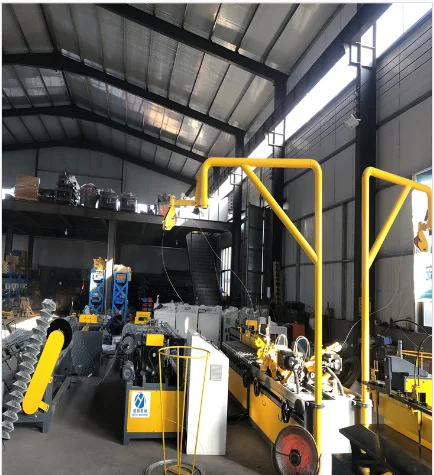
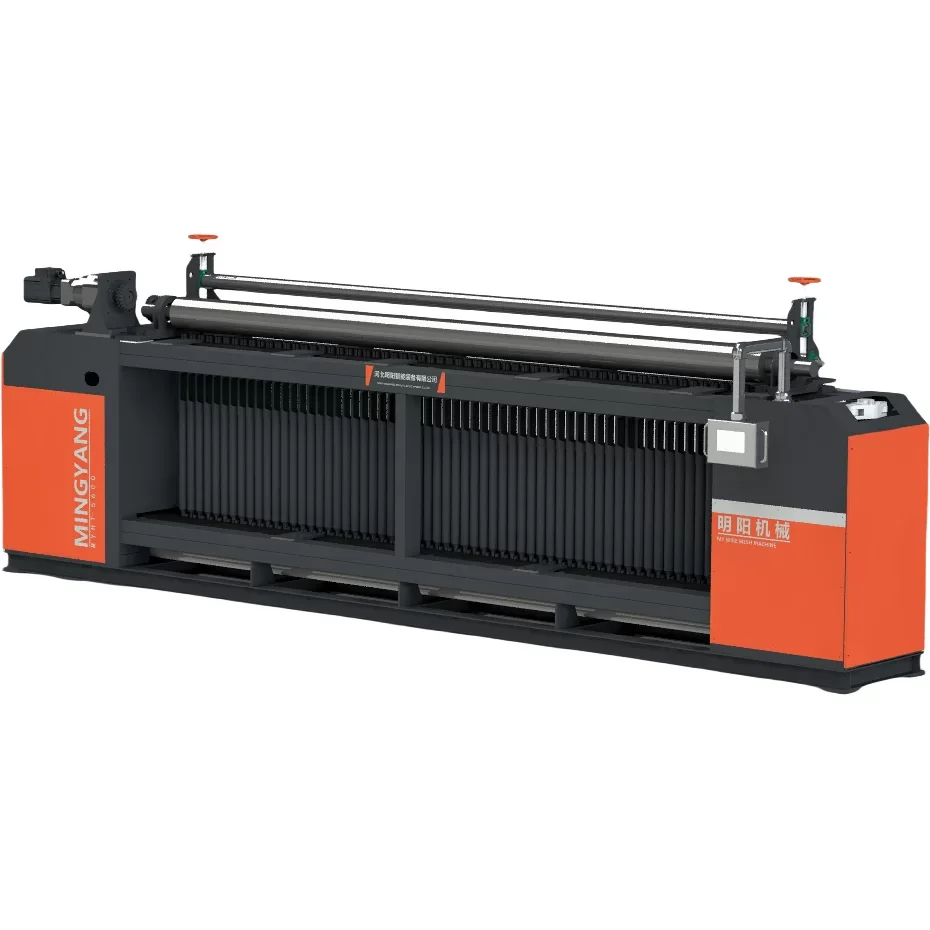
The global demand for sustainable infrastructure and erosion control has led to a significant surge in the adoption of gabion systems. These rock-filled wire baskets provide essential stability for riverbanks, retaining walls, and coastal defenses, making the efficiency of the production process a critical factor for industrial suppliers. At the heart of this production is the gabion wire mesh machine, a specialized piece of equipment designed to weave high-strength wire into precise hexagonal or rectangular patterns.
Modern civil engineering requires materials that can withstand extreme environmental pressures while remaining permeable. Traditional construction methods often struggle with flexibility and installation speed, whereas gabion structures offer a modular and adaptive alternative. To meet these rigorous standards, the industry has transitioned toward high-precision automation, ensuring that every mesh unit produced is consistent in size, strength, and durability.
Investing in a high-performance gabion wire mesh machine allows manufacturers to scale their output while maintaining the strict tolerances required for heavy-duty industrial applications. By integrating advanced PLC controls and servo motor technology, these machines transform raw metal wire into the foundational components of global infrastructure projects.

The Technical Evolution of Gabion Mesh Production
The transition from manual weaving to the modern gabion wire mesh machine represents a leap in industrial capability. Early methods were labor-intensive and prone to human error, resulting in inconsistent mesh sizes that could compromise the structural integrity of the final gabion basket. Today, the focus has shifted toward "heavy type" machinery capable of handling wire diameters from 2.0mm up to 4.0mm, ensuring that the mesh can support massive stone loads.
Innovation in this sector is now driven by the need for flexibility. Modern equipment allows for customizable mesh widths and sizes—such as 50x70mm, 60x80mm, or 80x100mm—without requiring a total mechanical overhaul. This adaptability ensures that manufacturers can pivot their production to meet the specific requirements of diverse engineering projects, from small-scale landscaping to massive hydroelectric dam reinforcements.
Core Components of PLC Heavy Type Machinery
A professional PLC heavy type gabion wire mesh machine is defined by its robust architecture, often featuring a main engine weight exceeding 18 tons. This immense mass is not accidental; it provides the necessary stability to dampen vibrations during high-speed weaving, which directly translates to higher machining accuracy. The use of a patented integrated double rack design further optimizes the footprint of the machine while enhancing operational safety and stability.
The control system is the brain of the operation. By utilizing PLC (Programmable Logic Controller) technology, operators can switch between three, five, and seven twists with a single key press. This eliminates the need for cumbersome electronic cam programming and allows for the arbitrary switching of intermittent and continuous rotation of the thorn shaft. This level of control ensures that the "twist" of the wire is perfectly executed, which is where the strength of the mesh is truly derived.
Beyond the electronics, the mechanical maintenance system is equally critical. Fully enclosed lubricating oil tanks are integrated into both sides of the equipment, employing a timed circulation lubrication method. This system does more than just reduce friction; it serves a cleaning function, preventing dust and metallic impurities from entering the motion mechanism, thereby extending the lifespan of the core components and reducing unplanned downtime.
Precision Engineering and Servo Motor Integration
The shift toward all-servo motor power sources has revolutionized the calibration process for the gabion wire mesh machine. Unlike traditional motors, servo motors provide precise torque and position control, making the debugging process significantly easier and faster. This precision allows for a more streamlined structure and faster weaving speeds without sacrificing the quality of the weave.
In terms of mechanical layout, the front and rear dual rack design ensures that both racks have independent power. This balanced power distribution reduces stress on the frame and allows for the consistent tensioning of the wire. When combined with a high-grade mechanical structure, the result is a machine that can produce high-accuracy mesh suitable for the most demanding industrial specifications.
Reliability in a gabion wire mesh machine is also found in its supporting peripherals. The inclusion of dedicated spring winding machines and gabion wire mesh cutting machines completes the production line, ensuring that the transition from weaving to final product shaping is seamless. This integrated approach reduces material waste and optimizes the overall workflow of the factory.
Production Efficiency and Output Analysis
Measuring the efficiency of a production line requires looking at the balance between weaving speed and machining accuracy. A heavy-duty machine is designed to maintain high speeds even when processing the thickest wire diameters (4.0mm), which is where lower-end equipment typically fails. The ability to adjust equipment in any operating state at any position further minimizes the time lost during setup changes.
The impact of PLC-driven twists is particularly evident in production throughput. By simplifying the switching between 3, 5, and 7 twists, manufacturers can respond to custom orders in real-time without stopping the line for hours of reprogramming. This agility is a competitive advantage in a market where project deadlines are tight and specifications can change mid-production.
Gabion Wire Mesh Machine Performance Metrics
Global Industrial Applications of Gabion Mesh
The products created by a gabion wire mesh machine are indispensable in global civil engineering. In riverine environments, gabion baskets are used to prevent bank erosion and manage water flow. Because the mesh is permeable, it allows water to pass through while the trapped rocks break the current's energy, providing a natural yet engineered solution for flood control.
Beyond water management, these meshes are widely used in remote industrial zones for the construction of retaining walls and road embankments. In mountainous regions, where transporting heavy concrete is cost-prohibitive, gabions allow engineers to use local stone, significantly reducing the carbon footprint and logistics costs of the project. This makes the equipment essential for companies operating in emerging markets with developing infrastructure.
Long-term Value and Structural Reliability
The long-term value of investing in a professional gabion wire mesh machine lies in the reliability of the output. When a machine is built with a 18-ton frame and precision servo motors, the resulting mesh maintains its geometry over time. This prevents the "bulging" or "bursting" of gabion baskets under heavy pressure, which is a common failure point in meshes produced by substandard equipment.
From a sustainability perspective, the use of high-quality mesh extends the lifecycle of the infrastructure. By ensuring a perfect twist and consistent wire tension, the machine reduces the likelihood of corrosion points and mechanical failures in the field. This reliability builds trust between the manufacturer and the engineering firms, establishing a reputation for quality that transcends simple price competition.
Furthermore, the operational efficiency of the machine—specifically the timed circulation lubrication—ensures that the capital investment is protected. Reducing wear and tear on the motion mechanism means that the equipment can operate for decades, providing a steady return on investment through consistent production volumes and minimal maintenance costs.
Comparative Analysis of Machine Specifications
When selecting a gabion wire mesh machine, it is crucial to compare technical parameters against project needs. The ability to handle wire diameters up to 4.0mm is a key differentiator, as many standard machines are limited to 2.0mm or 3.0mm. For heavy-duty civil engineering, the 4.0mm capability is non-negotiable for ensuring the basket can hold the required stone volume.
Another critical factor is the mesh size versatility. A machine that can seamlessly switch between 50x70mm and 80x100mm allows a factory to serve multiple market segments—from decorative landscaping to industrial slope stabilization. This versatility, managed through a simple PLC interface, removes the need for multiple machines, thereby optimizing factory floor space.
Finally, the integration of the double rack design and servo power ensures that speed does not come at the expense of quality. In a comparative analysis, the "heavy type" machine outperforms lighter models in terms of vibration control and long-term accuracy, making it the superior choice for professional manufacturers.
Technical Specifications and Performance Analysis of Gabion Machinery
| Feature Dimension |
Standard Machine |
PLC Heavy Type |
Performance Gain |
| Wire Diameter Range |
2.0 - 3.0 mm |
2.0 - 4.0 mm |
High Capacity |
| Motor Type |
Standard AC Motor |
All Servo Motors |
Precision Control |
| Control System |
Manual/Mechanical |
PLC Digital Control |
Easy Debugging |
| Rack Design |
Single Rack |
Integrated Double Rack |
Stability/Safety |
| Lubrication Method |
Manual Greasing |
Timed Circulation |
Reduced Wear |
| Weight/Stability |
< 10 Tons |
> 18 Tons |
Anti-Vibration |
FAQS
The PLC heavy type gabion wire mesh machine is specifically engineered for industrial strength, capable of processing wire diameters ranging from 2.0mm up to 4.0mm. This allows manufacturers to produce heavy-duty mesh suitable for large-scale civil engineering projects where structural integrity is paramount.
The PLC system allows for one-key switching between three, five, and seven twists, eliminating the need for complex electronic cam programming. This provides immense flexibility in production, allowing operators to change mesh specifications quickly and accurately without stopping the machine for lengthy manual adjustments.
Our patented integrated double rack design is more streamlined and takes up less space. More importantly, both racks are powered, which distributes the mechanical load more evenly. This leads to a more stable operation, reduced vibration, and increased overall safety during high-speed weaving.
Servo motors provide superior precision and control compared to traditional motors. They make the debugging and calibration process significantly easier, increase machining accuracy, and enable faster weaving speeds. This ensures a more consistent product with fewer defects.
The machine features fully enclosed lubricating oil tanks on both sides. Using a timed circulation lubrication method, the system automatically lubricates the motion mechanism and helps clean out dust and impurities, preventing damage and reducing the frequency of manual maintenance.
Yes, the equipment is designed for customization. While standard sizes like 50x70mm, 60x80mm, 70x90mm, and 80x100mm are common, the machine can be customized to meet specific width and mesh size requirements to fit various industrial or humanitarian needs.
Conclusion
The integration of PLC controls, servo motor precision, and a heavy-duty 18-ton structural frame makes the modern gabion wire mesh machine a cornerstone of sustainable infrastructure production. By prioritizing machining accuracy and operational stability, manufacturers can deliver high-strength mesh that ensures the longevity of erosion control and retaining systems globally.
Looking forward, the trend toward automation and customized engineering will only increase the value of versatile machinery. For businesses aiming to lead in the wire mesh industry, investing in equipment that balances speed with uncompromising quality is the only way to ensure long-term competitiveness and reliability. Visit our website: www.htmeshmachines.com