Look, I’ve spent the last fifteen years tracking dust and concrete across construction sites, and let me tell you, efficiency is king. That’s where a good mesh welding machine comes in. It's not some fancy lab gadget; it's a workhorse. It fundamentally changes how we approach joining wire mesh, moving away from slow, labor-intensive tying and towards a consistently strong and repeatable weld. We're talking about a potential game-changer for prefabrication, reinforcing, and even specialty applications.
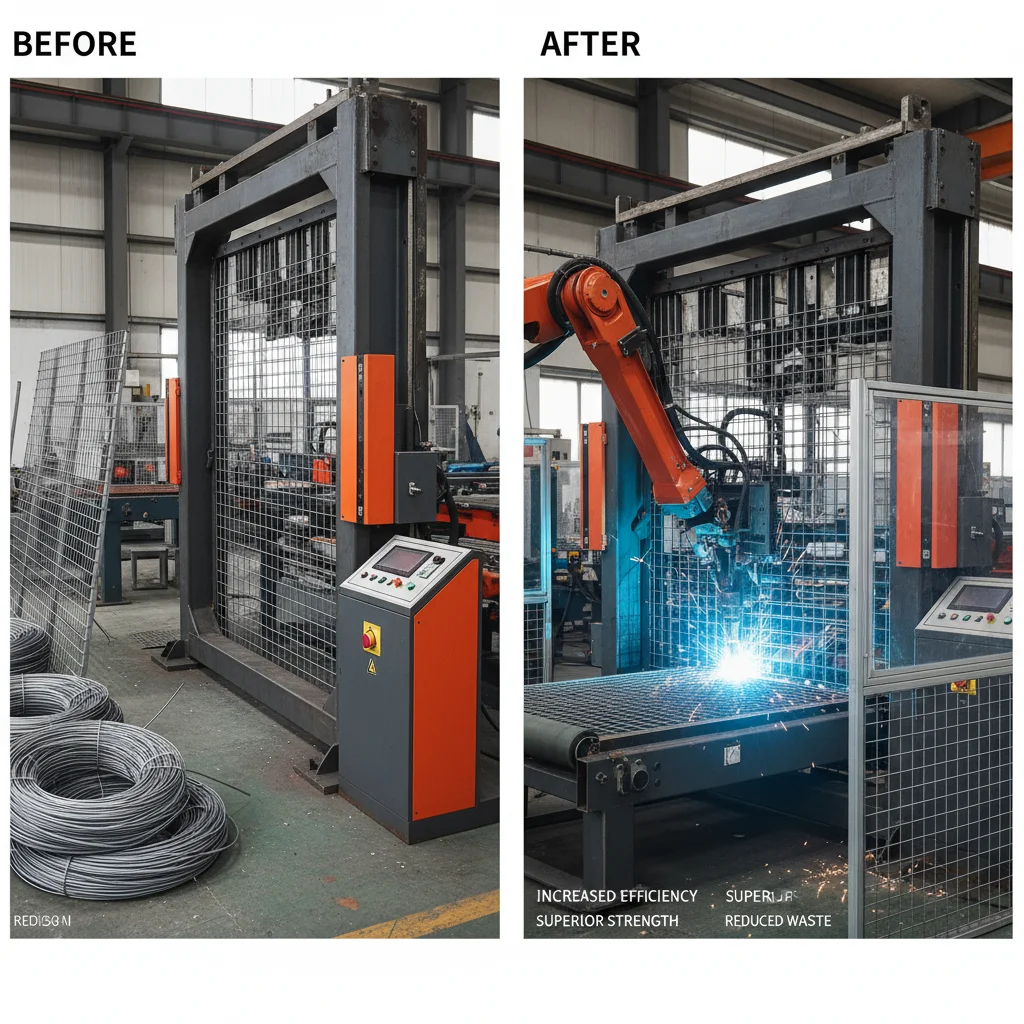
For years, tying rebar has been the default. It's cheap upfront, sure, but the labor costs add up fast, and quality control? Forget about it. You're relying on someone's skill level, and fatigue leads to errors. A mesh welding machine delivers a level of consistency you just can’t get manually. Plus, it's not just about speed. It's about reducing material waste, improving structural integrity, and getting projects done on time and under budget.
We're seeing a huge push for prefabrication in construction right now, and for good reason. Moving work off-site means better quality control, reduced disruption, and faster build times. But prefabrication demands reliable, repeatable joining methods. That’s where these machines truly shine – offering the speed and precision needed to make offsite construction viable on a large scale.
The Core Benefits of Mesh Welding Machines
The biggest benefit, hands down, is speed. A mesh welding machine can weld intersections in seconds that would take a tie crew minutes. But it’s more than just raw speed. The consistency of the weld itself is critical. We’re talking about reducing the risk of structural failure, improving the overall durability of the project, and minimizing costly rework down the line.
And let's be real, finding skilled labor these days is a nightmare. Training tie crews takes time and money, and turnover is high. A welding machine drastically reduces the skill level required for this specific task, freeing up your skilled labor for more complex operations. It's a smart investment in your workforce.
Global Impact and Industry Relevance
This isn’t just a North American trend, either. I’ve seen these machines deployed on large-scale infrastructure projects in Asia and Europe. The global demand for efficient construction methods is increasing, driven by rapid urbanization and a need for more sustainable building practices. Organizations like the ISO are increasingly emphasizing the importance of standardized welding procedures, and mesh welding machines help meet those standards.
The construction industry as a whole is notoriously slow to adopt new technologies, but that’s changing. The pressure to deliver projects faster, cheaper, and with higher quality is forcing companies to look for innovative solutions. And with growing concerns about labor shortages and rising material costs, automated welding is becoming an increasingly attractive option.
We're looking at a real shift in how reinforced concrete structures are built. It's not just about replacing tying with welding; it's about rethinking the entire construction process and leveraging automation to improve efficiency and quality across the board.
Defining Mesh Welding Machines: A Practical Overview
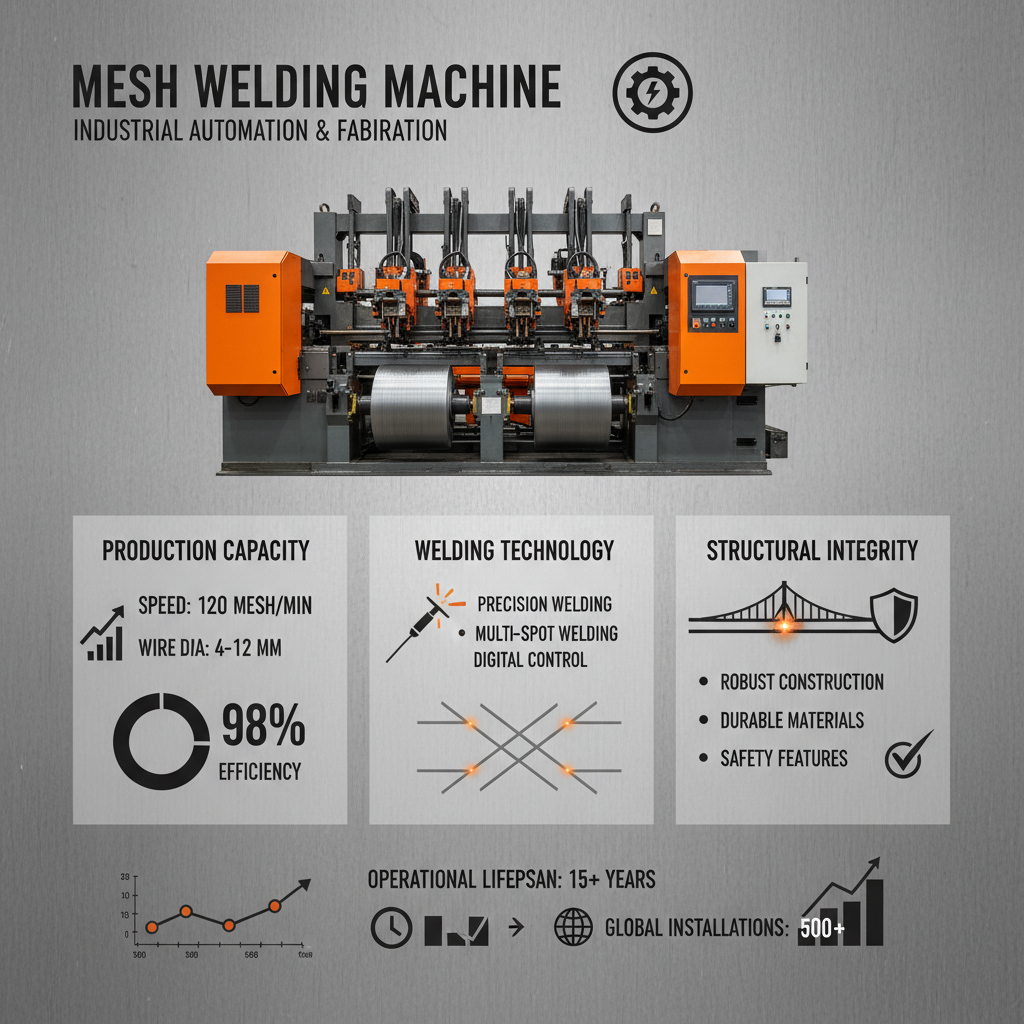
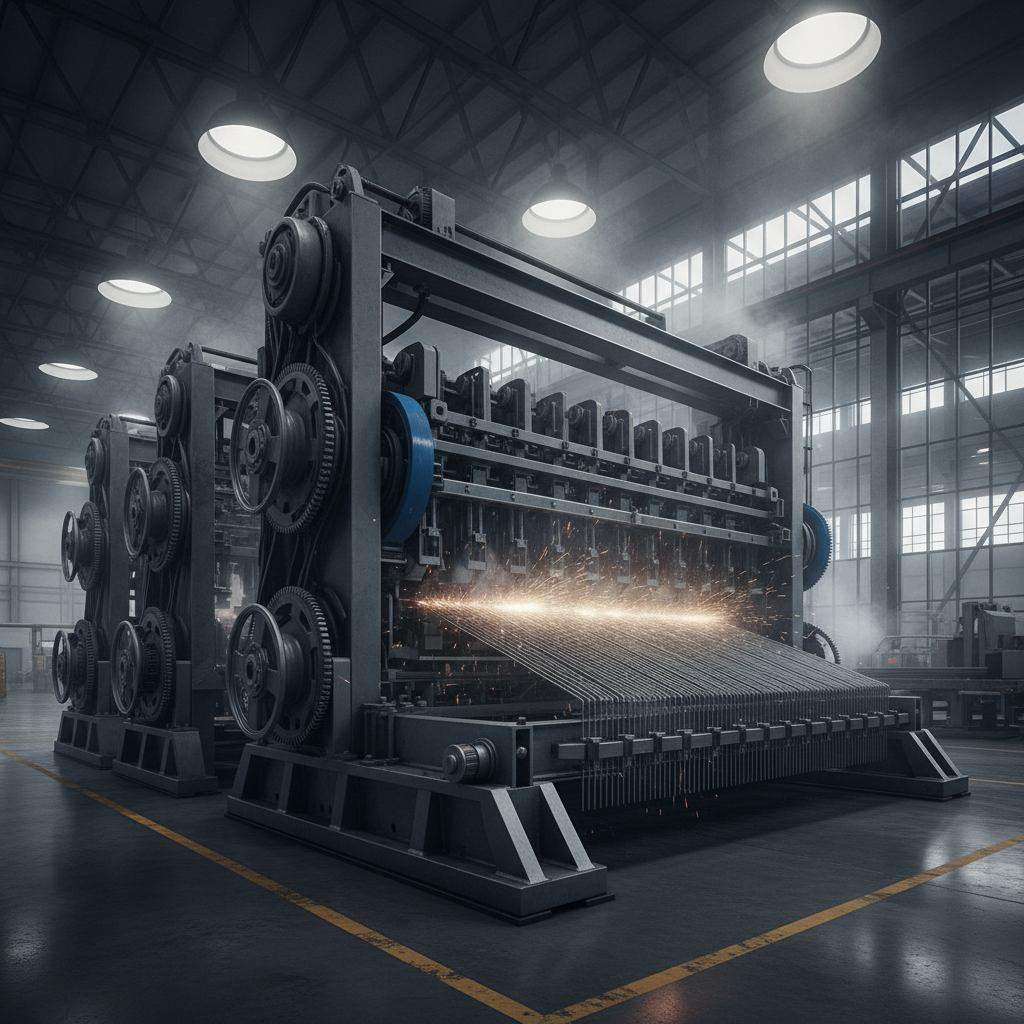
Okay, so what is a mesh welding machine? Essentially, it’s a specialized piece of equipment designed to automatically join intersecting wires of steel mesh using resistance welding. It typically involves a welding head with electrodes that clamp onto the wire intersections and apply heat and pressure to create a strong, permanent bond.
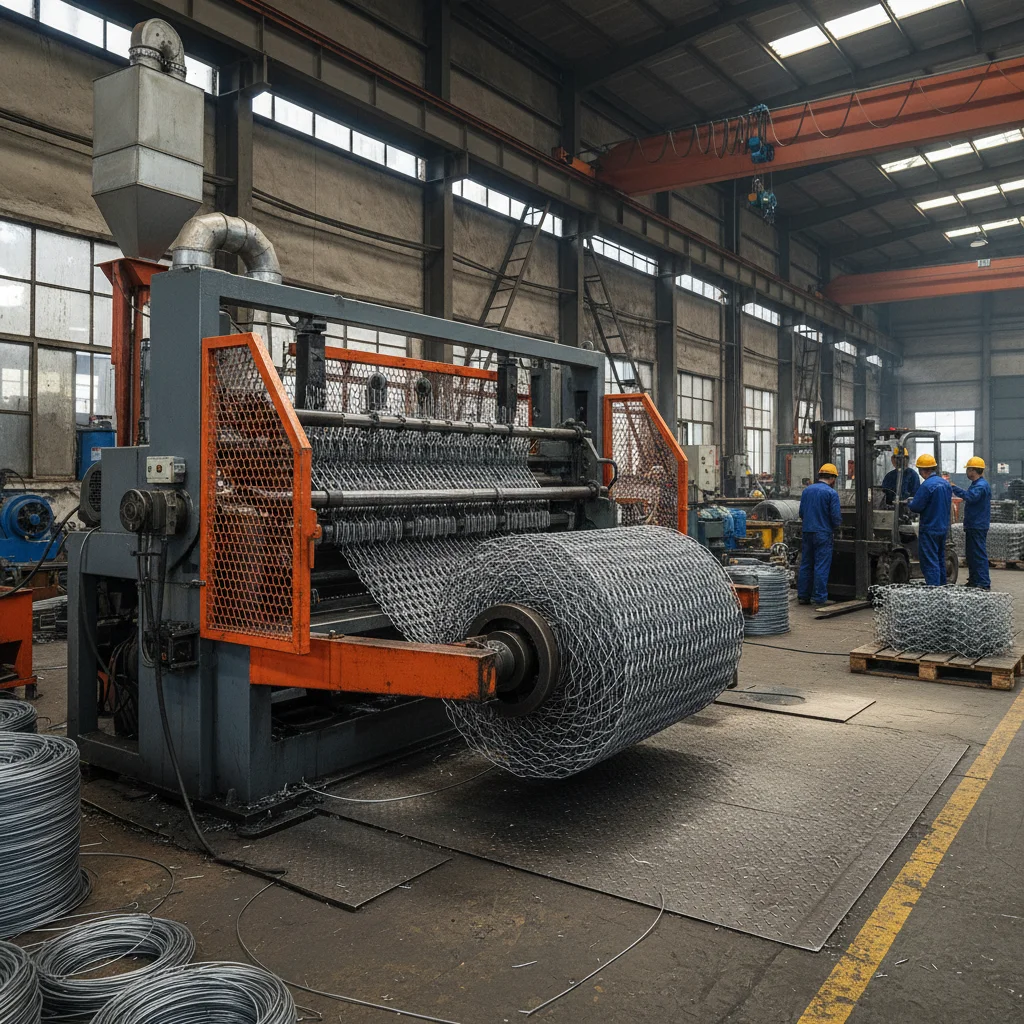
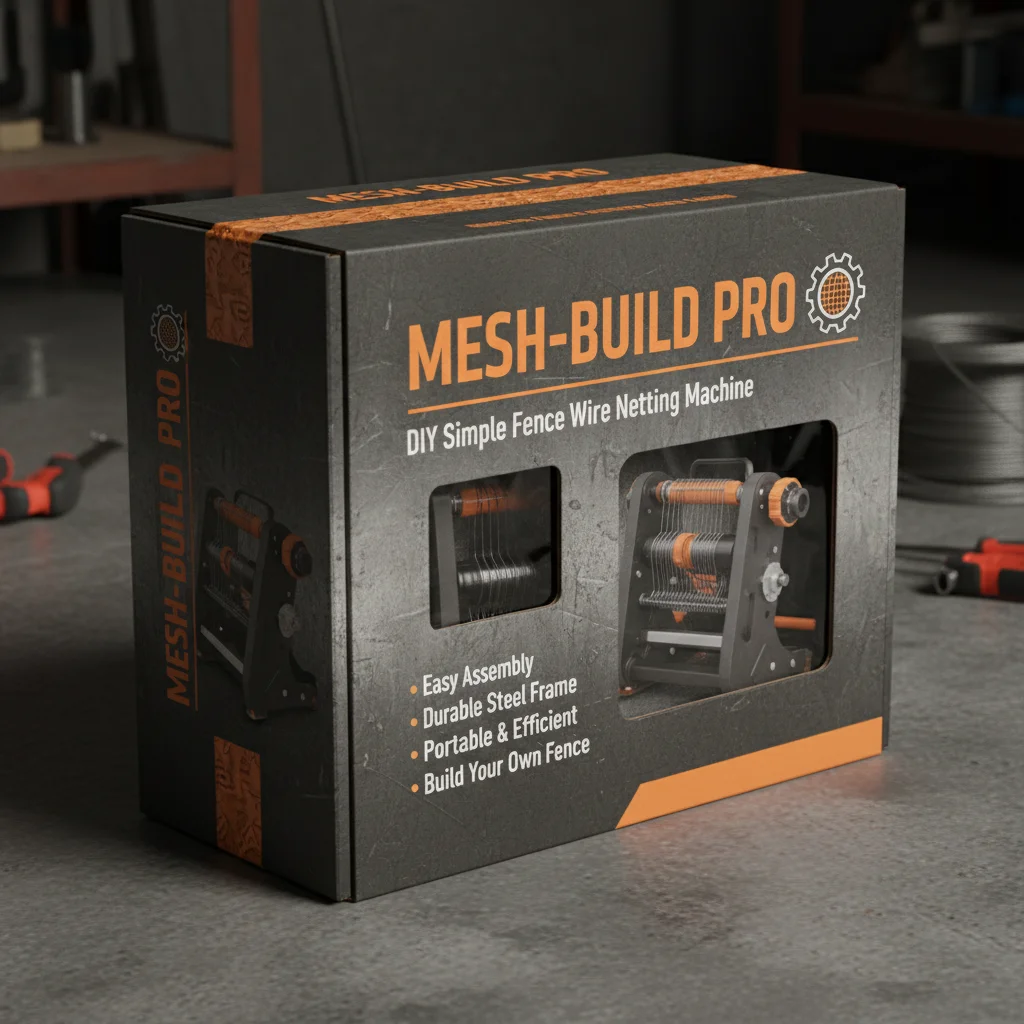
It’s not like traditional arc welding. There’s no filler metal, and the process is much faster and cleaner. The machines range in size and complexity, from portable units for smaller jobs to large, automated systems for high-volume production. The key is understanding the specific requirements of your project and choosing a machine that’s appropriately sized and equipped.
The technology is constantly evolving, with manufacturers developing machines that can handle a wider range of wire diameters, mesh sizes, and weld configurations. This adaptability is crucial, as construction projects vary significantly in their design and specifications.
Key Factors Driving Mesh Welding Machine Adoption
Let's break down what's really making companies invest in this technology. First, there's durability. A welded connection is demonstrably stronger and more resistant to fatigue than a tied connection. Second, scalability – these machines handle large projects with ease, adapting to different mesh configurations and volumes.
Then you’ve got cost efficiency. While the initial investment is higher, the reduction in labor costs, material waste, and rework quickly offsets the upfront expense. Finally, the improvement in safety is a huge driver. Less manual handling of rebar reduces the risk of injuries on the job site.
Mesh Welding Machine Performance Metrics
Real-World Applications and Use Cases
I’ve seen these machines used on everything from highway overpasses to high-rise buildings. They're particularly effective for prefabricating wall panels, floor slabs, and other structural components. In post-disaster relief operations, the speed and efficiency of mesh welding machines can be crucial for quickly constructing temporary shelters and infrastructure.
We also see a lot of use in specialized applications like building security fences, animal enclosures, and even decorative architectural elements. The ability to create precise, aesthetically pleasing welds is a major advantage in these types of projects.
Advantages and Long-Term Value Proposition
Let’s talk about the bottom line. A mesh welding machine isn’t just a capital expenditure; it's an investment in the long-term health of your business. The cost savings from reduced labor, improved material utilization, and minimized rework are significant. And beyond the financial benefits, there’s the intangible value of improved safety, increased productivity, and enhanced quality control.
There's a huge amount of trust you build with clients when you can consistently deliver projects on time and to the highest standards. Investing in technology like this sends a clear message that you’re committed to innovation and quality.
From a sustainability perspective, less material waste directly translates into reduced environmental impact. That's increasingly important for companies looking to demonstrate their commitment to responsible building practices.
Future Trends and Innovations in Mesh Welding Technology
We're already seeing machines that incorporate advanced sensors and control systems to optimize welding parameters and improve weld quality. The integration of AI and machine learning is also on the horizon, allowing machines to learn from data and automatically adjust settings for different materials and applications.
The push for more sustainable construction practices is driving demand for machines that can weld recycled steel mesh with the same level of performance as virgin material. And as battery technology improves, we’re likely to see more portable, cordless welding machines that can be used in remote locations.
Ultimately, the goal is to create machines that are not only faster and more efficient but also more intelligent and adaptable, capable of handling the increasingly complex demands of the modern construction industry.
Summary of Key Challenges and Potential Solutions for Mesh Welding Machine Implementation
| Challenge |
Impact on Project |
Potential Solution |
Implementation Cost (Scale 1-10) |
| Initial Machine Cost |
High upfront investment required. |
Leasing options, phased implementation. |
7 |
| Operator Training |
Requires skilled operators for optimal performance. |
Comprehensive training programs, certification. |
5 |
| Mesh Compatibility |
Machines may have limitations with certain mesh types. |
Choosing versatile machines, adapting mesh specifications. |
6 |
| Maintenance & Repair |
Requires regular maintenance to prevent downtime. |
Preventive maintenance schedules, on-site service contracts. |
4 |
| Integration with Existing Workflow |
Disruptions during implementation and workflow adaptation. |
Careful planning, pilot programs, gradual rollout. |
5 |
| Power Requirements |
Machines can have high power demands. |
Ensure adequate power supply, explore energy-efficient models. |
3 |
FAQS
The biggest cost savings come from reduced labor. You need fewer people to complete the same amount of work, and the welding process is significantly faster. Less rework due to inconsistent ties also contributes to substantial cost reductions. Plus, you’ll see savings on material waste – a properly welded connection uses less material than a tied connection.
While these machines are designed to be user-friendly, proper training is crucial. Operators need to understand the machine's safety features, welding parameters, and quality control procedures. A good training program will cover topics like electrode maintenance, troubleshooting, and basic welding techniques. Expect around 40-80 hours of training for full competency.
Yes, many mesh welding machines are designed to handle a variety of steel mesh types, including galvanized and stainless steel. However, it’s important to select a machine that’s specifically rated for the type of material you’ll be welding. Galvanized steel, for example, can produce fumes that require proper ventilation.
Regular maintenance is key to preventing downtime. This includes cleaning the electrodes, lubricating moving parts, and inspecting the wiring. It’s also important to calibrate the machine periodically to ensure accurate welding parameters. A preventative maintenance schedule should be established and followed diligently.
Absolutely. Operators should always wear appropriate personal protective equipment (PPE), including safety glasses, gloves, and hearing protection. Proper ventilation is essential to remove any fumes generated during the welding process. And it's crucial to follow all safety guidelines provided by the machine manufacturer.
ROI varies depending on project scale, labor costs, and machine utilization. However, most companies see a full return on investment within 12-24 months due to significant savings in labor, materials, and rework. The long-term benefits of improved quality and durability further enhance the ROI.
Conclusion
We've covered a lot of ground, but the bottom line is this: mesh welding machines aren’t just a technological upgrade; they represent a fundamental shift in how we approach reinforced concrete construction. They offer significant advantages in terms of speed, efficiency, quality, and safety, and are poised to become an essential tool for any contractor looking to stay competitive in today’s market.
If you’re serious about improving your construction processes and delivering projects on time and under budget, I highly recommend exploring the possibilities of mesh welding. Don't just take my word for it – do your research, talk to other contractors, and see how this technology can benefit your business. Visit our website at www.htmeshmachines.com to learn more.